

Midland Metropolitan University Hospital is a healthcare facility covering an area of approximately 80,000 square metres with 670 beds in Smeltwick, four miles west of Birmingham city centre. The project was designed by the architectural firms HKS, Cagni Williams, and Sonnemann Toon.
Incidentally, HKS is an international architectural firm specialising in the design of large medical complexes, public buildings, and sports arenas. Among the company’s most famous projects are AT&T Stadium and SoFi Stadium. Read more about the long-running construction project in Birmingham at birmingham-future.com.
Construction of the hospital was scheduled to begin in 2016, but work effectively ground to a halt after the main contractor, Carillion, went into administration in 2018. By 2019, Balfour Beatty had taken over the completion of the project. The hospital finally opened as late as October 2024.
The launch of an ambitious project
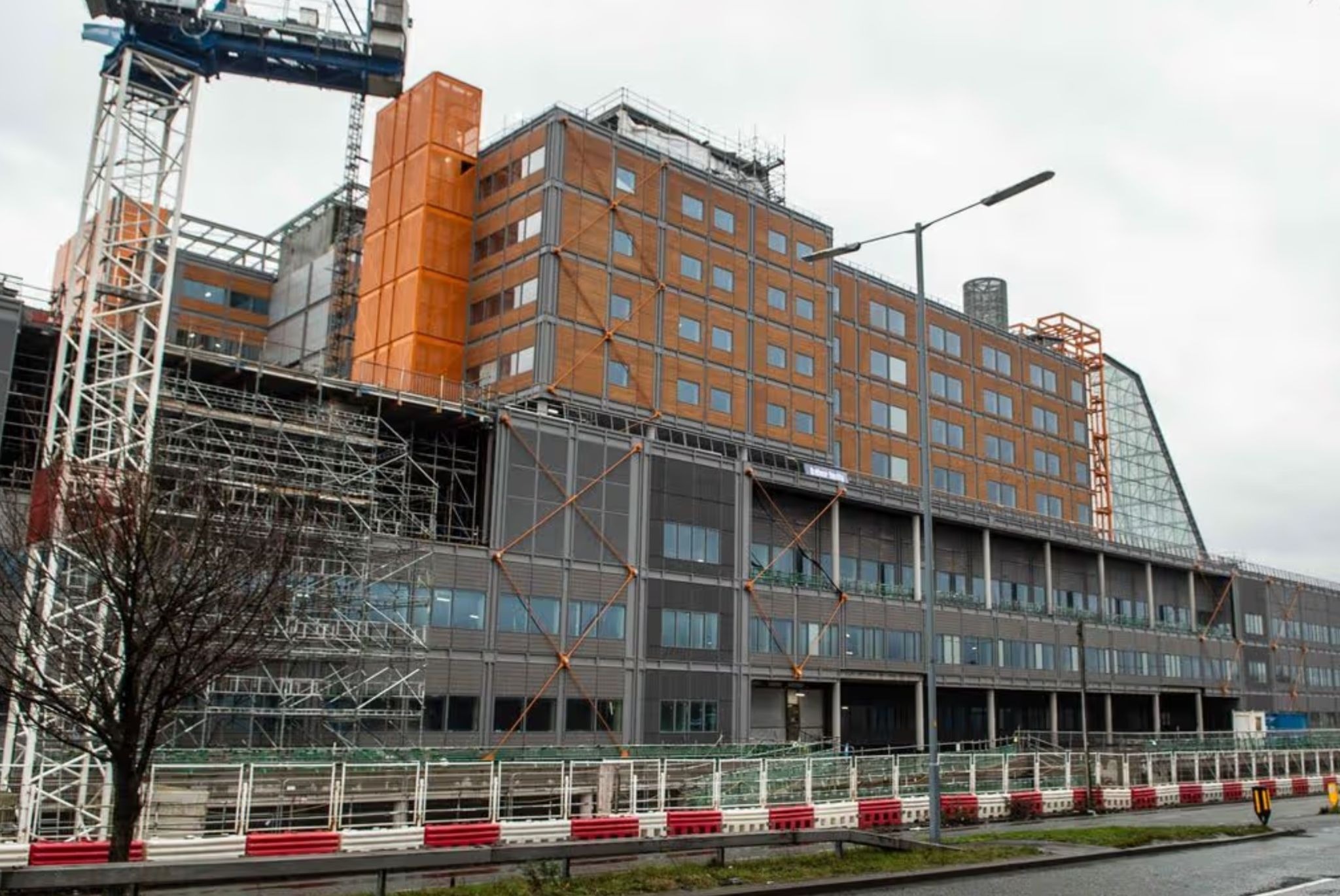
In the 2010s, residents of Sandwell and West Birmingham were increasingly faced with overcrowded hospitals, particularly in A&E and intensive care units. It was then that the idea arose to create a large, modern healthcare complex that would bring key hospital services together in one place.
In January 2011, Sandwell & West Birmingham Hospitals NHS Trust was granted permission to purchase an industrial site on Grove Lane in Smitwick, formerly owned by GKN. It was there that plans were made to build a new hospital.
The original project envisaged approximately 670 beds, state-of-the-art operating theatres, a large emergency department, and an expansion of medical services for nearly 600,000 residents of the region.
The design was entrusted to a team of architects comprising HKS, Cagni Williams & Sonnemann Toon, who were selected due to their experience in working on large-scale healthcare facilities. The architects sought to create not only a functional hospital but also a space with plenty of natural light and areas for patients and staff to relax.
One of the project’s key features is the Winter Garden—an indoor communal space for visitors, staff, and patients.
Construction began in January 2016. The main contractor was Carillion under the British PF2 public-private partnership model. The hospital was scheduled to open in 2019, but the optimistic timetable began to unravel rather quickly.
Midland Metropolitan Hospital subsequently became one of the most notorious examples of the problems associated with the British model of private infrastructure financing, known as PFI/PF2.
For decades, UK governments have used similar schemes to build hospitals, schools, and roads, transferring some of the risks to private companies. At the same time, critics have repeatedly warned that this model makes public projects dependent on the financial stability of large contractors.
The collapse of Carillion and the suspension of the project
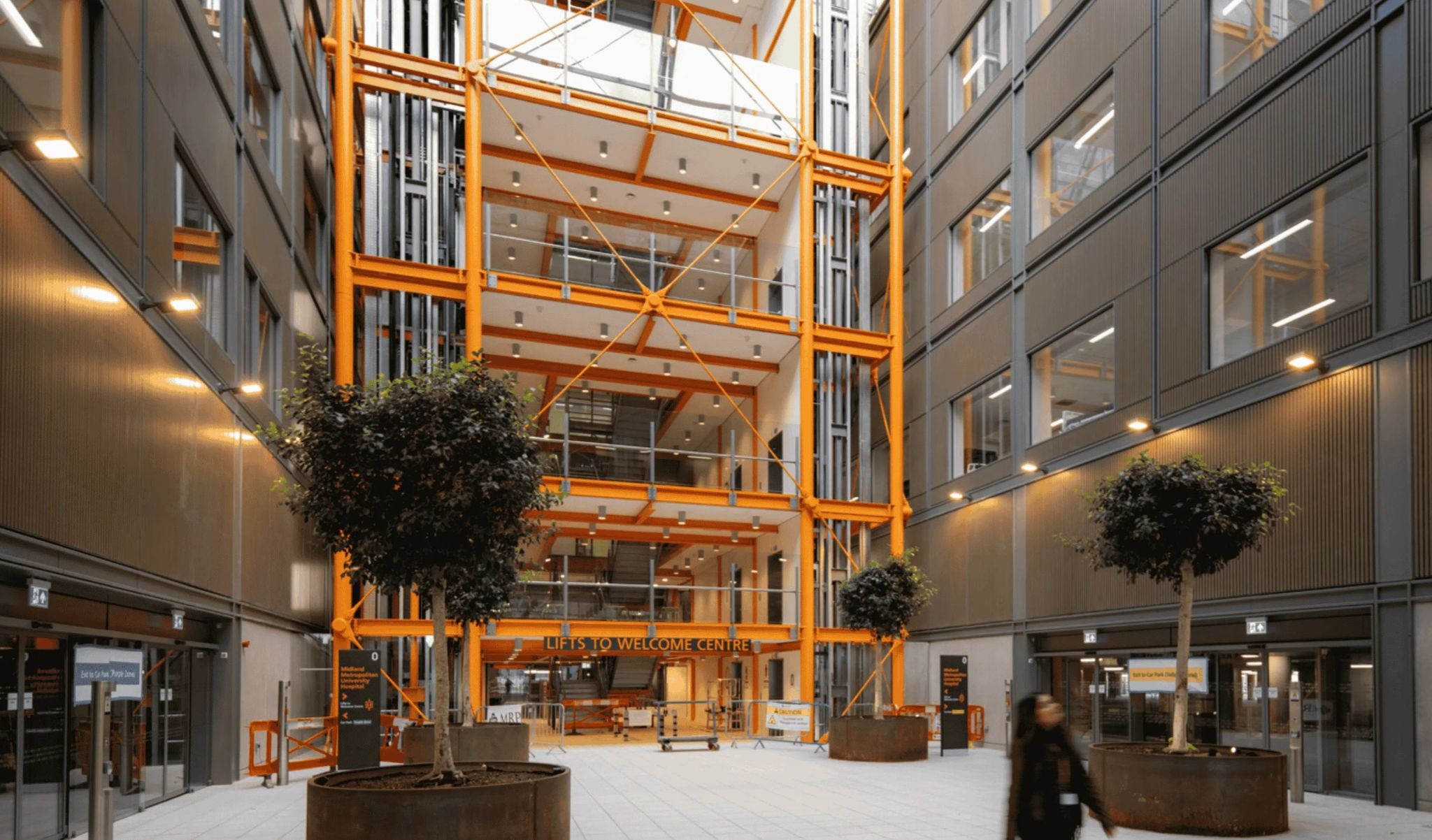
In January 2018, Carillion—one of the UK’s largest construction contractors—officially went into administration and was wound up. The reasons for its collapse were problematic contracts, low profitability, and the company’s huge debts.
Midland Metropolitan Hospital became one of the most high-profile projects to be affected by Carillion’s collapse. Construction effectively ground to a halt, leaving the NHS Trust facing a difficult dilemma: how to complete this critically important healthcare facility without a main contractor.
Following the collapse of Carillion, the original PF2 funding model effectively ceased to function. As a result, the UK government was forced to intervene and bring the project under state control.
Following lengthy negotiations in December 2019, Balfour Beatty was awarded a contract worth £267 million to complete the hospital. The new contractor was tasked with completing the façade work, the internal engineering systems and the full technical fit-out of the complex.
Despite this positive news, the problems did not end there. The project was already significantly behind schedule, and costs continued to rise.
The COVID-19 pandemic and new safety requirements
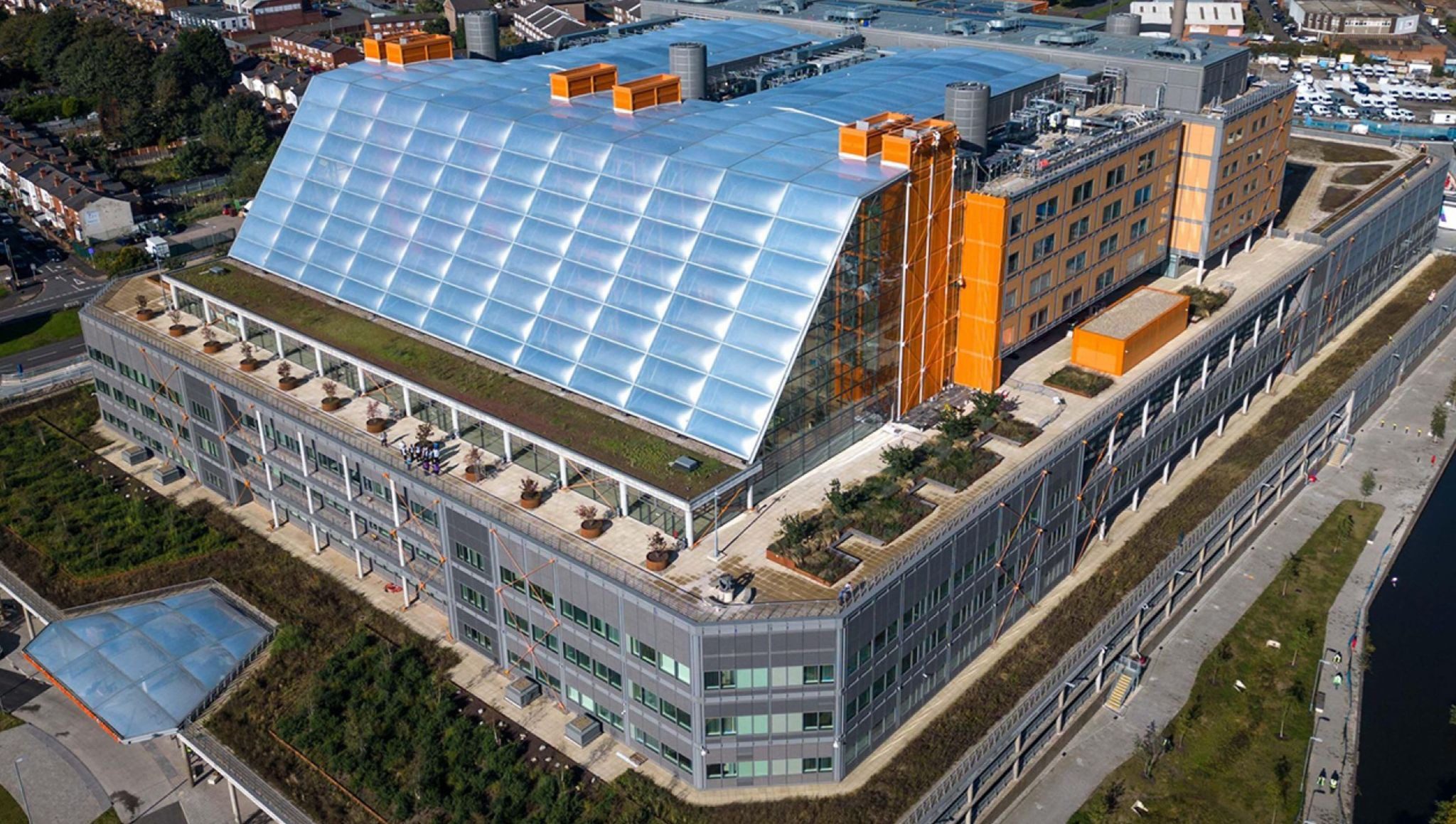
The situation was further complicated by the COVID-19 pandemic, which led to material shortages, logistical disruptions and a shortage of labour . At the same time, fire safety requirements in the UK were tightened following the Grenfell Tower fire tragedy in 2017. As a result, some of the solutions already designed for façades and external structures had to be re-examined and adapted to the new standards.
Despite all the difficulties, construction continued. Balfour Beatty actively recruited local workers and utilised modern construction techniques to speed up the work.
On 6 October 2024, Midland Metropolitan University Hospital officially opened its doors to patients. By that point, the project was running nearly six years behind schedule.
In its final configuration, the hospital now has 736 beds, a fully-fledged A&E department, state-of-the-art operating theatres, diagnostic centres and teaching and research facilities. The opening of the hospital was a key part of the modernisation of the NHS system in the West Midlands and was intended to ease the pressure on other healthcare facilities in Birmingham.
Key issues in construction

The main challenges in the construction of the facility were planning and procurement. The project, aimed at merging the services of the city hospital and Sandwell Hospital, was carried out at a rapid pace, and planning permission was granted in September 2015.
Carillion began construction work in early 2016. However, the project encountered significant delays and cost overruns, which ultimately became one of the factors that led to the contractor’s liquidation in January 2018.
As a result, right in the heart of Smitwick, in the West Midlands region near Birmingham, stands a building that has come to symbolise both the ambitions and the problems of modern British infrastructure policy. I am referring to the Midland Metropolitan University Hospital.
This large-scale healthcare project was intended to significantly modernise the healthcare system in a densely populated region where the medical infrastructure is under considerable strain. However, the journey from the initial plans to the hospital’s opening proved to be far more complicated than anticipated.
A mixed result
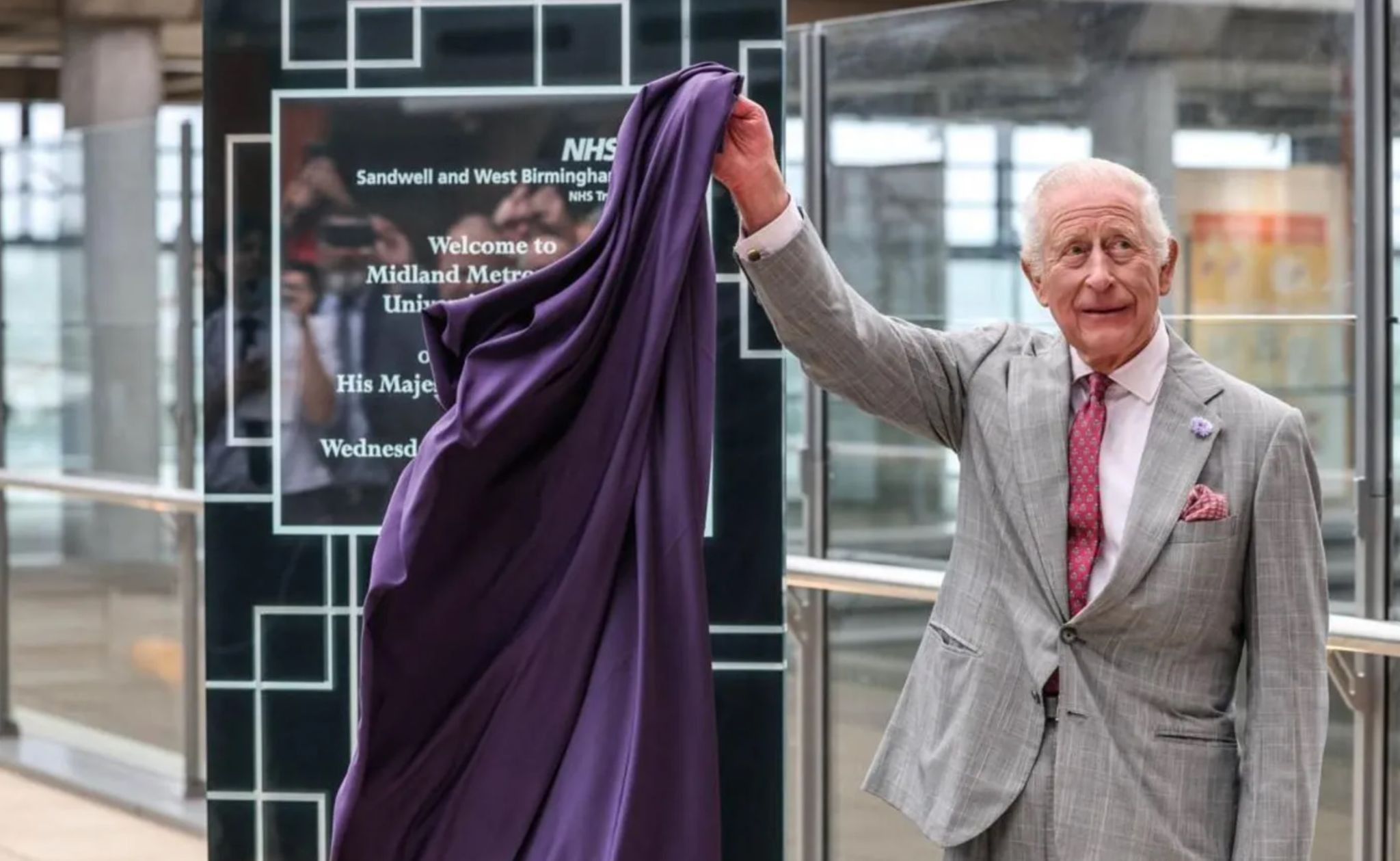
Be that as it may, the opening of Midland Metropolitan University Hospital has become part of a wider modernisation of the NHS system in the West Midlands. The new complex is intended to help ease the pressure on Birmingham’s older hospitals and speed up access to emergency care for hundreds of thousands of people in the region.
Indeed, Midland Metropolitan University Hospital is now regarded as one of the most modern medical complexes in the region. At the same time, the history of its construction has become a prime example of just how complex major infrastructure projects can be, even in developed countries.
The project highlighted the weaknesses of the private financing system for public infrastructure, the reliance on major contractors, and the vulnerability of construction projects to global crises—ranging from bankruptcies to pandemics. Despite this, the opening of the hospital demonstrated that, even after years of delays and financial difficulties, critically important healthcare projects can be completed.
Sources:
- https://www.theconstructionindex.co.uk/news/view/deal-finally-signed-to-complete-midland-met-hospital
- https://www.itv.com/news/central/2024–08–22/long-delayed-midland-metropolitan-hospital-to-finally-open-on-this-date
- https://www.theconstructionindex.co.uk/news/view/carillion-hospital-is-finally-completed
- https://www.theconstructionindex.co.uk/news/view/midland-met-hospital-given-2024-opening-date
- https://constructionmanagement.co.uk/balfour-completes-super-hospital-hit-by-carillion-collapse/