

In Birmingham, people have recently been giving serious thought to the city’s energy future. Alternative energy has long since ceased to be just a buzzword in presentations and has gradually become part of the city’s infrastructure—without any unnecessary fanfare, but with very tangible results.
Solar panels on the roofs of council estates are now taken for granted, just like rain on a Tuesday, whilst in new developments such as Longbridge, smart grids are being rolled out, distributing electricity between homes without any unnecessary fanfare, but with a thoroughly practical result. Even the traditional British fondness for gas is gradually giving way to new-generation heating systems. And the project at Tyseley Energy Park, where municipal waste is elegantly converted into electricity, demonstrates quite clearly that what was considered rubbish yesterday can today easily power a kettle, a laptop, and half the neighbourhood.
On the website birmingham-future.com, we’ll tell you more about these initiatives in detail—without any unnecessary fanfare, but with the understanding that the city’s new energy landscape is made up precisely of such, at first glance, everyday things.
Solar energy: when roofs finally found a use
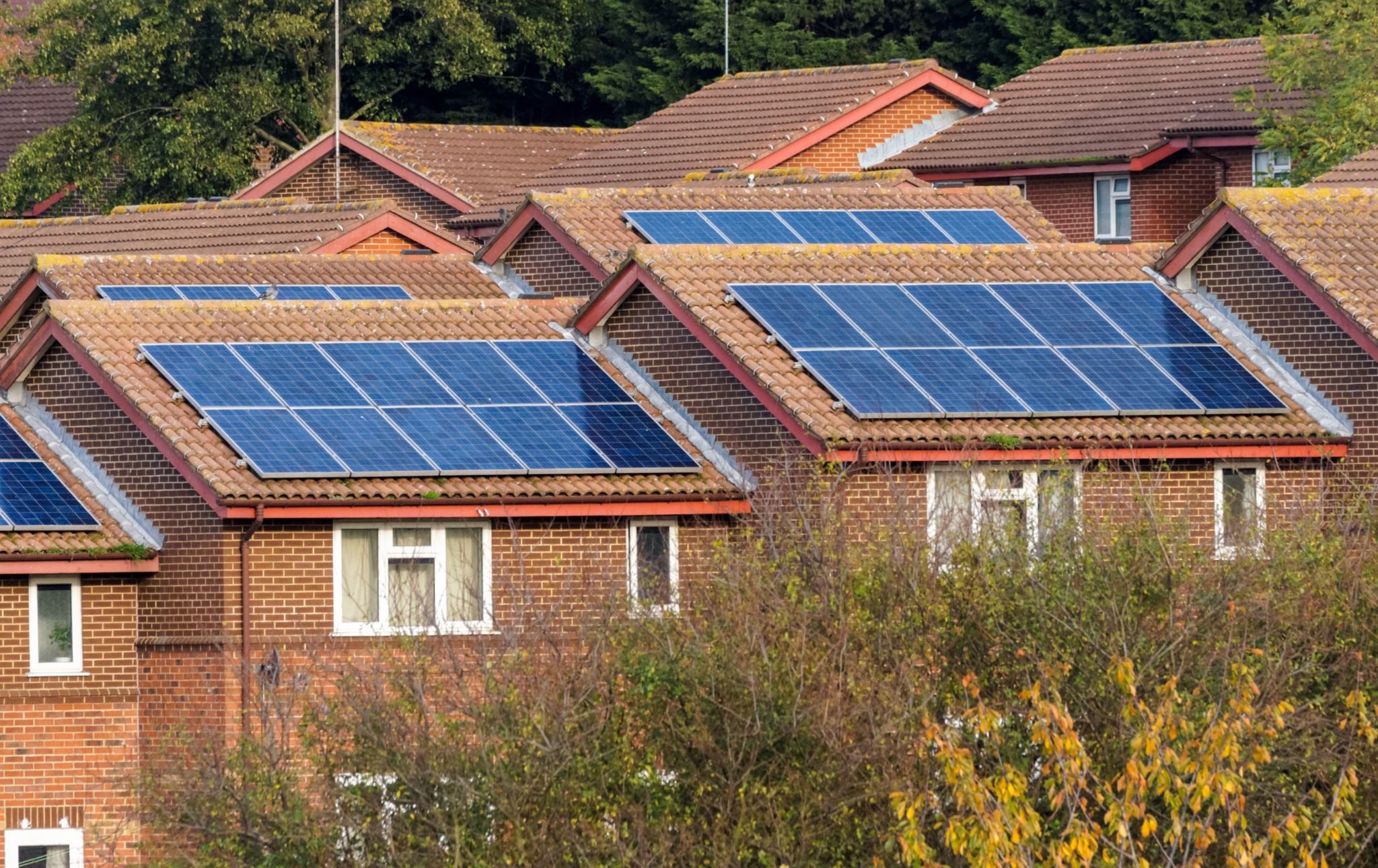
In Birmingham, solar energy has long since ceased to be something of an ‘environmental initiative for pretty reports’ that nobody usually reads. Here, they take a pragmatic approach: it’s simply a way to get city rooftops to finally work, rather than just collecting English rain melancholically for years on end.
The city is promoting solar panels as part of its Net Zero strategy and is doing so with an enviable determination. These are no longer isolated experiments ‘for the select few’ but an attempt to embed energy generation into the very DNA of the city’s infrastructure—from brand-new neighbourhoods to municipal buildings that remember a very different energy era indeed.
A unique form of local sport is the Switch Together initiative. This is where neighbours get together to buy solar panels and batteries in bulk. Essentially, it’s a kind of ‘collective intelligence’ that enables an ordinary household not to have to sell a kidney to switch to clean energy, but to get everything for a perfectly reasonable price.
An important point is that the panels are now paired with smart batteries. This allows you not just to watch the energy being generated during the day (when you’re not at home), but to store energy for the evening. That’s exactly when you switch everything on and start taking a keen interest in your electricity bills.
By the way, speaking of bills. In a city where the term ‘fuel poverty’ is not just a theory from a textbook but a harsh reality for many, solar panels on social housing have become a real lifeline. This is one of those rare instances where high technology helps not only the planet but also the household budget of an ordinary family, who no longer have to choose between a hot dinner and a running heater.
As a result, solar solutions in Birmingham are gradually shifting from being a ‘novelty for enthusiasts’ to becoming ‘standard infrastructure.’ And this is perhaps the most positive development of all—when technology ceases to be the subject of lengthy speeches and becomes a normal part of everyday life.
Energy from waste: when rubbish suddenly decided to become useful
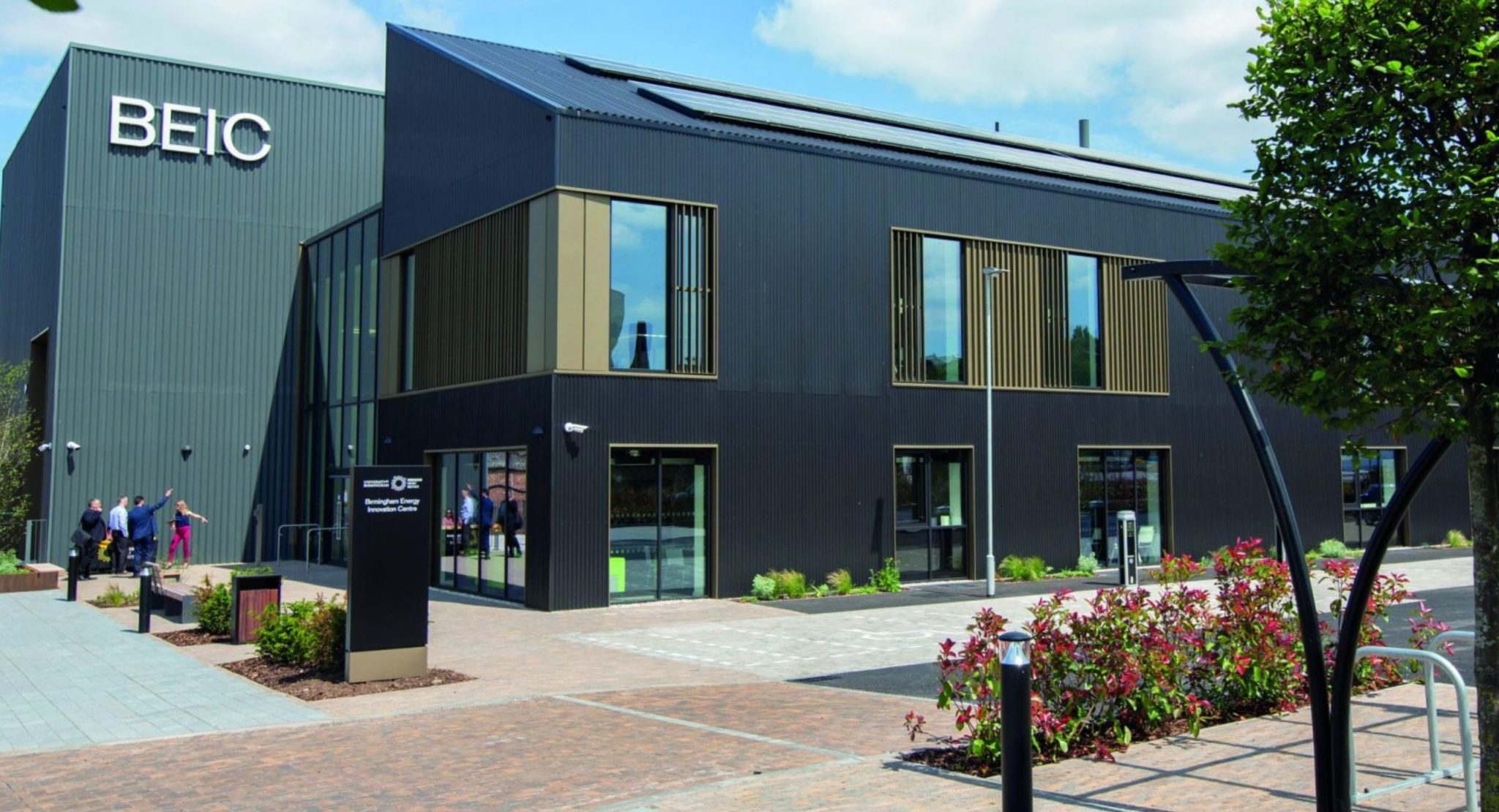
In Birmingham, they decided not to argue about waste but simply to come to an agreement. The logic is sound: if the city is constantly throwing things away anyway, why not put this endless stream of rubbish to work for the common good?
One of the key components of this system is the Tyseley Energy Park. Here, municipal and industrial waste is transformed from a ‘problem to be disposed of’ into a source of electricity. This primarily involves biomass and wood waste—in other words, old furniture that has reached the end of its useful life is not simply left to rot in a landfill, but is turned into fuel.
The capacity of such installations is no longer just a figure of speech—we’re talking about tens of megawatts actually feeding into the city grid. It’s that lovely moment when someone’s broken chair or old cupboard suddenly helps bring your morning kettle to the boil.
In essence, this is an attempt to close the loop: what was a headache for waste management just yesterday is now becoming part of the energy balance. And yes, it sounds entirely logical, almost without any grandiose eco-slogans—just common sense turned into technology.
It is important to note that this model does not function as an isolated ‘green’ project for photo shoots but as part of a broader decarbonisation strategy. Rubbish isn’t romanticised here (it’s still rubbish, let’s be honest), but it’s no longer ignored. It’s being turned into a resource that can be clearly measured in kilowatts.
For a city the size of Birmingham, this is not just a nice bonus, but a way to relieve the strain on both the traditional power grid and the overflowing rubbish dumps. Two chronic ‘ailments’ of the big city are being treated with a single technical solution—without any unnecessary drama, but with a very noticeable effect on utility bills.
As a result, energy from waste is no longer a novelty in Birmingham. It is simply another viable source of energy, operating alongside solar and wind power, gradually consigning the old ‘dump and forget’ mentality to the past.
Heating networks: when heating ceases to be a personal problem
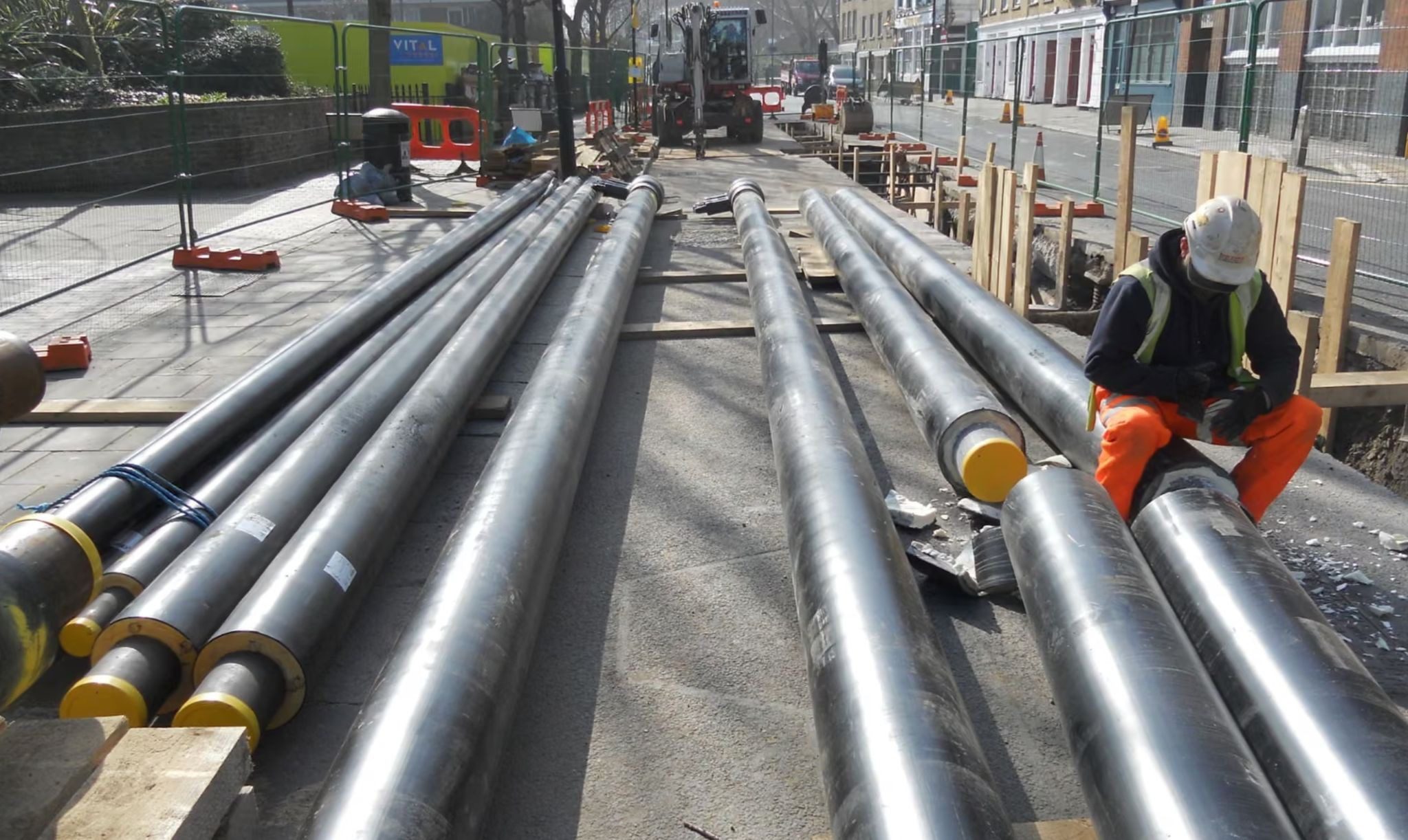
In Birmingham, heating has long ceased to be a purely private matter of ‘every man for himself.’ The city is gradually moving towards district heating networks—systems where heat is generated centrally and distributed among buildings, rather than being produced individually in each flat or house.
We are talking about so-called district heating systems—networks that enable entire neighbourhoods to be connected to one or more heat sources. These can be modern boiler houses, high-capacity heat pumps, or installations that utilise renewable energy sources. The idea is simple: instead of hundreds of small and not always efficient systems, there is one large system that can be controlled and optimised.
For a city like Birmingham, this is not a theoretical concept but a thoroughly pragmatic solution. Firstly, it reduces dependence on gas—the very fuel that has been the cornerstone of domestic comfort in Britain for decades. Secondly, it allows for more efficient use of energy, reducing the losses that inevitably occur in fragmented heating systems.
There is another point, less obvious but important: district heating networks provide the city with flexibility. In such a system, it is possible to gradually connect new heat sources, integrate renewable energy, or even reuse surplus heat from industrial processes.
In terms of housing, the picture is less romantic but more tangible. More reliable heating, fewer heat losses, and potentially lower costs for residents. This is particularly true at a time when energy bills have long ceased to be a mere formality and have become a separate item in the household budget.
There aren’t many energy sources
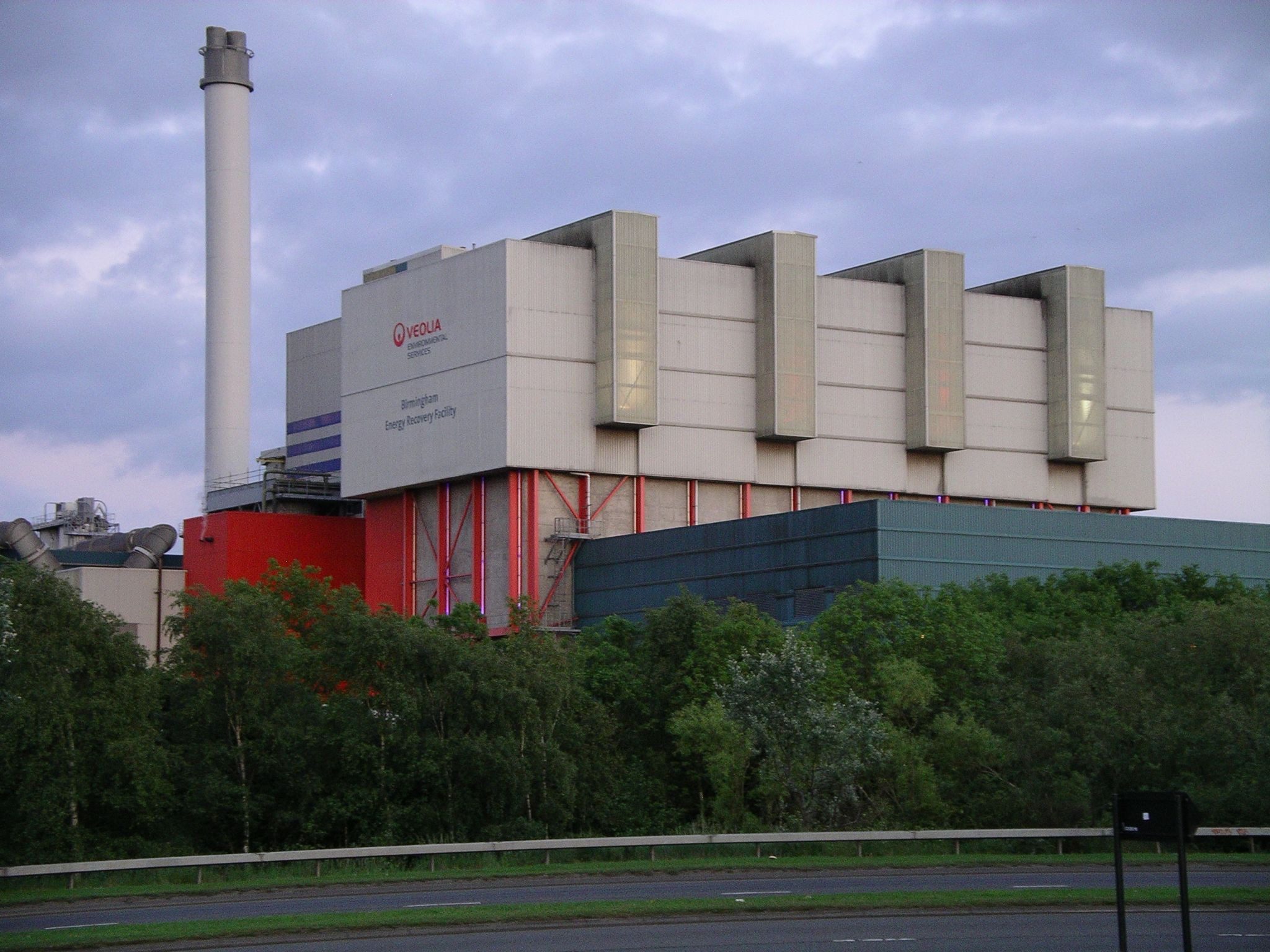
Ultimately, Birmingham’s district heating networks are not about cutting-edge technology or flashy innovative presentations. They are about something quite down-to-earth: how to heat a large city more efficiently, more cheaply, and with as little reliance as possible on a single resource.
Birmingham isn’t relying on a single, universal energy source and, it seems, isn’t even trying to find a ‘magic bullet’ for the future of energy. Instead, the city is piecing together a puzzle of different solutions. Solar panels, energy from waste, district heating networks, and other infrastructure systems are all up and running here.
Each of them addresses its own part of the challenge, and together they form a more flexible and sustainable model. This is not about an overnight revolution, but about a gradual shift in the city’s approach towards a less dependent and more balanced energy system.
Sources:
- https://www.birmingham.gov.uk/news/article/1597/retrofit_project_that_has_made_council_homes_warmer_and_has_saved_tenants_money_wins_award
- https://www.birmingham.veolia.co.uk/facilities/energy-recovery
- https://www.investwestmidlands.com/set-up-in-west-midlands/why-the-west-midlands/innovation/innovation-centres/tyseley-energy-park/