

Birmingham in the second half of the 19th century grew at such a pace that it seemed as though it were trying to outrun itself. Industry drew people into the city by the thousands; new neighbourhoods sprang up on former fields faster than a single pub could open there, and the distances between home and workplace became unacceptably long. The city was sprawling outwards, but getting around it was just as inconvenient as it had been several centuries ago.
Horse-drawn omnibuses—essentially wooden ‘carriages’ on wheels—remained the primary means of transport. Their operation depended on the condition of the roads, the weather, and the stamina of the horses, and they were simply unable to cope with the increasing passenger numbers. For a city undergoing rapid industrialisation, this was simply not enough.
Birmingham needed something faster, more widespread, and more reliable. It was this need that gave rise to the idea of the horse-drawn tram—a story that is explored in more detail on birmingham-future.com.
We are laying the tracks
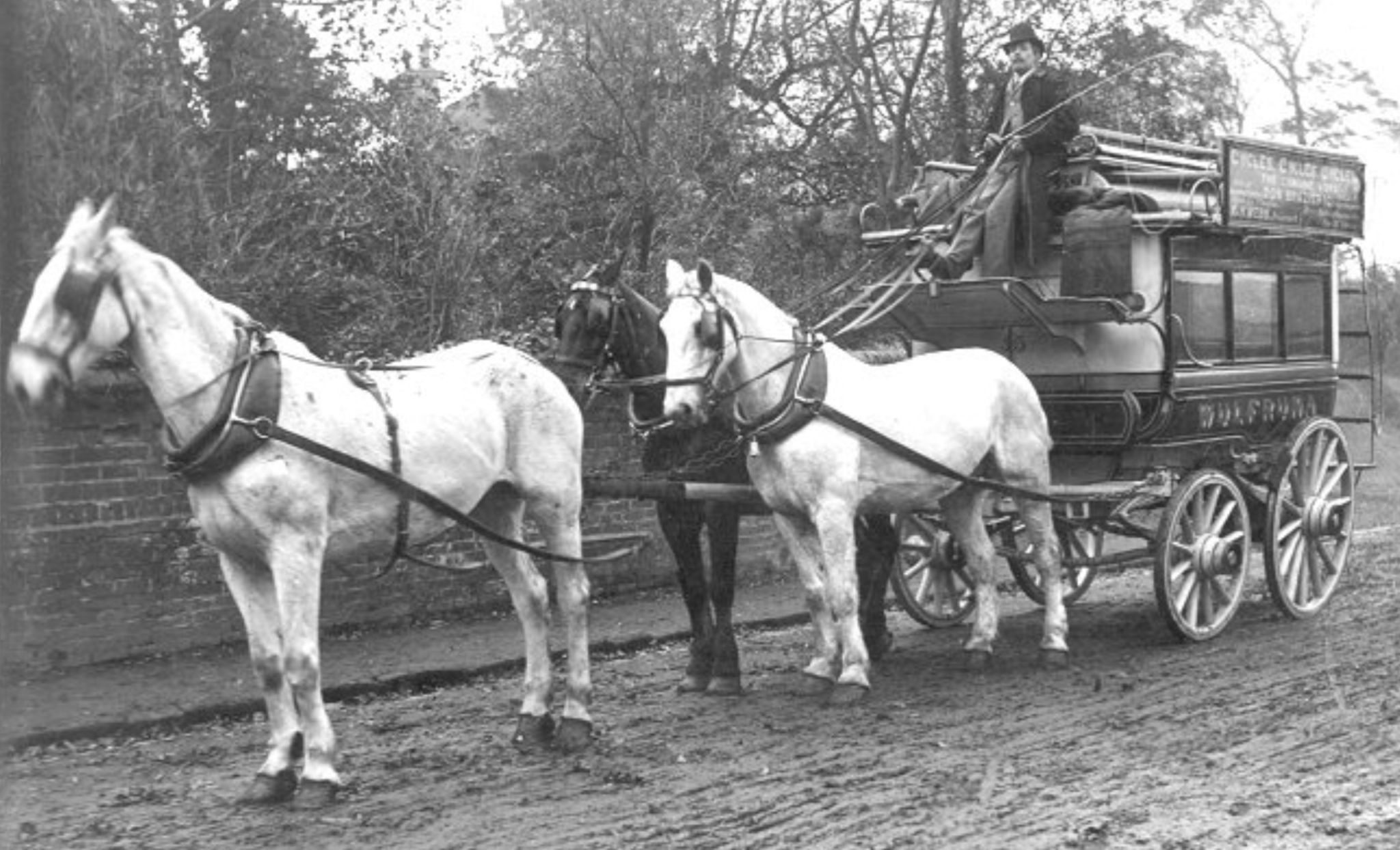
The idea of using horses to pull passenger carriages along rails was not Birmingham’s invention—it originated much earlier and, interestingly, not in urban transport. As early as the late 18th and early 19th centuries, such systems were actively used in industry: in mines and factories, horses pulled trolleys along metal rails, transporting coal and ore. It was there that it first became obvious that rails radically reduce rolling resistance.
The idea was simple, yet ingenious. A wheel rolling along a smooth metal surface requires far less effort than the same wheel on a dirt or cobbled road. A single horse could pull a carriage on rails carrying a load several times greater than that of a standard stagecoach. This meant more passengers, a smoother ride, and less strain on the animals.
In an urban environment, this offered clear advantages. The horse-drawn tram followed a fixed route, was not so heavily dependent on road conditions, and could operate to a more or less regular timetable.
It is no surprise that this idea quickly spread from the industrial sector to the major cities. The first horse-drawn trams appeared in the US as early as the 1830s, and the technology eventually reached Europe. For Britain, which was at the height of the Industrial Revolution, this seemed like a logical step.
In Birmingham, where transport problems were becoming increasingly acute, the introduction of a horse-drawn tram was only a matter of time. As early as the early 1870s, the city began to implement this system, effectively adopting a tried-and-tested model and adapting it to the specific circumstances of a rapidly growing industrial centre.
Tackling passenger chaos in Birmingham
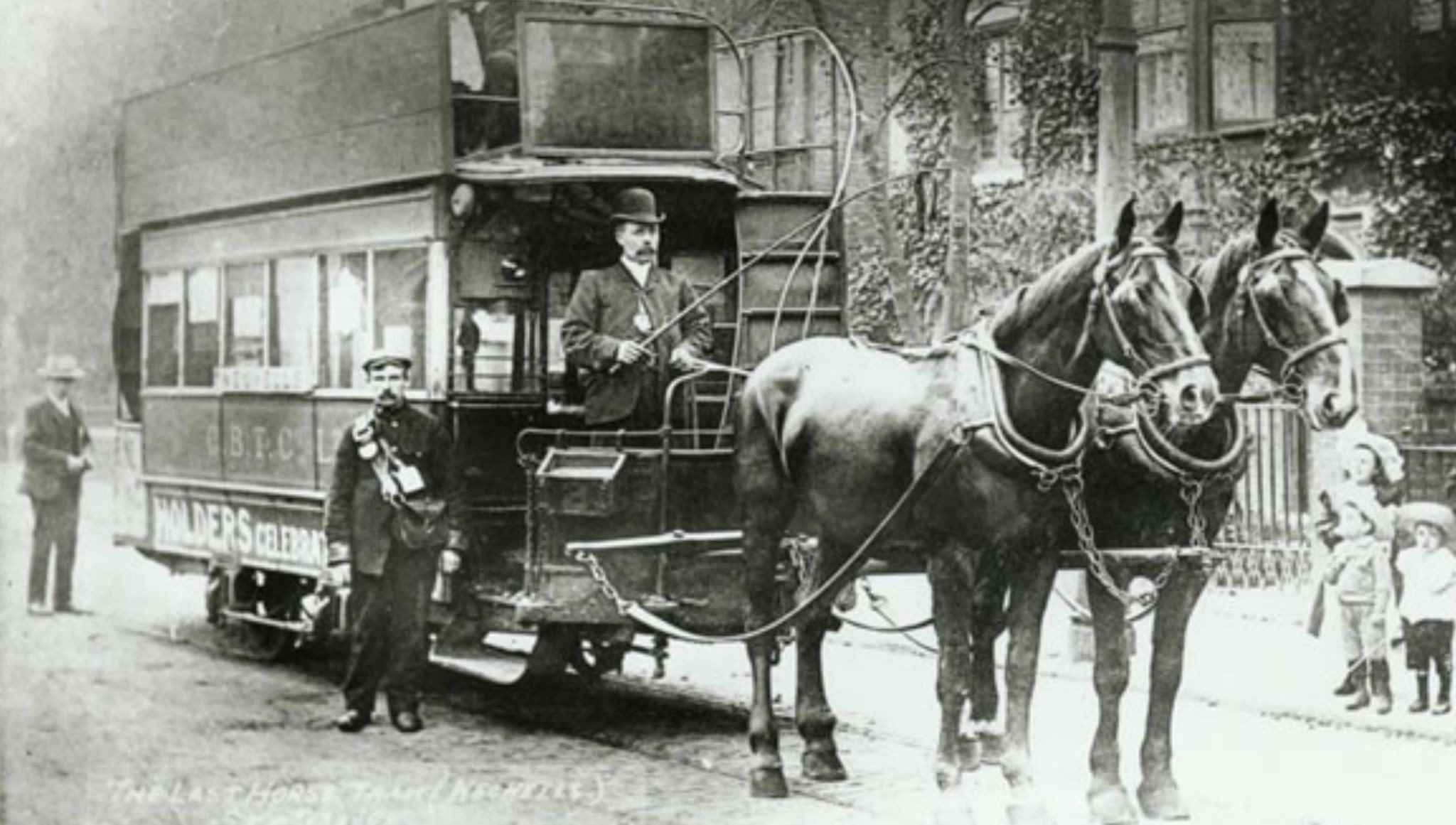
And so, in 1872, railway tracks made their way into the city’s history. The horse-drawn tram was no cosmic breakthrough in terms of speed (the horse, unfortunately, remained the same), but it brought something new to the chaos of Birmingham’s streets—a smooth ride and the ability to carry even whole crowds, which previously simply wouldn’t fit into any carriage.
Of course, the concept of ‘comfort’ back then was a bit different. If you had a spare penny, you could travel inside, watching the city go by through the window. If not—welcome to the ‘imperial,’ i.e. the roof. There, beneath the brisk Birmingham rain, second-class passengers had a unique opportunity to study the city’s architecture while trying not to be blown off the bench at the next bend.
Horses played a special role in this system. Working on the tracks, despite all its ‘efficiency,’ remained exhausting, so a single animal was used for only a few hours a day, after which it was replaced. In this sense, the tram was not merely a means of transport, but a well-organised system in which even the traction resource had its limits.
What’s more, in Birmingham, the horse-drawn tram developed from the very beginning according to a model that could only have been devised in Britain. The city took on the heaviest part of the work—building the infrastructure. The authorities laid the tracks and effectively created the framework of the future system, but they had no right to operate it—the law at the time restricted the involvement of local authorities in transport services.
The result was a rather odd arrangement. The tracks belonged to the city, whilst the carriages belonged to private companies. The lines were leased out, and this ‘compromise’ soon became a source of constant problems.
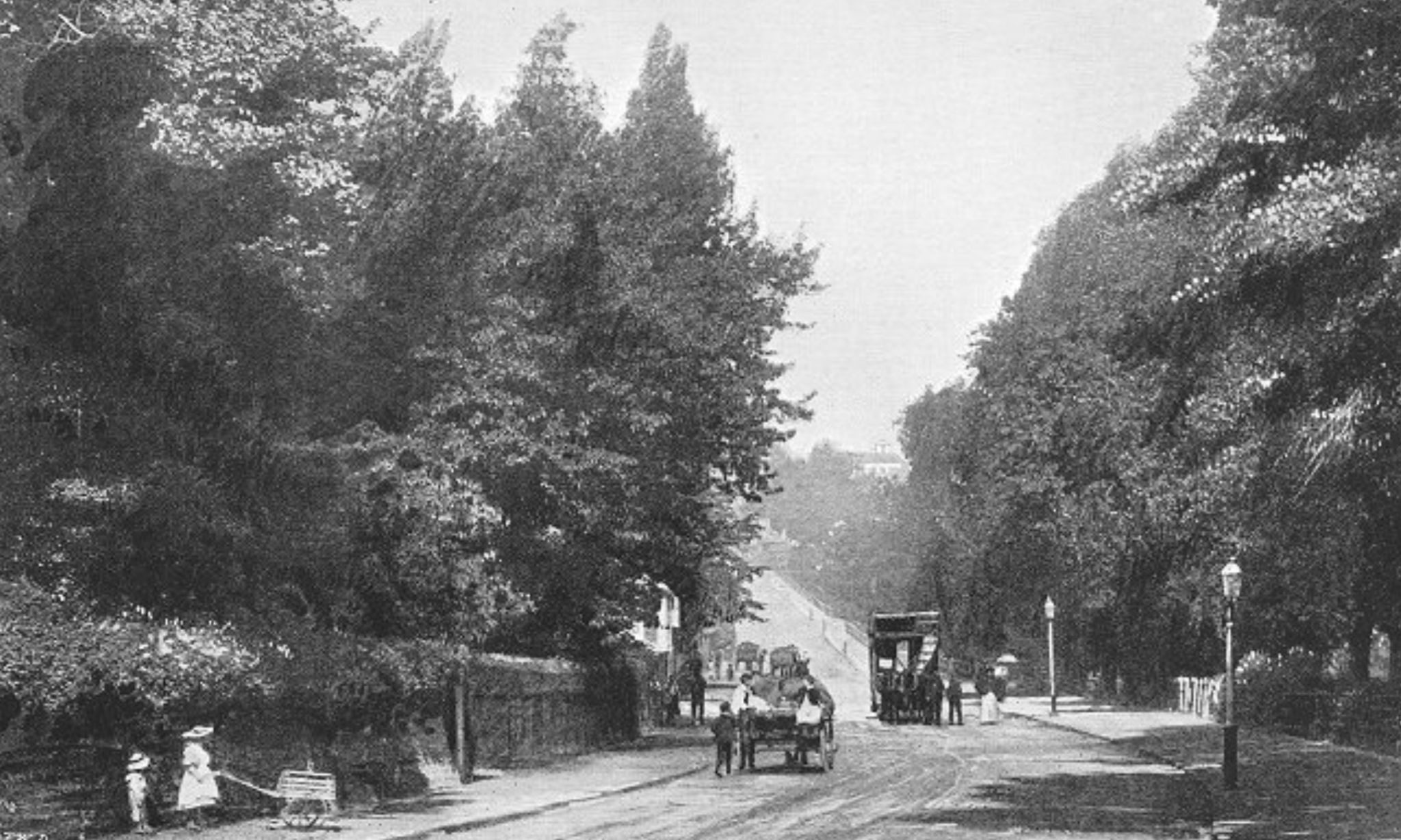
In practice, this meant a lack of uniform standards. Passengers could never be sure what exactly would pull up at the stop: a new, well-maintained carriage or a creaking wreck. Timetables were more like guidelines, and the quality of service depended on the individual operator.
Add to that the endless resales. Companies appeared, merged and disappeared so quickly that residents barely had time to remember their names. The system seemed to be working, but it was more like a patchwork quilt, where each patch operated by its own rules.
It was precisely this chaos that eventually led Birmingham to a simple, yet at the time almost revolutionary, idea: if transport is to function as a single system, it must be managed by the very people who create it.
Mission accomplished!
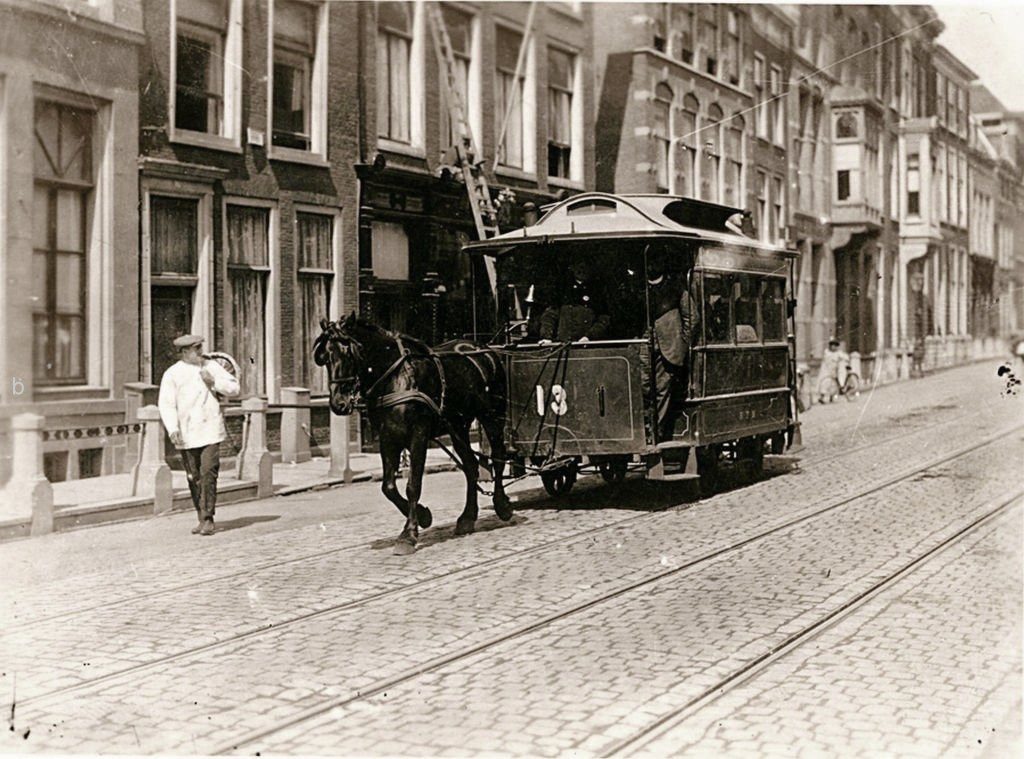
Despite all its shortcomings, which became apparent almost immediately, the horse-drawn tram in Birmingham fulfilled its mission—and did so quite convincingly. For the first time, it truly ‘stitched’ the city together with rails. Working-class neighbourhoods gained a reliable link to the city centre, and the journey to work ceased to be a haphazard adventure. For thousands of people, this meant not just convenience, but a change in their daily routine.
Distances did not disappear, but they ceased to be a critical obstacle. Birmingham was able to continue growing, having realised that people could not only be settled but also transported en masse. It was then that the rules were established without which it is difficult to imagine a modern city: fixed routes, stops and timetables (which, admittedly, were not always adhered to).
Of course, there were plenty of curious incidents, which only served to highlight the harshness of the era. Second-class passengers who, in order to save money, travelled on the roof—the so-called ‘imperial’—regularly made the headlines in the city newspapers. During sudden downpours, drivers would sometimes simply refuse to stop at ‘unauthorized’ spots, and respectable gentlemen would arrive in the city centre soaked to the skin. And on one occasion, on the route to Handsworth, the carriage was so overloaded with people wanting to ride ‘on top’ that the tram simply wouldn’t move, they say, until the passengers got off and began pushing it together, helping the horses.
Ultimately, this transitional phase proved the main point: mass transport works, even if its implementation sometimes seems rather absurd. It was precisely this experience that enabled Birmingham to take the next step—towards steam engines and later towards electricity.
Konka has completed her mission. Konka may
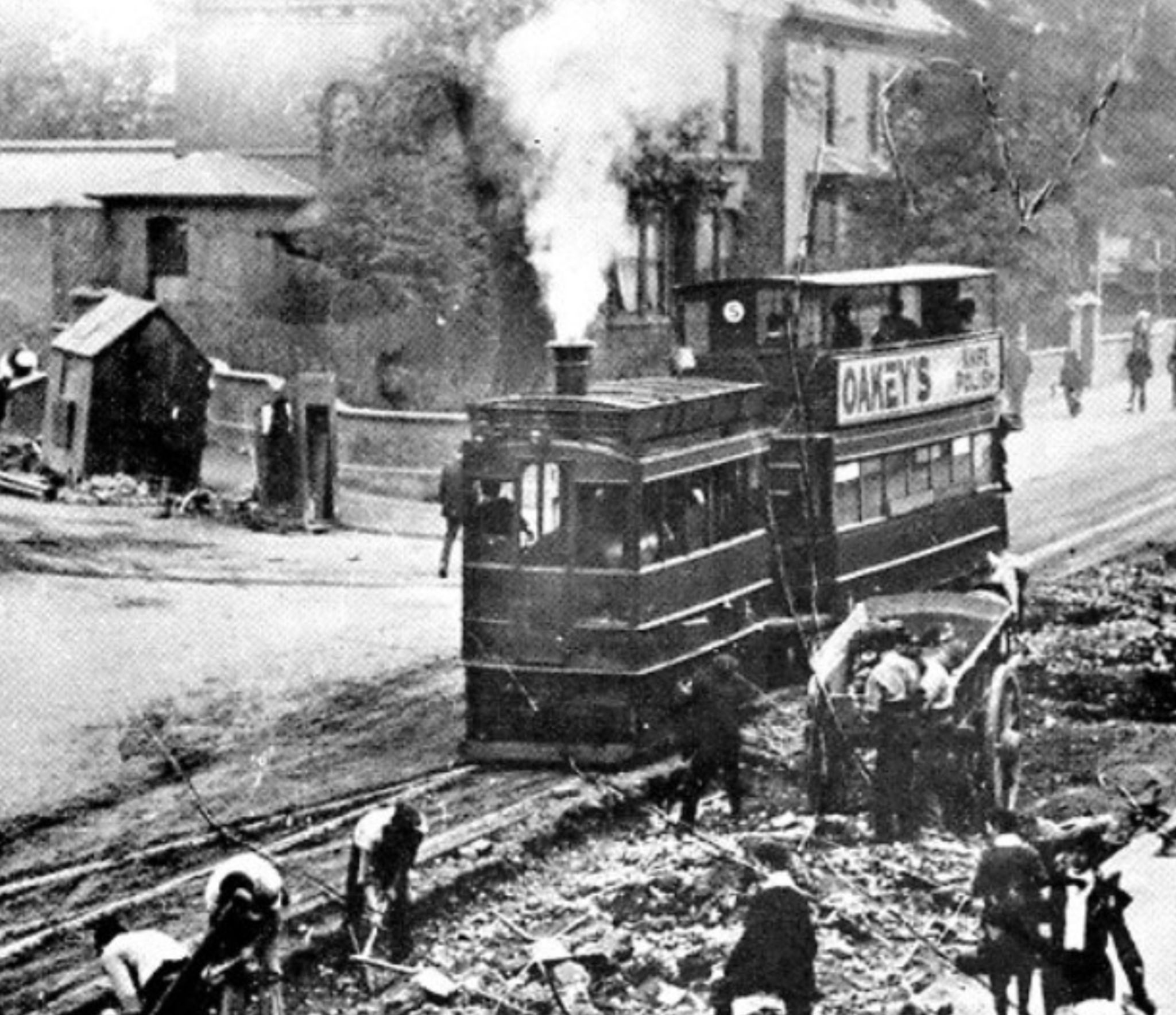
As the city began to grow even faster, horse-drawn transport was no longer sufficient. Birmingham’s narrow streets were becoming increasingly congested, and trams were getting stuck in the city’s new traffic jams with ever-greater frequency. The first attempt to ‘outrun time’ came in the form of steam trams—a sort of noisy ‘boiler on wheels.’ They were powerful, but the noise, smoke coming through the windows, and constant technical problems quickly revealed their limitations.
A real breakthrough came with the advent of electricity in the early 20th century. The new system gave the city a steady pace and a cleaner environment, transforming the scattered lines into a single transport network where movement no longer depended on horses or steam but on electric power.
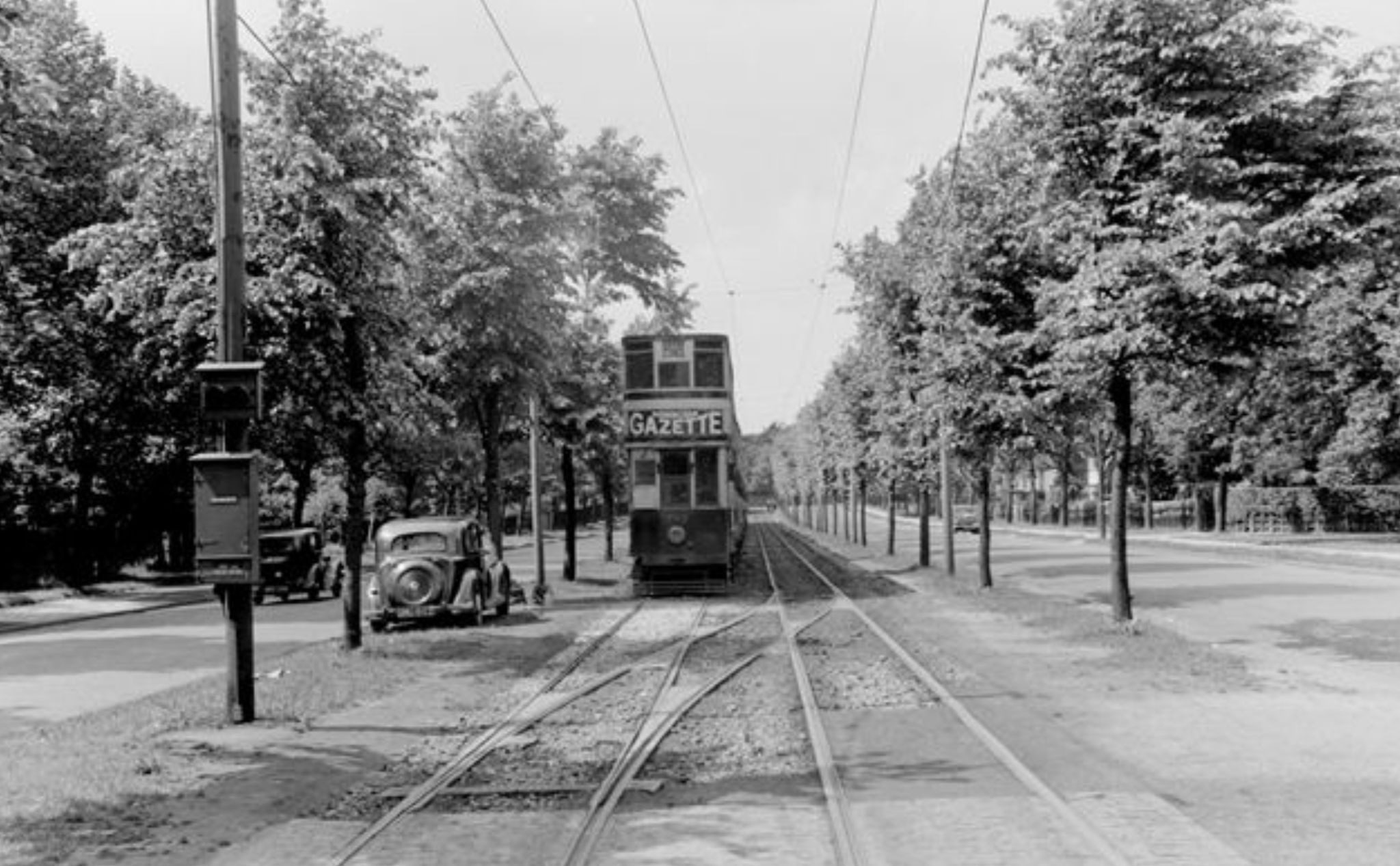
But despite all this progress, the good old Birmingham horse-drawn tram proved surprisingly resilient. The last horse-drawn tram remained on the city’s streets until as late as 1906, gradually giving way to cables, electricity, and the city’s new rhythm.
Sources: