

Birmingham Cathedral is the city’s Anglican cathedral. It was formerly St Peter’s Church, which was built for the rapidly developing Birmingham in 1715. The church became a cathedral when a new diocese was formed in 1905. The most significant treasures are the stunning set of stained-glass windows created by the Birmingham-based emerging artist Edward Burne-Jones. In addition, the cathedral has a long tradition of musical excellence, with regular evensongs taking place every day during the school term. For more information about Birmingham Cathedral, visit birmingham-future.com.
History of Birmingham Cathedral
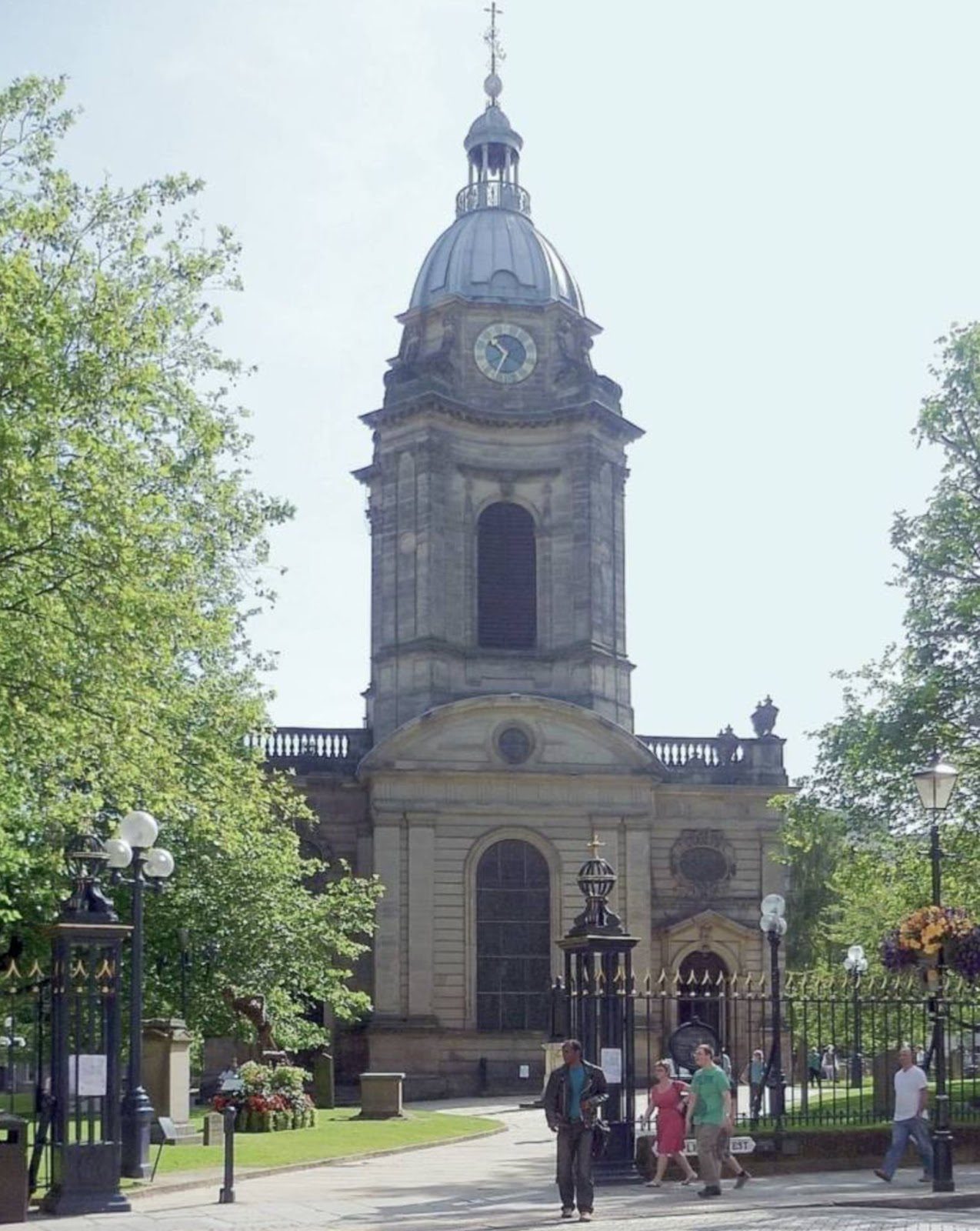
The appearance of St Philip’s Church in Birmingham is closely linked to the city’s industrial development. In 1660, the population of Birmingham was over 6,000 people. But less than fifty years later, at the beginning of the 18th century, the number of Birmingham residents almost tripled. By the early 1700s, Birmingham was already home to more than 15,000 people.
This rapid growth of the city meant that not only were there certain problems with housing, food, water, etc., but also that the existing parish church of St Martin’s was no longer able to accommodate all the faithful. That is why, based on the overall population growth in the city, it was decided to build another church. Elizabeth Phillips donated the land on which the new parish church was built. It is logical that in gratitude for the land grant to the Phillips family, the new building was named St. Peter’s Church.
In early October 1715, the new church was consecrated. The church building is a rare and magnificent example of elegant English Baroque architecture. It includes a dome, volutes, giant pilasters, oval windows, rusticated stonework, and a balustrade with decorative urns.
The church was designed by architect Thomas Archer from the West Midlands. From the very beginning, it was no ordinary parish church. It is an exceptional, early, and exquisite Baroque design by the only English architect who knew the Italy of Bernini and Borromini. Construction of the church began in 1711. It was built in a mixed Italianate style and was and still is a great admiration of architects.
Its pedestal line, high pilasters, beautiful balustrade, well-proportioned tower and dome make a remarkable positive effect. It was built of local brick, faced with local limestone, which later needed to be re-faced. By the way, the construction of the church’s tower was finally completed only in 1725. Nowadays, the church, which managed to turn into Birmingham Cathedral, is located in the Colmore Row area.
The subtleties of the interior
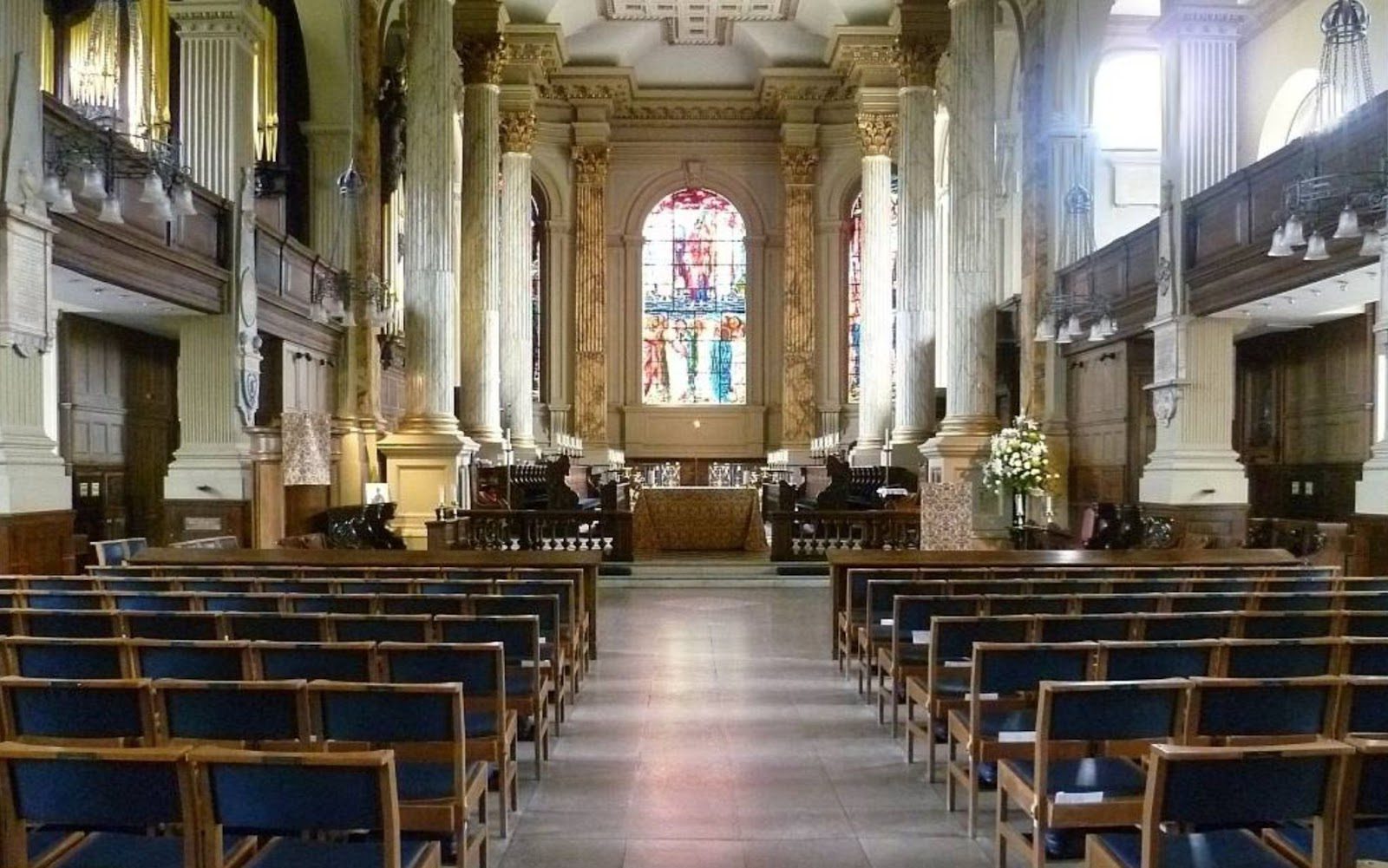
It is known that in 1851, the Birmingham Illustrated magazine described the interior of the church, then still a church, as seating 1,800 people. As for the decoration, it was reported to be exquisite and very beautiful. High arches support the roof, there are two side galleries and one end gallery, which are well lit and comfortably furnished with pews, as is the rest of the church.
Since then, two global changes have taken place – the end gallery, i.e. the western gallery, and the general pews have been replaced with seats. While the replacement of pews is common in churches, the removal of the gallery under the tower was part of the plan and took place in 1883-84. This change made the western end of the church more spacious and helped balance the opening of the altar area, making it even more impressive.
This last innovation was the main one, when the shallow apse gave way to an improved altar area and sanctuary dominated by classical columns and an elaborate coffered ceiling with gilded floral details. At this time, vestries were also added on both sides of the altar area. The result is very effective and is highly regarded as a rare example of English Baroque, rich but without excess.
It may seem a shame that, thanks to the columns in the apse, all three of the east windows are not visible from the nave. But, as it turned out, this has certain advantages. The fact is that the initial darkening of the side windows creates a fascinating theological effect for the faithful who approach the High Altar to receive Communion. The Christian faith is revealed to them as they approach, before they face the Last Judgement, and as they turn and look towards the tower at the west end.
Other additions
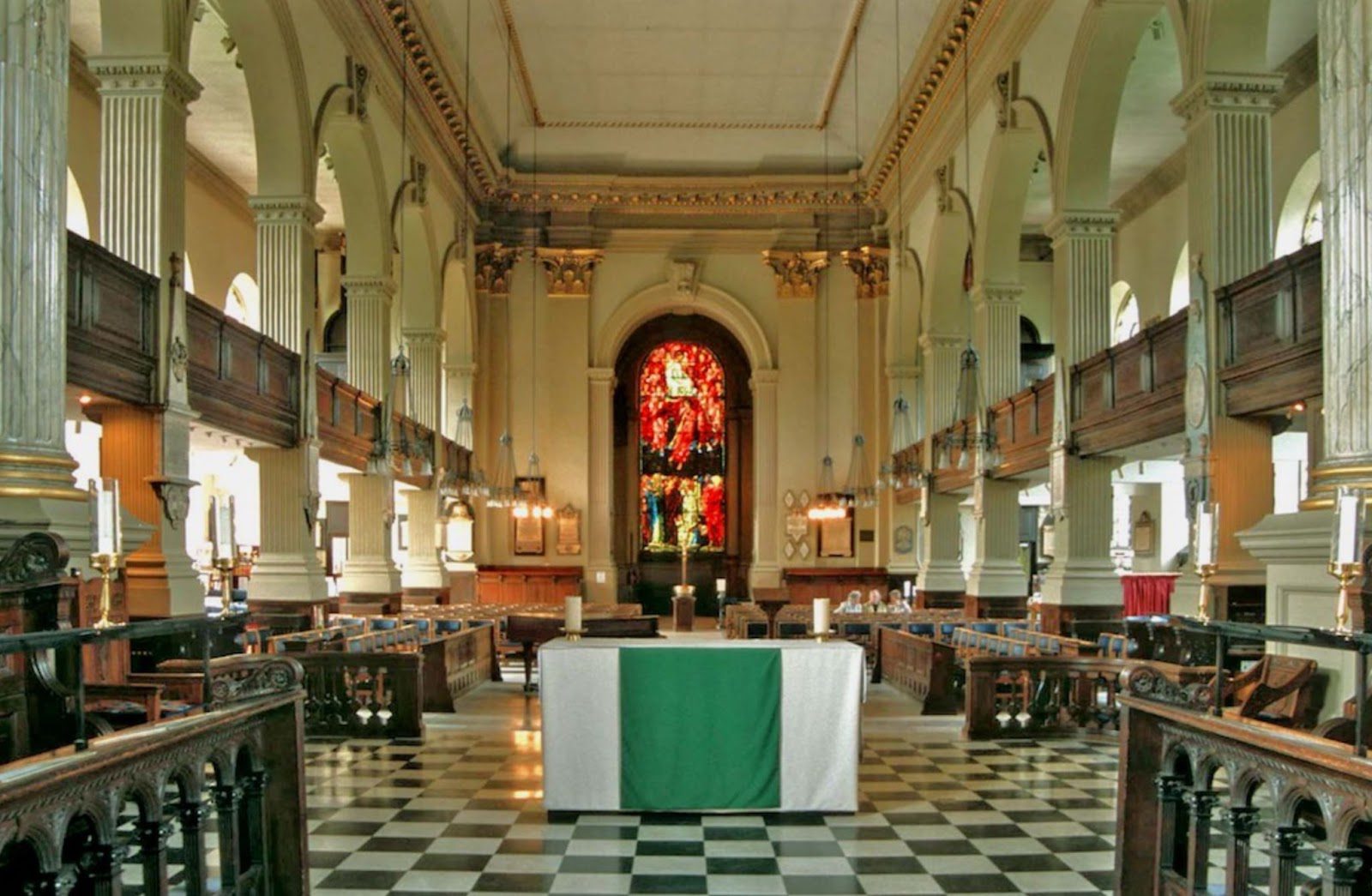
Among the other improvements that took place after the church was built, it is worth mentioning the construction of the tower. It took place in 1725 with donations from the king, which allowed for the construction of the tower itself, a gilded cross, a weather vane, and a ball. The weather vane depicts a boar’s head, which is part of the Gough family coat of arms. The fact is that Richard Gough was the man responsible for securing the funds necessary to complete the construction of this tower.
The Pre-Raphaelite painter Sir Edward Burne-Jones, who was born in Birmingham, created four stained-glass windows for St Peter’s Cathedral depicting scenes from the life of Christ. In addition, Birmingham Cathedral houses a Schwarbrick organ. The instrument is now larger and more modern than when it was first installed. The last significant changes were made in 1993. Also, the original altar railing is no longer used as such, although it can still be seen in the cathedral.
And speaking of changes, it is worth mentioning what changes have taken place on the Cathedral Square. Nowadays, it is believed that about 6,000 people are buried in the churchyard of the cathedral. However, when burials in the churchyard were commonplace, only a few people could afford the luxury of having a tombstone.
The cemetery at the cathedral was closed to further burials in 1858 due to very poor conditions and a potential threat to public health. Today, the cemetery has about 1,50,000 headstones, and nowadays they are only occasionally added to commemorate a significant person or event. The most famous is the memorial to the 21 people who died in the 1974 Birmingham pub bombings. This headstone was installed in 1995.
The current graves in the cemetery reveal the variety of professions that appeared in the rapidly developing city in the 18th and 19th centuries. Among them were such prestigious ones as surgeons and lawyers, although there were also ordinary artisans. As for the latter, you can see what kind of crafts Birmingham residents of that time were good at. There were also gunsmiths and artists among them.
The church that became a cathedral
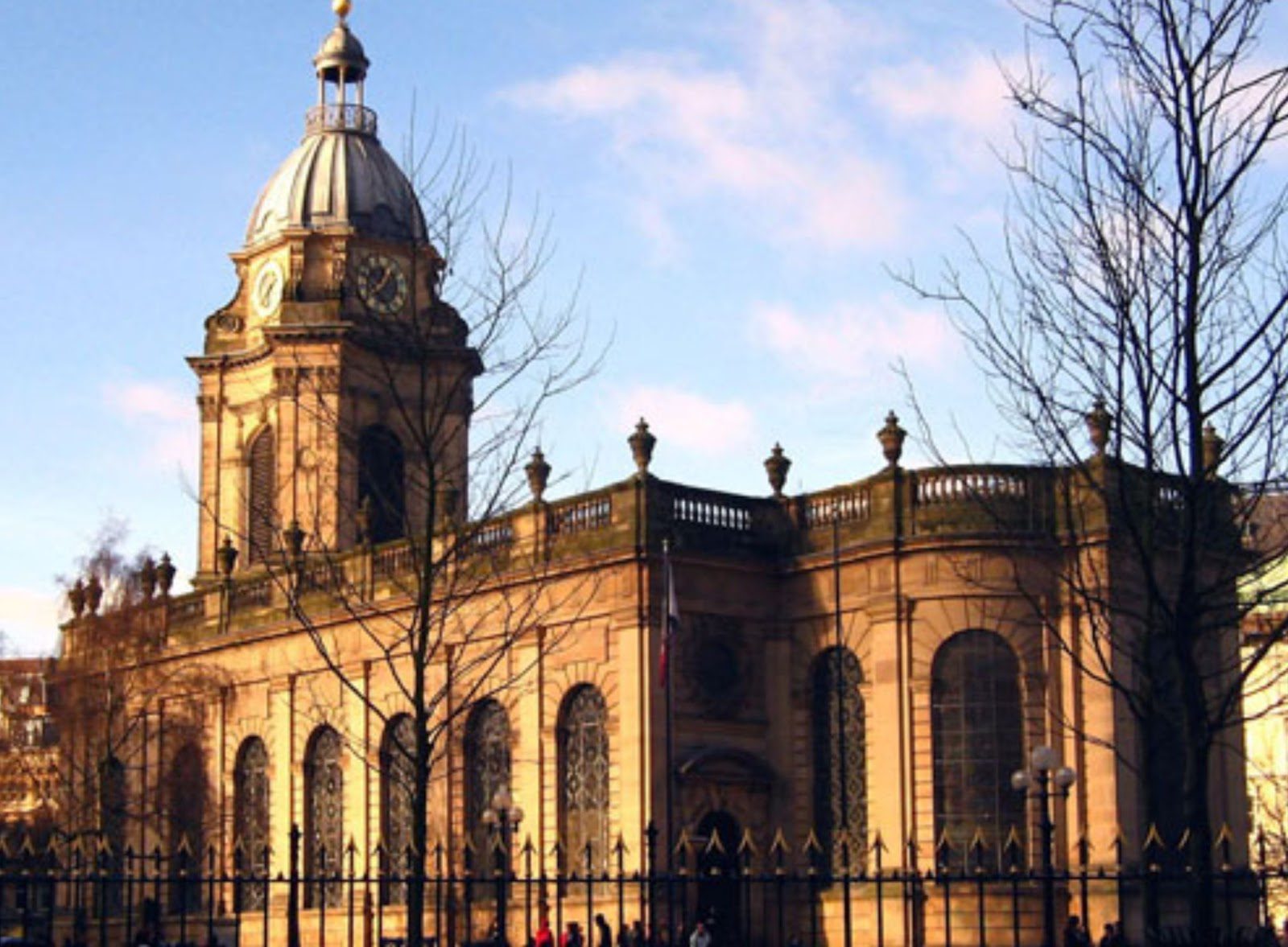
And lastly, about how St Peter’s Church became Birmingham Cathedral. It all started with the creation of the Diocese of Birmingham in 1905. Charles Gore became the first bishop of Birmingham. He rightly decided, instead of building a new church, to use the existing one as the bishop’s residence and to renovate St Peter’s Cathedral by installing canonical pews and electric lighting. With these renovations, Bishop Hora was able to use the church as a new cathedral.
In 1939, four of the stained-glass windows were removed, and during the Second World War they were safely hidden in a Welsh slate mine. The Civil Society was very helpful in this. This foresight was appropriate, as the cathedral suffered significant damage from an incendiary bomb that hit the church in October 1940. But by 1948, the building was restored and re-consecrated.
Sources: