

The postal service in Great Britain has long been one of the key pillars of public administration and urban life. Letters were used to convey news, conclude trade agreements, maintain family ties and settle matters between towns and regions. In an era when telephones and the telegraph did not yet exist, the postal service was the country’s primary system of communication.
Birmingham, which developed particularly rapidly in the 19th century as an industrial centre, was also actively involved in these processes. The city had its own Royal Mail branches, which ensured a regular exchange of correspondence with London and other major British cities. You can find out how the postal service was established in Birmingham and what challenges it faced at birmingham-future.com.
The Royal Mail of England—The Beginning
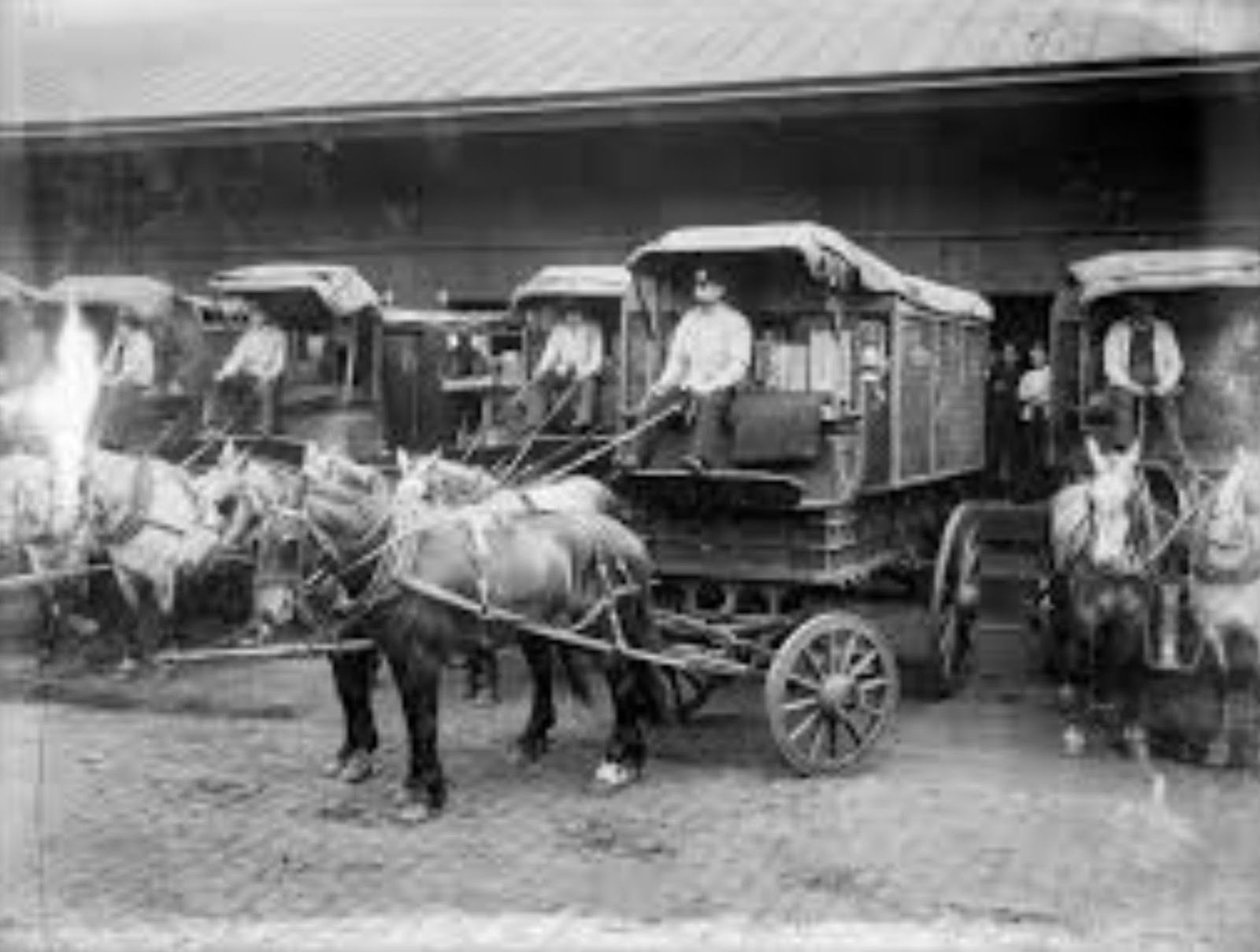
The establishment of a national postal system in Great Britain marked a significant milestone in the development of modern state infrastructure. As early as the 17th century, the authorities began to gradually organise the transport of mail between towns, transforming the postal service from an ad hoc courier service into an organised state service.
It was during this period that the system which later became known as the Royal Mail began to take shape. Its purpose was to ensure the regular delivery of letters between all regions of the country, as well as to oversee the official correspondence of government bodies.
With the development of trade and the growth of towns—and Birmingham was no exception—the importance of the postal service grew rapidly. Correspondence became the primary means of transmitting information: news, commercial offers or legal documents.
The government therefore sought to establish a network of post offices in the country’s largest cities, which enabled faster delivery of mail and maintained communication between regions.
Birmingham gradually emerged as one such city. Although it did not yet have the status of a metropolis in the 18th century, its importance to the country’s economy was growing rapidly. This was hardly surprising, as crafts, trade and the manufacture of metal goods were flourishing here, attracting the attention of entrepreneurs and merchants from various parts of Britain.
Under such circumstances, the need for regular correspondence grew ever greater, as agreements were concluded, the delivery of goods was arranged, and business contacts were maintained via the post.
The first post offices in Birmingham
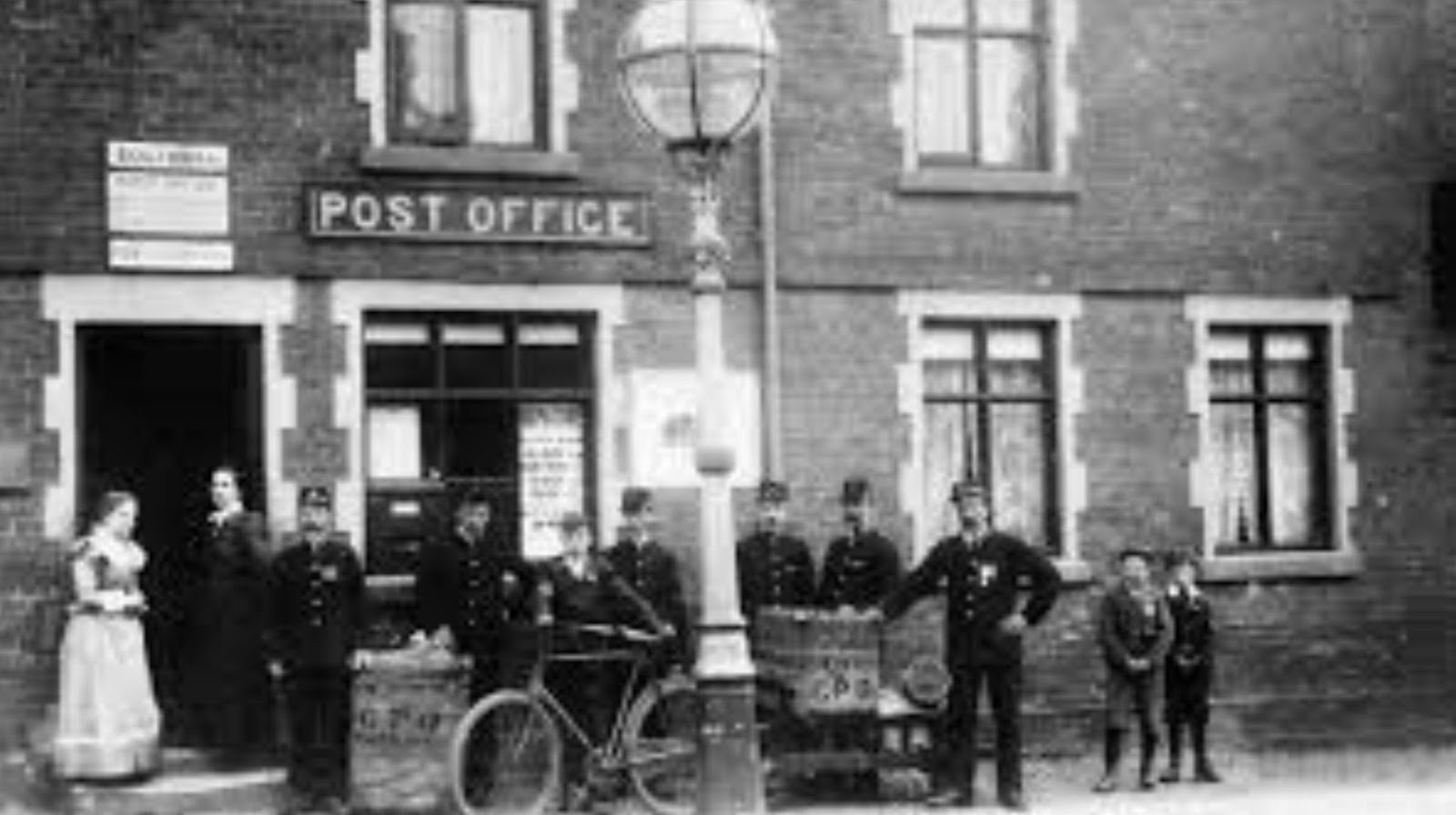
The first post offices in Birmingham were rather modest. They were often not housed in separate buildings, but in the premises of coaching inns, taverns or shops. Such places served as collection and delivery points for letters.
Mail was delivered by horse-drawn stagecoaches, which travelled between towns along fixed routes. One of the main routes was the road to London, as that was where the central administrative headquarters of the postal service was located.
The situation changed significantly in the late 18th and early 19th centuries, when Britain entered the Industrial Revolution. At this time, Birmingham was emerging as one of the country’s most important industrial centres. New workshops, factories and metalworking enterprises were opening in the city, supplying products not only to the British market but also to other countries in Europe and around the world.
Such economic growth inevitably had an impact on the postal service. The volume of letters, invoices, contracts and commercial correspondence was constantly increasing. Entrepreneurs, bankers and merchants required the rapid exchange of information, as the success of deals and the delivery of goods depended on it. As a result, postal routes to Birmingham became much more regular, and the city itself became one of the key hubs in the British postal network.
In the 19th century, postal services began to develop even more rapidly thanks to the advent of the railways. Trains made it possible to transport letters much faster than by traditional stagecoaches. Birmingham, which had become an important transport hub, gained further advantages. New railway lines ran through the city, connecting England’s industrial regions with London and the port cities. All this contributed to local post offices gradually expanding and improving their services.
Thus, the development of the postal service in Birmingham was closely linked to the broader economic trends taking place in Great Britain. Industrial growth, brisk trade and the emergence of new transport routes made the city a key hub in the national postal network. It was precisely these factors that eventually led to the establishment of larger postal offices and the construction of major post offices, which served not only the city, but also a significant part of the surrounding region.
Birmingham Central Post Office
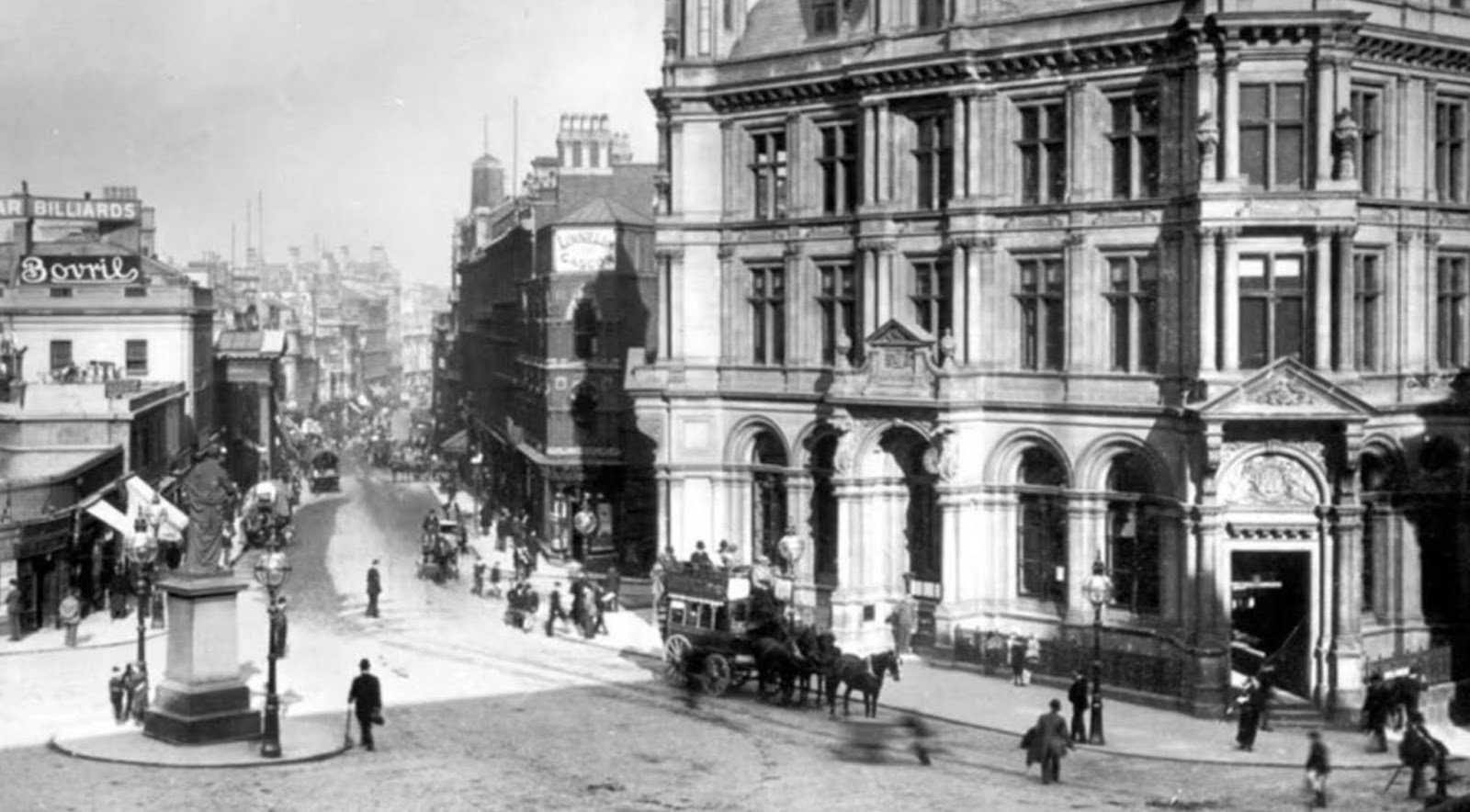
Towards the end of the 19th century, Birmingham’s rapid economic boom presented the postal service with new challenges. The volume of letters and business correspondence was growing so rapidly that small post offices could no longer cope with the workload. Industrial firms, banks and trading companies sent thousands of letters every day, and there were also bills and contracts, which required a more organised system of sorting and delivery.
That is why, at the end of the 19th century, it was decided to construct a new, large building to house the city’s main post office. It was intended to serve as a central hub through which a significant proportion of the region’s mail would pass. Thus, the main post office was established in the centre of Birmingham. It opened its doors in 1891.
The building was constructed in a prestigious neighbourhood near what is now Victoria Square. It was designed by the architect Henry Tanner, who worked for the British Post Office. The building’s architecture was distinguished by its monumentality and elements of the French Renaissance style, which emphasised the institution’s importance to the city.
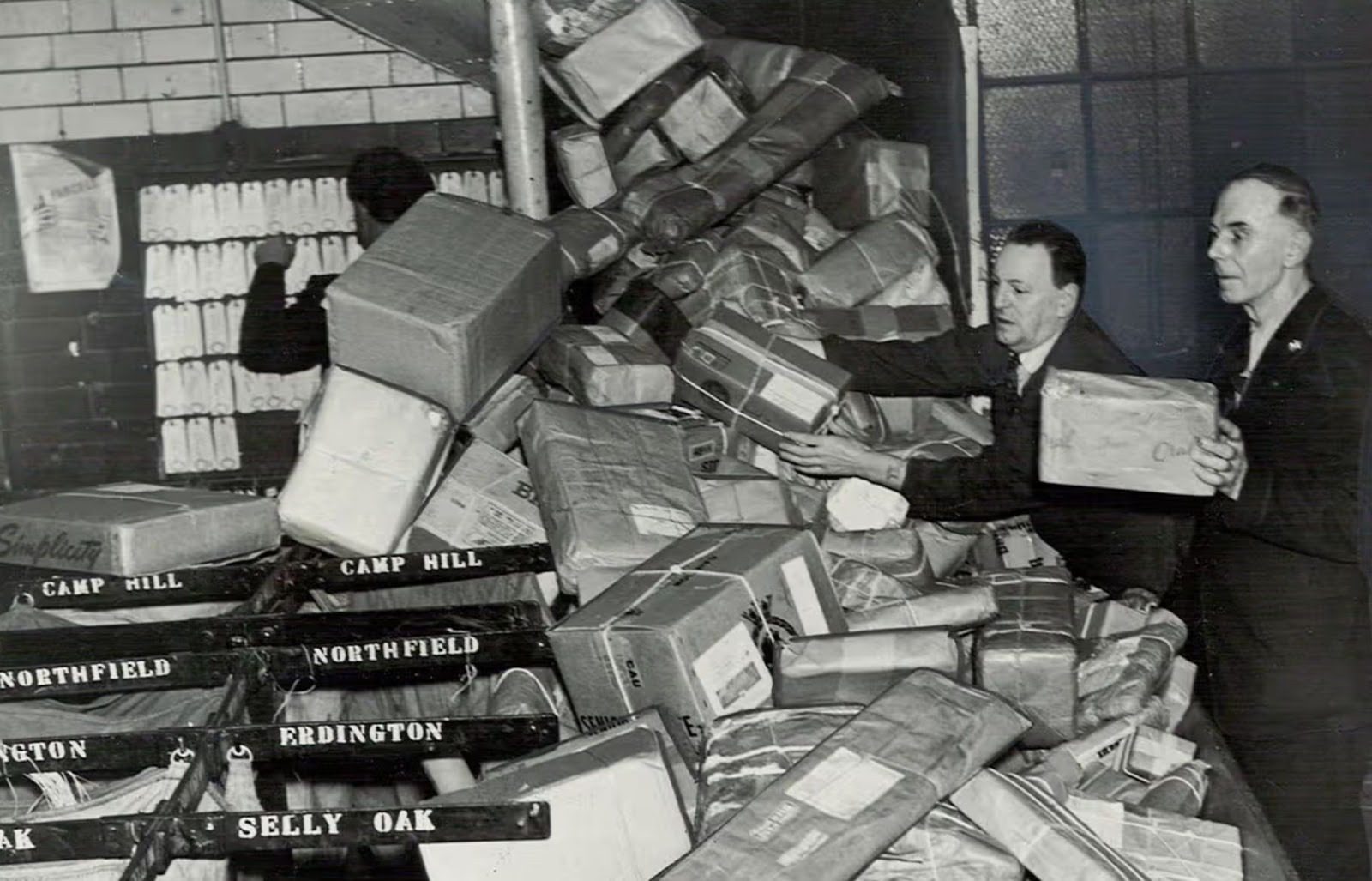
The new post office became the heart of Birmingham’s postal service. Dozens of staff worked there, receiving, sorting and dispatching mail to all corners of the country. Thousands of letters passed through the office every day, after which the mailbags were sent by rail to various cities across the UK.
The building served as Birmingham’s main post office for many decades. It was not until the second half of the 20th century, when the volume of mail rose sharply once again, that the postal services began to relocate their main sorting operations to new, modern centres.
The current phase of the Birmingham Post Office
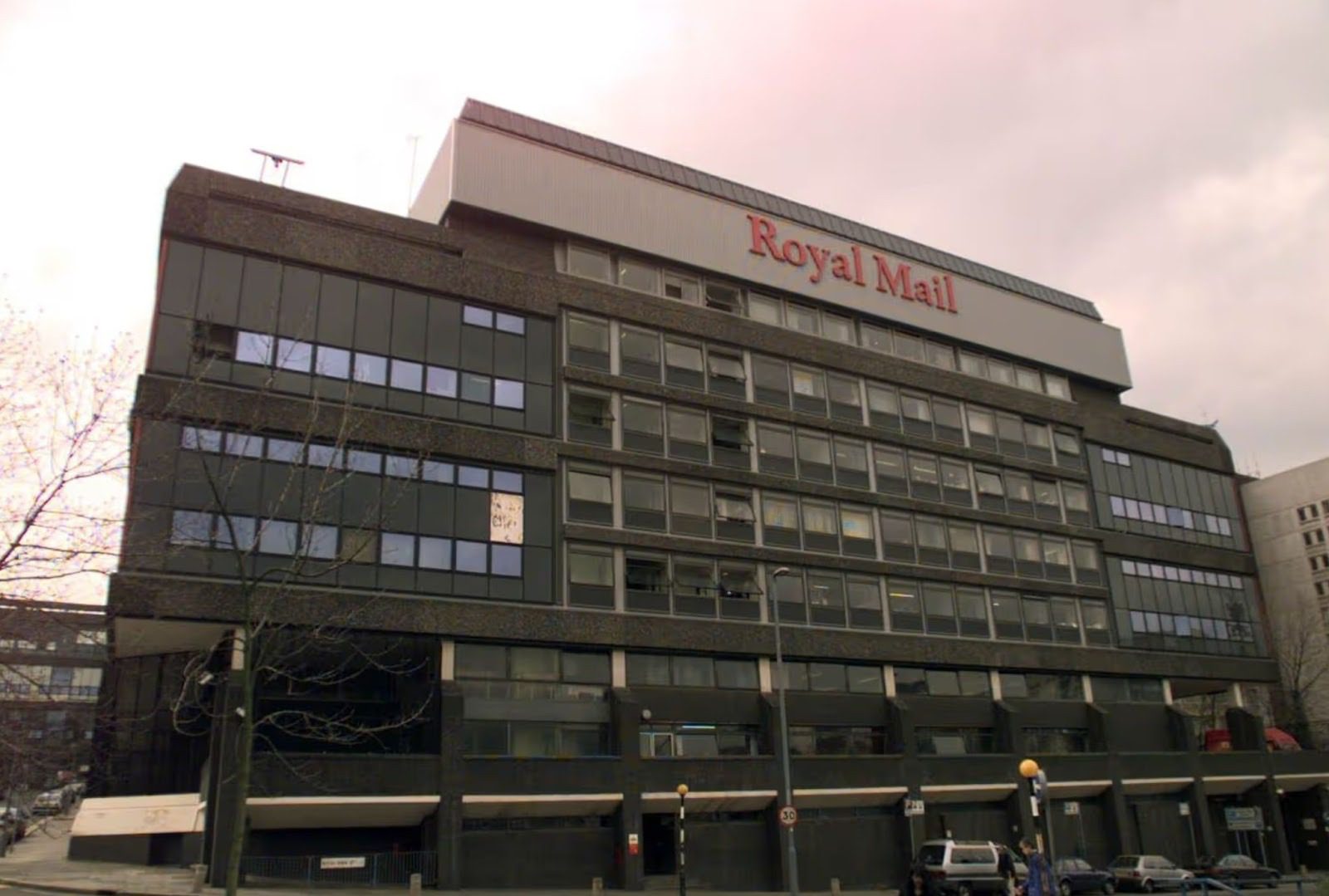
Overall, Birmingham’s postal system underwent significant changes in the second half of the 20th century. One such complex was Mailbox Birmingham.
The new branches enabled the use of modern digital technologies, specifically automated sorting, electronic trackers and integration with logistics services. This enabled the rapid delivery of letters and parcels throughout the UK and beyond. At the same time, some of the historic buildings, including the former main post office on Victoria Square, have retained their architectural character and been converted into cultural and commercial spaces.
Thus, Birmingham’s postal service has evolved from small branches housed in pubs to modern, high-tech centres, whilst remaining an integral part of the city’s and the nation’s communications network.
Sources:
- https://www.birminghammail.co.uk/news/nostalgia/postal-past-of-birmingham-landmark-9644711
- https://www.gutenberg.org/files/42983/42983-h/42983-h.htm
- https://1887jubileeissue.com/related-info/history-of-the-travelling-post-office/
- https://www.birminghammail.co.uk/news/nostalgia/gallery/birmingham-postal-workers-days-gone-32041736