

People are strange creatures: they may not believe in superstitions, but they stubbornly believe in luck. Just when common sense quietly says ‘enough,’ a different voice speaks up inside: ‘What if it’s right now?’ Gambling isn’t about money; it’s about the feeling that you’re about to beat the system, even if the system hasn’t realised it yet. And interestingly, it works the same everywhere: from luxurious halls to industrial towns with damp air and brick façades.
In Birmingham, things were much the same: whilst the city went about its working-class rhythm, another reality was already taking shape nearby—a quiet, semi-secret world of cards, bets, and people who came not just to play but to test the limits of their luck. No flashy signs, no prying eyes—but with that same old desire to win more than logic allows. And when this story emerged from the shadows and became part of the city’s official life, that’s when the real fun began. You can read more here: birmingham-future.com.
The history of casinos: how gambling came to England and Birmingham
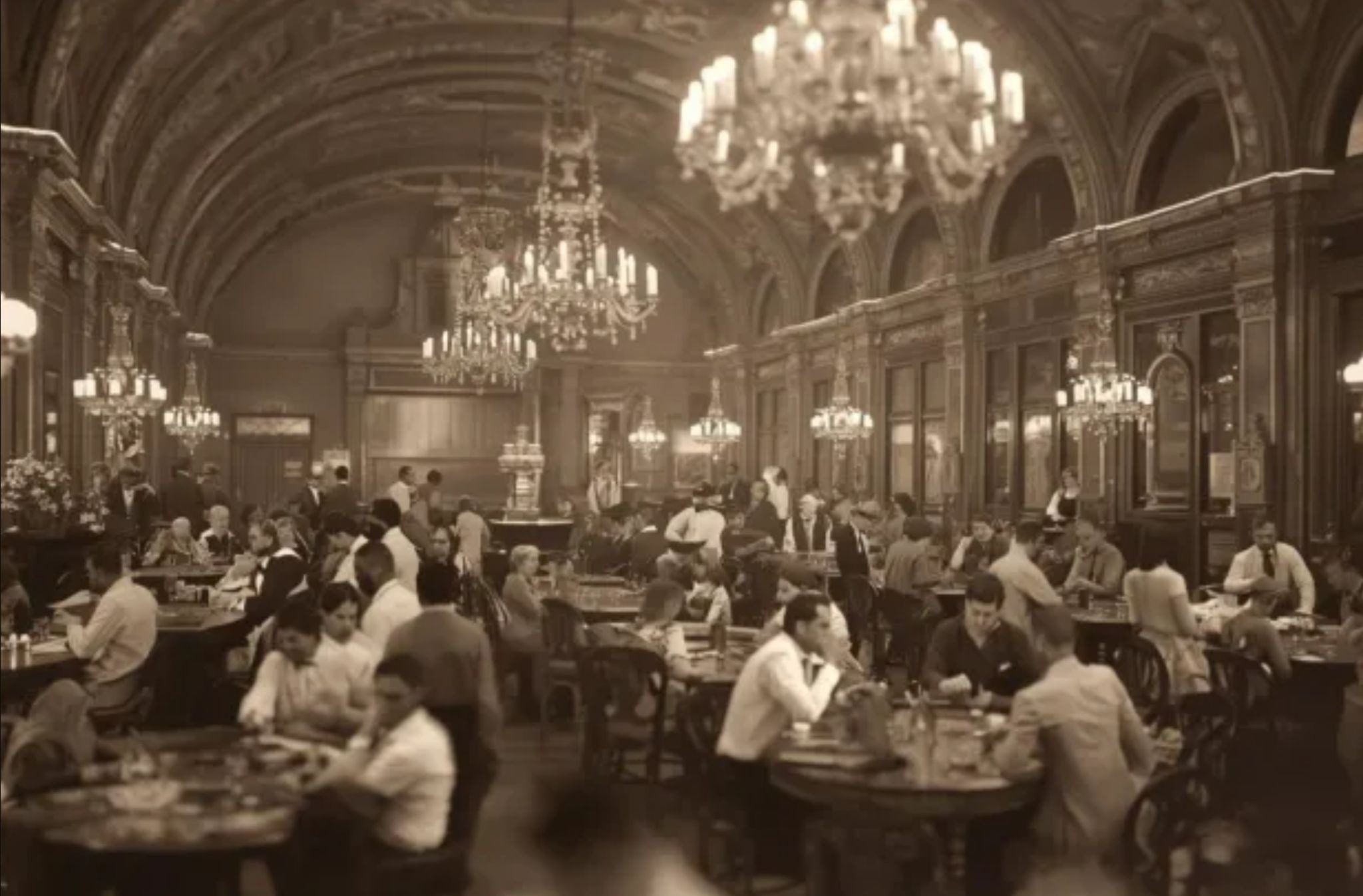
It is well known that gambling emerged long before the term ‘casino’ itself. As early as the 17th and 18th centuries in Europe, the first gambling houses were established—most often within aristocratic clubs or in spa towns. The word ‘casino’ itself originates from Italy and referred to a small entertainment venue where, alongside music and social conversation, cards and betting were quite naturally present.
The Casino di Venezia, which opened as far back as the 17th century, is considered one of the first official establishments of this kind. Gambling reached England rather gradually and, characteristically, was met with a certain degree of scepticism. In 18th–19th-century London, there were so-called ‘gaming ’houses’—private clubs for gentlemen, where members of the upper classes played.
They operated semi-legally: the authorities periodically tried to curb the gambling, but demand never dried up. Gambling was part of the culture—as was the desire to get around the rules.
In industrial cities, particularly in Birmingham, the situation was somewhat different. There was no such aristocratic tradition here, but instead there was a working-class environment where gambling took simpler forms.
We’re talking about betting, cards impromptu games in pubs or private clubs. These were not casinos in the traditional sense but rather local gambling dens that existed ‘between the lines’ of the law.
The turning point did not come until the 20th century. Up until that point, the British government had consistently sought to regulate gambling, but in reality, it merely pushed it further and further into the shadows. However, everything changed with the passing of the Gambling Act 1968—a law that finally regulated and legalised casino operations. It was after this that the modern gambling industry began to take shape in England.
For Birmingham, this meant that a game which had existed semi-legally for decades finally gained official status. The city began to see the opening of its first licensed casinos—understated, private, with compulsory membership and minimal publicity. And although they did not advertise themselves, they were now operating within the rules.
So gambling in Birmingham has followed the classic path: from underground card games to a legal business. And, as is often the case, this is not because people have suddenly changed, but because the state decided it was better to regulate it than to pretend it didn’t exist.
Fracture: Gambling Act 1968
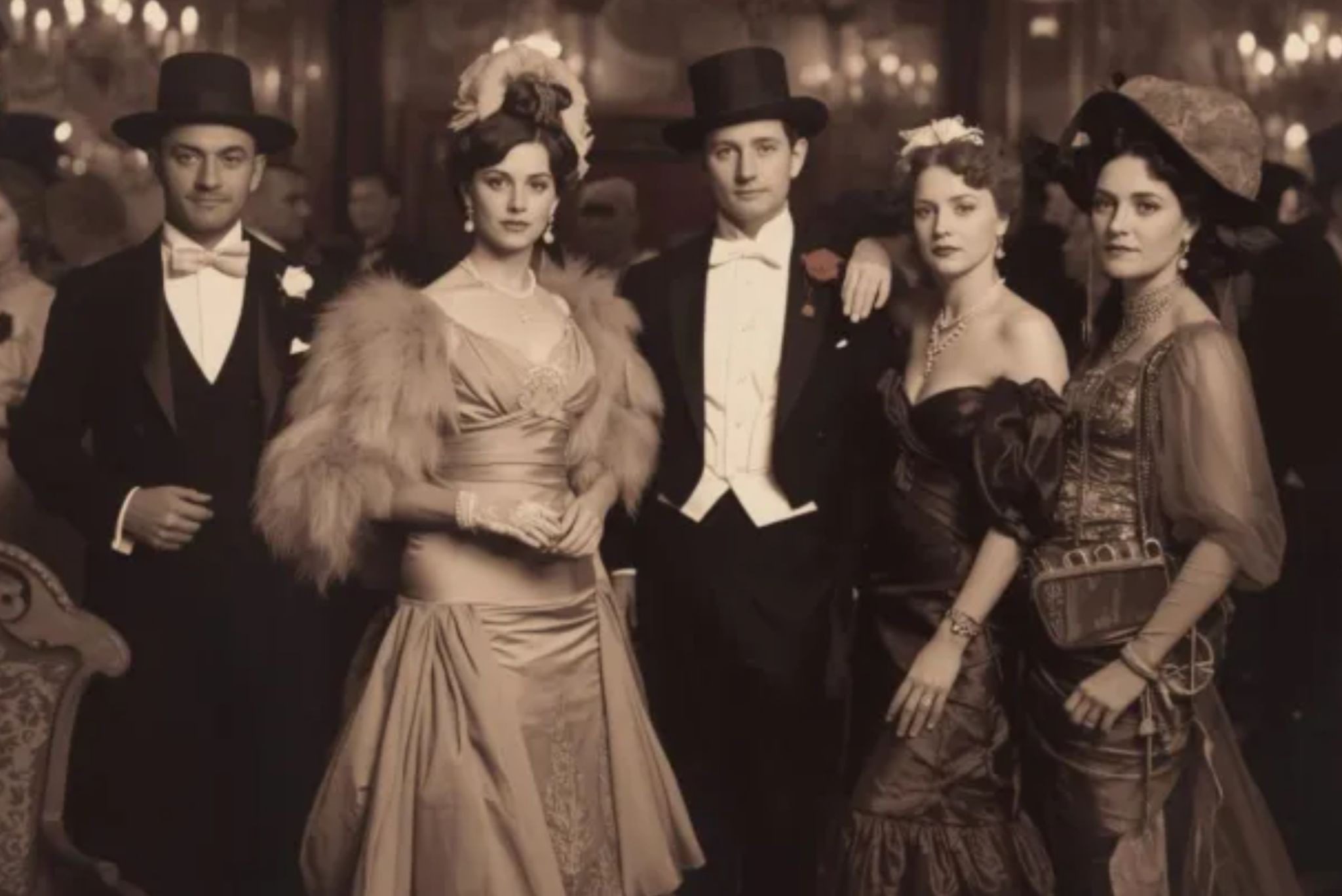
By the end of the 1960s, the British government found itself in a situation where gambling was formally restricted, but in reality it was thriving underground. Underground clubs, ‘insiders,’ unaccounted-for cash, and quite active interest from the criminal underworld. It was impossible to ban it and impossible to ignore it. So the state did what it usually does in such cases: it decided to take everything under control.
The 1968 Act itself was not a sudden move—it was the result of several years of discussions, reports, and investigations. One of the key catalysts was an analysis of the gambling market, which showed that demand was stable, whilst the lack of clear rules only exacerbated underground schemes. Politicians, in particular, representatives of the government at the time, promoted the idea of ‘controlled legalization’—not ’allowing everything and anything, but creating a strictly regulated system.
There was lobbying too, but not in the same way as today. Major gambling operators and business groups, which were already operating semi-legally, were keen to see transparent rules of the game. At the same time, law enforcement supported the reform for another reason—a legal market is easier to control than a network of closed clubs. Ultimately, what did this law change:
- introduced a licensing system for casinos;
- allowed gambling establishments to operate within specified limits;
- established a regulatory body (Gaming Board);
- restricted access—casinos remained members-only clubs;
- banned aggressive advertising.
In other words, as is clear, this was not a ‘gambling-free zone’ but rather a controlled experiment.
The casino scene in Birmingham following legalisation
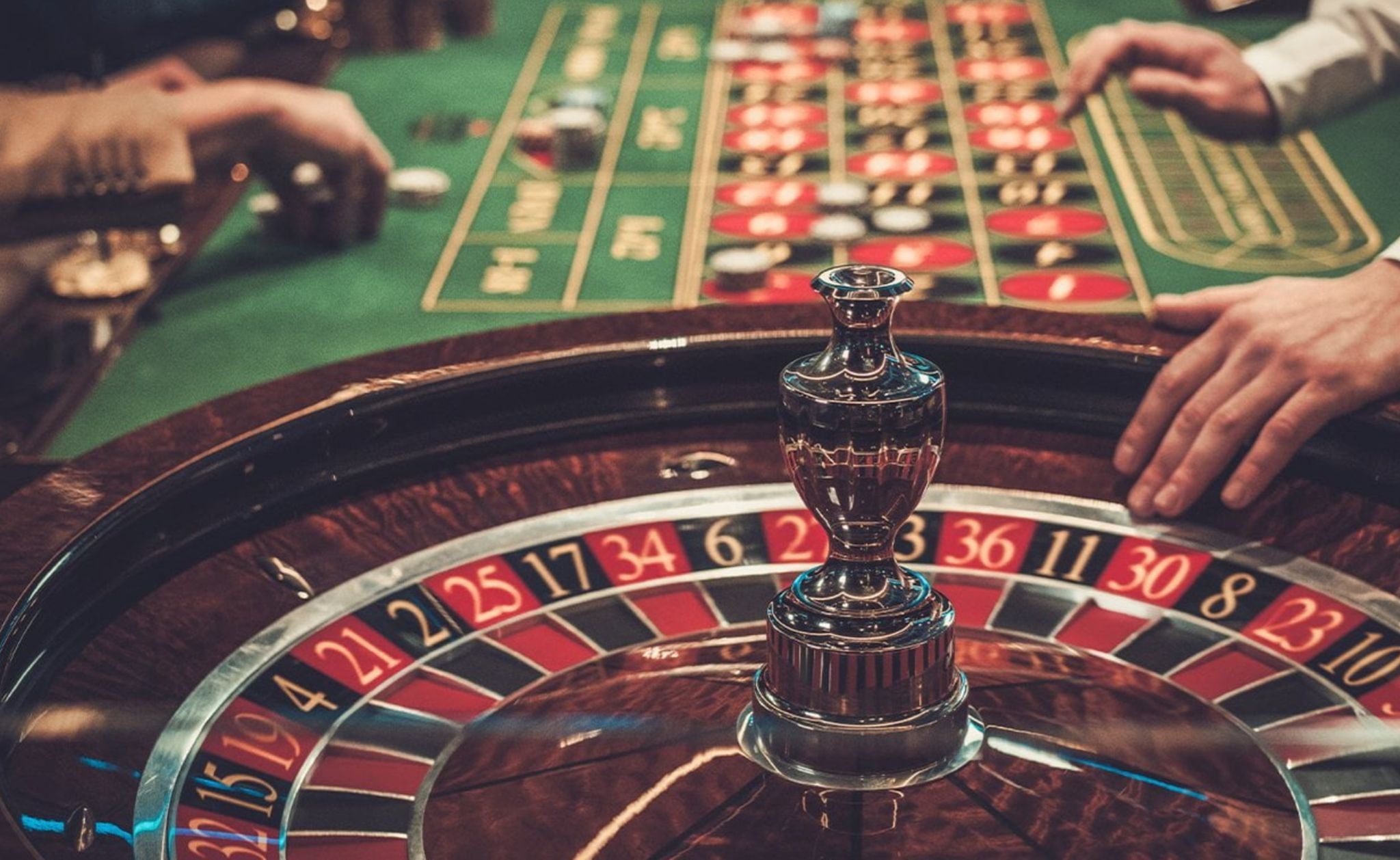
In Birmingham, the law took effect fairly quickly. As a major industrial hub, the city had a steady demand for entertainment, and the new regulations opened up opportunities for legal businesses. By the late 1960s and early 1970s, the first licensed casinos had appeared here. They looked understated: no neon lights, no crowds of tourists, but with a clear structure—registration, supervision, and rules of the game.
For residents, this meant several things. Firstly, gambling ‘came out of the shadows.’ What had previously been semi-illegal and somewhat risky became an official part of city life. Secondly, perceptions changed. Casinos ceased to be seen solely as something dubious—an element of legitimacy, even a certain ‘status,’ emerged.
Thirdly, the influence of illegal organisations has diminished to some extent. It has not disappeared entirely, but the state has acquired the tools to keep it in check.
And yet the main thing remained: the thrill itself hadn’t gone anywhere. The law merely changed the scenery. Whereas previously it had been closed rooms and verbal agreements, after 1968 it was tables under supervision and a game played by the rules. But the inner workings of people remained the same: the belief that the next bet would be the right one.
Where exactly did casinos first appear, and how did they operate
A wide variety of people frequented the legal establishments. They included local businessmen and entrepreneurs, managers and middle-class office workers, and occasionally those very same players with a ‘shady’ past who had simply moved into the legal sphere. The working class was present too but did not dominate—the barrier in the form of membership and the general ‘seriousness’ of the establishments played its part.
And perhaps the most interesting thing was the atmosphere. It wasn’t a place for celebrations or noise. There was a sense of intense focus: subdued lighting, the clatter of chips the dealers’ terse instructions. People didn’t come to ‘unwind’ but to win. And even they lost, they did so quietly—as if reserving the right to try again.
Consequently, the Birmingham casinos of that era appeared to be a compromise: between excitement and restraint between the desire to take risks and the need to appear respectable. And it was precisely in this restraint that their distinctive, somewhat British aesthetic lay.
Is the desire to win fading?
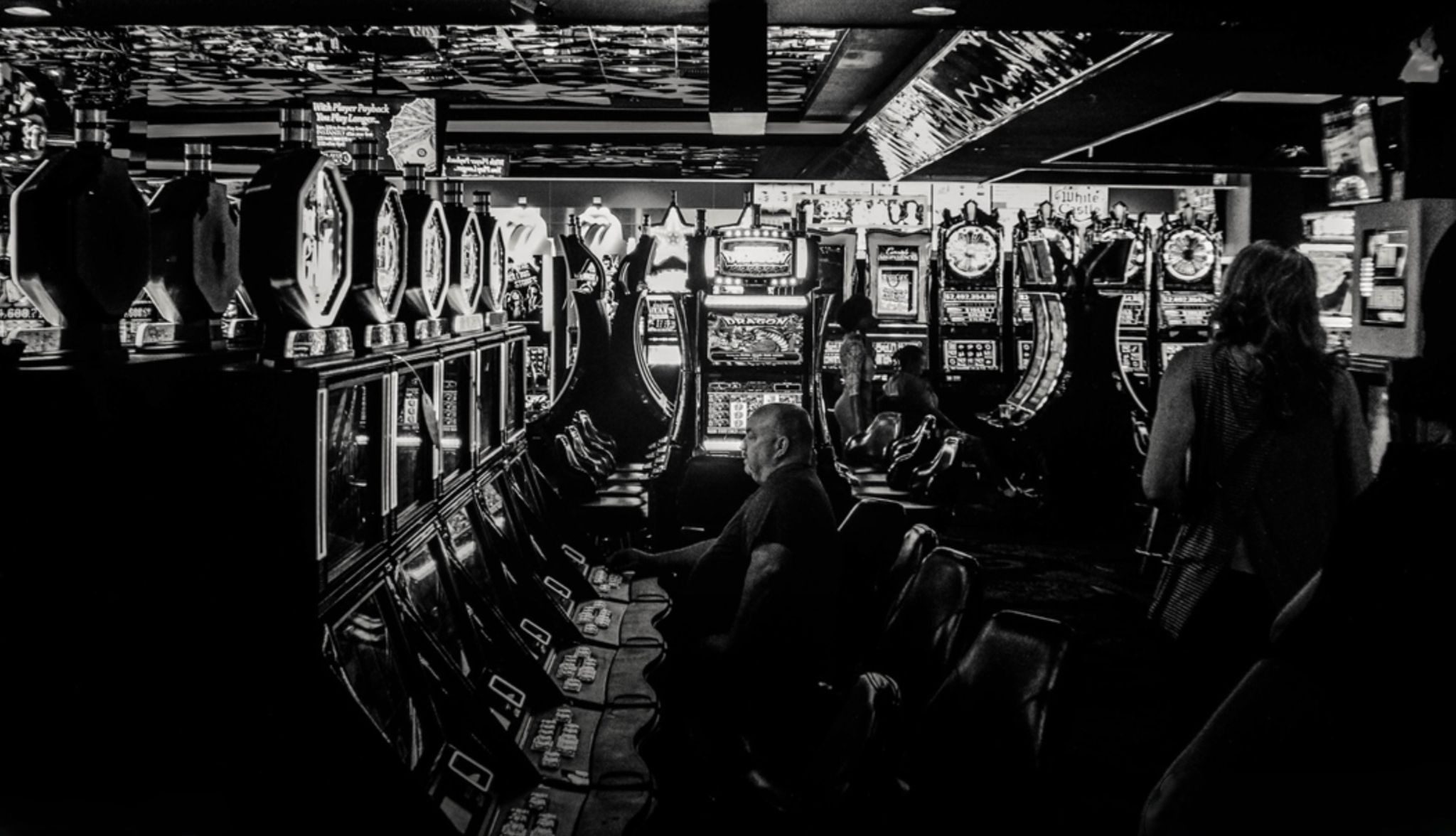
Ultimately, the history of casinos in Birmingham is not about glamour and easy money but about adaptation: the adaptation of cities, states, and the people themselves to the fact that the thrill of gambling is here to stay. It can be banned, restricted, or regulated, but it is unlikely ever to be eradicated.
What was once hidden behind closed doors and semi-legal arrangements has become part of official city life—restrained, regulated, but just as appealing.
And if you look closely, it was only the rules of the game that changed. But the game itself—and the desire to win more than logic would allow—remained unchanged.
Sources:
- https://www.gutenberg.org/files/48223/48223-h/48223-h.htm
- https://www.halcyonlifestyle.com/bright-lights-and-dice/
- https://publications.parliament.uk/pa/ld5801/ldselect/ldgamb/79/7905.htm
- https://bromsgrovestandard.co.uk/lifestyle/the-history-of-gambling-in-the-uk/
- https://www.metropolitancasinos.com/casino-life/the-history-of-casinos-in-the-uk/