

Back in the days of horse-drawn stagecoaches—passenger carriages that travelled between English towns in the 19th century—people paid for their journey immediately before departure, usually at special ticket offices or at the station of departure. The passenger paid the agreed amount, received a ticket-voucher and only then boarded the stagecoach, which set off along its route. The cost depended on the distance and conditions of the journey: seats inside were more expensive, while those outside were cheaper.
For many middle-class people, such journeys represented a significant expense, but the payment system was clear and transparent. Moreover, payment had to be made in cash before the journey began—otherwise, passengers were simply not allowed to board the stagecoach. This system became established and was part of transport culture right up until the advent of modern tickets, turnstiles and electronic systems—which, however, did not prevent the emergence of a new problem: fare dodgers. To find out how they are being tackled and ‘fought’ in Birmingham today, visit the website birmingham-future.com.
Historical context: from stagecoaches to trains and trams
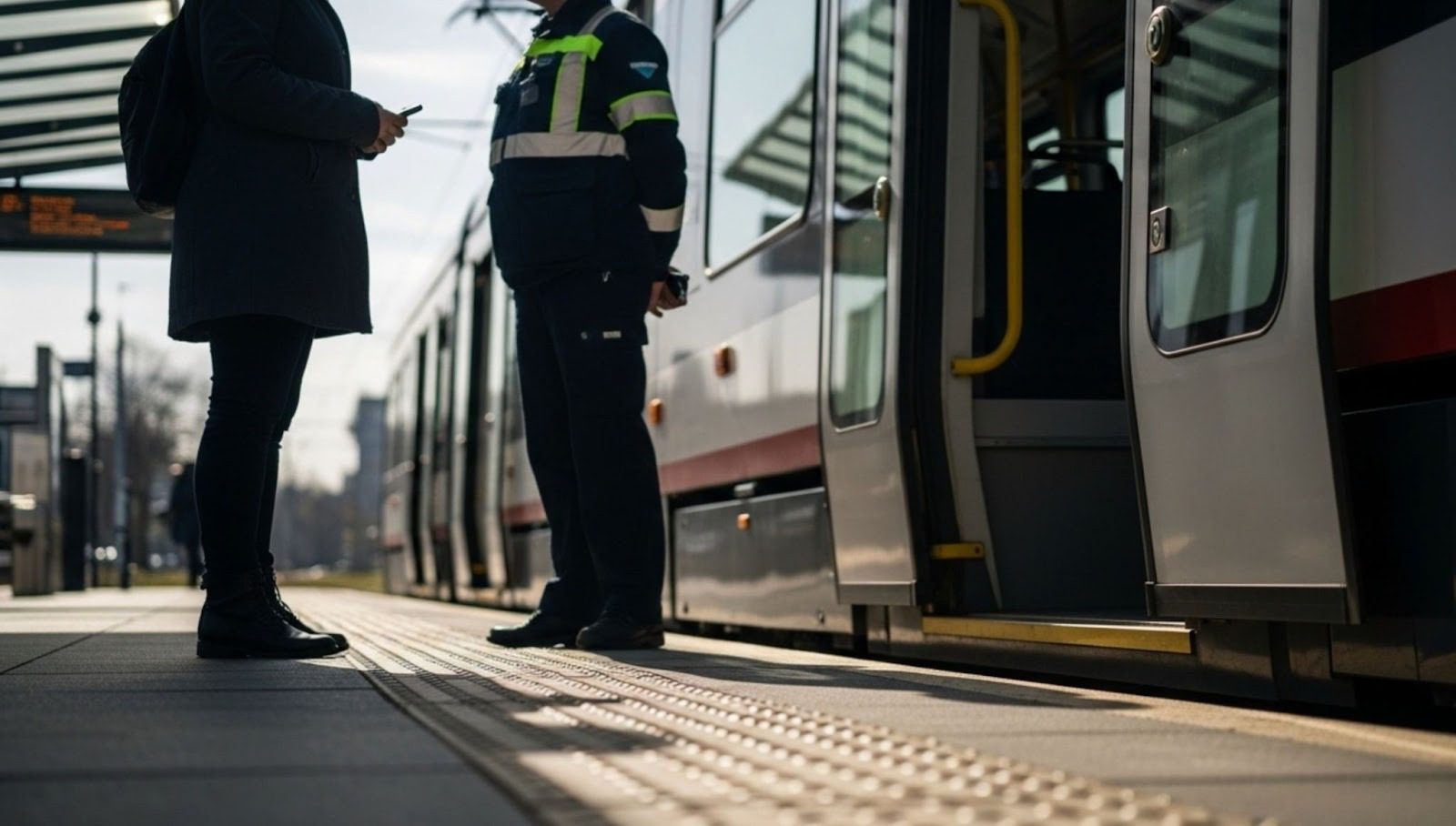
After the 19th century brought an end to the dominance of horse-drawn stagecoaches, a new phase in the development of transport began to unfold in Great Britain. From around the mid-19th century, the country became a leader in the railway revolution. Trains appeared in England, connecting cities, and the railway network expanded rapidly.
Later, towards the end of the 19th century, trams appeared in towns and cities—the first mass-transit forms of urban public transport, running along fixed routes through the streets. The legislative framework for the development of tramways, in particular the Tramways Act 1870, allowed local authorities to construct and operate such lines.
With the advent of new, mass-transit vehicles, a new problem arose: how to ensure payment for travel on trains, trams and, later, buses. Whereas on stagecoaches passengers paid in advance and the system itself by its very nature did not allow for free travel, in open railway and urban transport systems it was necessary to devise new control mechanisms.
And such mechanisms did emerge. On the railways of Great Britain, as early as the late 19th century, legislation required passengers to present a valid ticket and pay a fine if they did not have one. This rule was enshrined in the Regulation of Railways Act 1889 — one of the first laws to require not only traffic safety, but also discipline regarding fare payment.
In urban tram and later bus networks, efforts to combat fare evasion were initially limited to physical checks: the traditional inspection of tickets at stations and tram stops. This task was entrusted to conductors or inspectors, who walked through the carriages checking for tickets. Later, turnstiles and automated ticket validators were installed, making it as difficult as possible to travel without paying.
With the advent of the underground and commuter trains, such methods of fare collection spread to this form of public transport. Turnstile systems at stations, ticket inspectors and conductors became the norm for checking fares.
Stepping up the hunt for ‘hoppers’
As we move closer to the modern era, with the development of technology, reliance solely on mechanical means, such as tickets, proved insufficient. Railway operators and local authorities began to review their penalty policies and introduce stricter legislative regulations.
Very often, fines were imposed that were dozens of times higher than the standard fare for a journey. Furthermore, repeat offenders faced administrative or even criminal liability.
Thus, the crackdown on fare evasion in Birmingham and across the UK as a whole did not emerge alongside turnstiles or electronic travel cards—it has its roots in the early days of modern transport networks, when it becameobviousthatan open system of passenger movement without ticket checks leads to significant financial losses and social conflicts between passengers and operators.
Modern monitoring methods in Birmingham

Today, the fight against fare evasion in Birmingham continues; it has become a high-tech and well-organised operation. The main public transport operator in the region is Transport for West Midlands, which is responsible for buses, trams and some commuter trains. Consequently, comprehensive control systems combining the human factor and modern technology are now being used to prevent fare evasion in the city.
On many routes, turnstiles and automated ticket validators have been installed, which restrict access to public transport without a valid ticket or electronic pass. Passengers can use various payment methods: traditional tickets, Swift cards, contactless bank cards or mobile apps. All of this allows payment to be verified in real time and makes it much more difficult to try to ‘sneak through’ without paying.
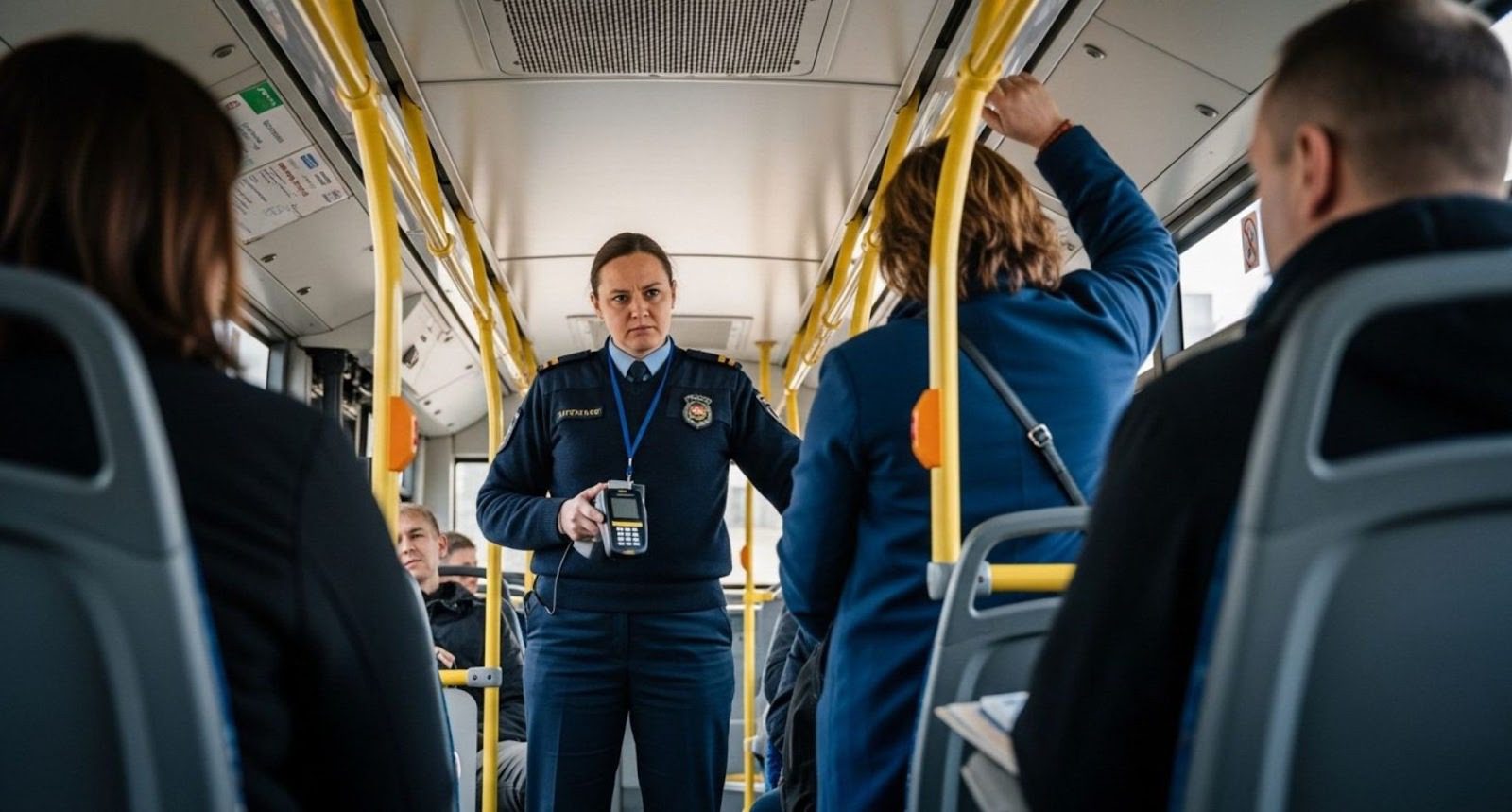
However, technology alone does not fully resolve the issue. The transport system employs revenue protection officers—special inspectors who move through the carriages checking for valid tickets. They are authorised to issue fines on the spot, as well as to notify the police in cases of repeated or brazen violations. Such spot checks are carried out both on a regular basis and at random, to ensure that passengers do not become accustomed to so-called ‘freedom from payment’.
At major transport hubs, in particular, at central underground stations and bus terminals, CCTV systems are used to help detect attempts to bypass turnstiles and travel without paying. In addition, information campaigns and warning signs on public transport remind passengers of their responsibilities and the potential fines.
As for the current fines policy in Birmingham, it is quite strict. Offenders may receive a Fixed Penalty Notice ranging from £50 to £100, depending on the route and type of transport. Repeated offences lead to administrative or even criminal consequences. Overall, this set of measures helps to maintain a balance between effective enforcement and passenger convenience, encouraging a responsible attitude towards fare payment.
By combining technology with the human factor, Birmingham is taking a systematic approach to tackling fare evasion, reducing financial losses and improving discipline on public transport. However, the problem remains a pressing one, as attempts to circumvent the system are becoming increasingly ingenious, forcing the city council to constantly refine its enforcement mechanisms and seek new effective solutions.
Social and economic impact

Fare enforcement in Birmingham has a direct economic and social impact. Reducing the number of fare evaders enables transport operators to generate stable revenue, maintain service quality and invest in the renewal of their fleet of buses, trams and equipment. At the same time, the system of fines and inspections fosters a culture of conscientious payment among passengers, reducing the number of conflicts and misunderstandings on routes.
Public campaigns and visible enforcement encourage discipline, whilst transparent rules and accessible payment methods make public transport convenient and predictable. Thus, the crackdown on fare evasion combines financial benefits for operators with social order for passengers, creating an efficient and sustainable transport system in Birmingham.
Sources: