

In the 19th century, Birmingham gained a reputation as the ‘workshop of the world’, that is, a major industrial centre where metal goods, tools and various technical innovations were manufactured. In the 20th century, the city retained this status. As industry, trade and office work developed, new devices began to appear in the everyday lives of Birmingham’s residents.
They helped people to work, calculate, transmit information and stay in touch. Many of them now seem simple or even outdated, but in their day they were a real technological breakthrough. You can read more about these devices and their role in the lives of Birminghamians on the website birmingham-future.com.
A mechanical revolution in text processing
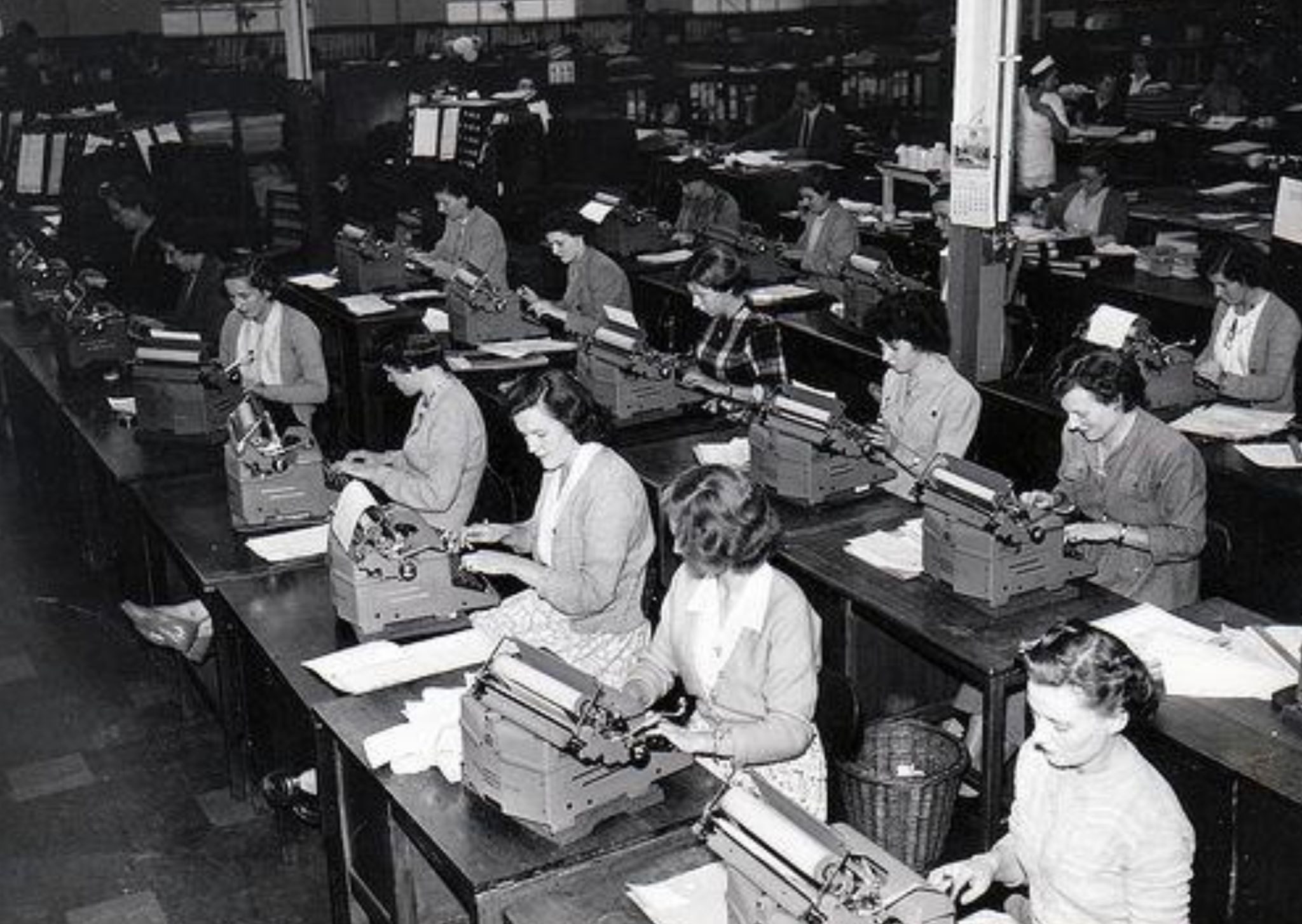
The idea of mechanising the process of writing texts first emerged as early as the 19th century. The first experiments with such devices were carried out in various European countries and the USA, but the real breakthrough came in the 1860s and 1870s. It was then that the first commercially successful typewriters were created, which allowed text to be typed quickly using keys.
The classic mechanical typewriter was a rather complex but reliable device. At the heart of its operation lay the keyboard. When the user pressed a key, the corresponding metal lever bearing a symbol would strike the paper via the ink ribbon.
Despite the mechanical nature of the process, experienced typists were able to type very quickly. In large offices, typing speed became an important professional skill.
In the 20th century, the typewriter became an integral part of office life in Birmingham. As one of the UK’s largest industrial centres, Birmingham was home to hundreds of factories, trading companies and banks, where contracts, invoices and letters were drawn up on a daily basis.
In factory accounts departments, financial documents were typed; in factory offices, technical documentation and correspondence with partners were typed. Typewriters played an equally important role in the editorial offices of local newspapers, where journalists prepared articles and reports.
By the mid-20th century, the typewriter had effectively become a symbol of office work. It could be found in managers’ offices, in company accounts departments, and even in writers’ home offices.
The history of the telephone
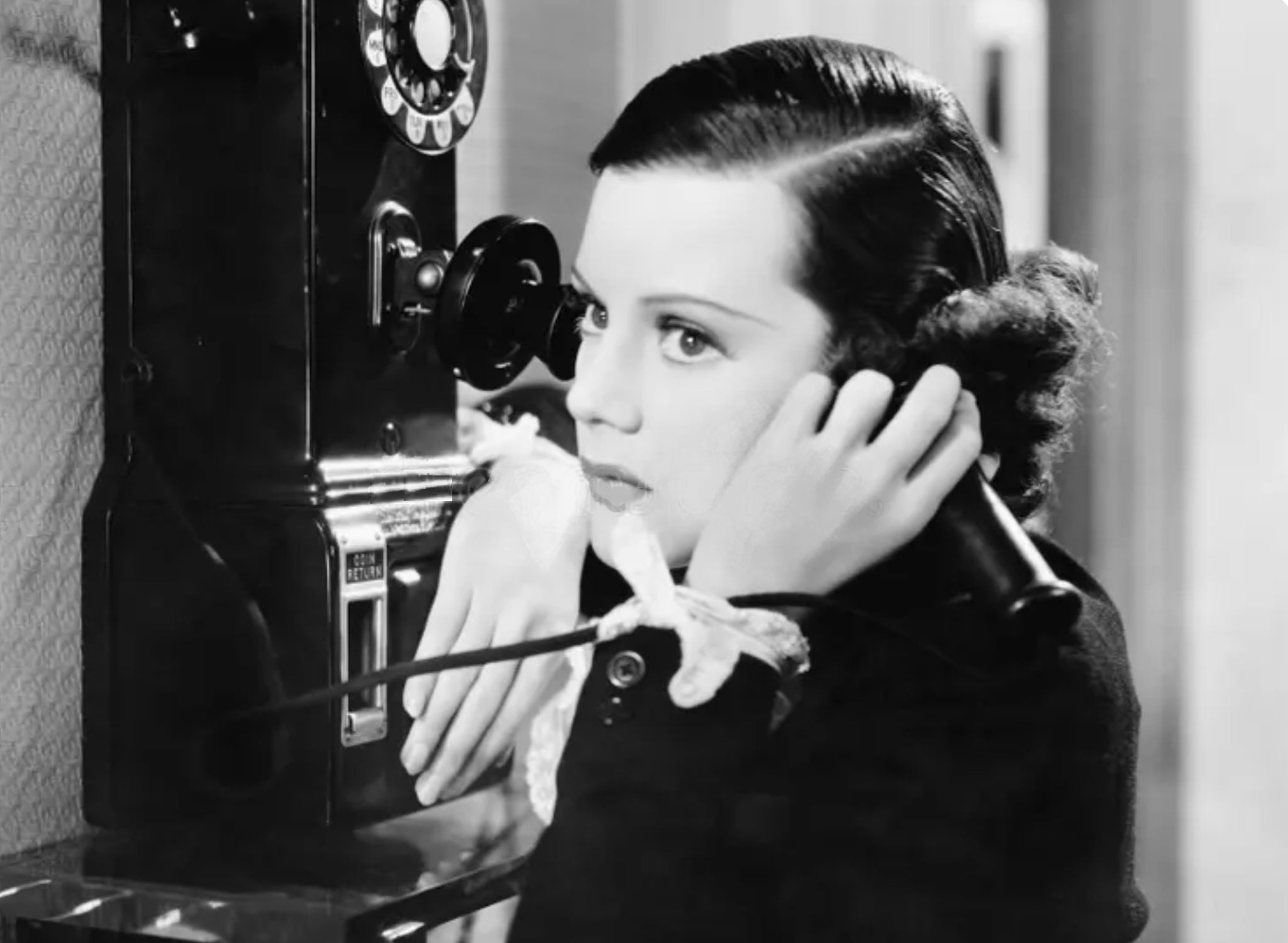
Another highly significant device of the last century was the rotary dial telephone. It was at the very beginning of the 20th century that a new technology emerged—the rotary dial, which allowed subscribers to dial a number themselves by turning a round disc with numbers. This system gradually spread to many cities in Great Britain, including Birmingham.
Interesting fact: the first models of rotary dial telephones came into use as early as the 1910s, but they only became widespread after the Second World War, when the telecommunications infrastructure was undergoing rapid modernisation.
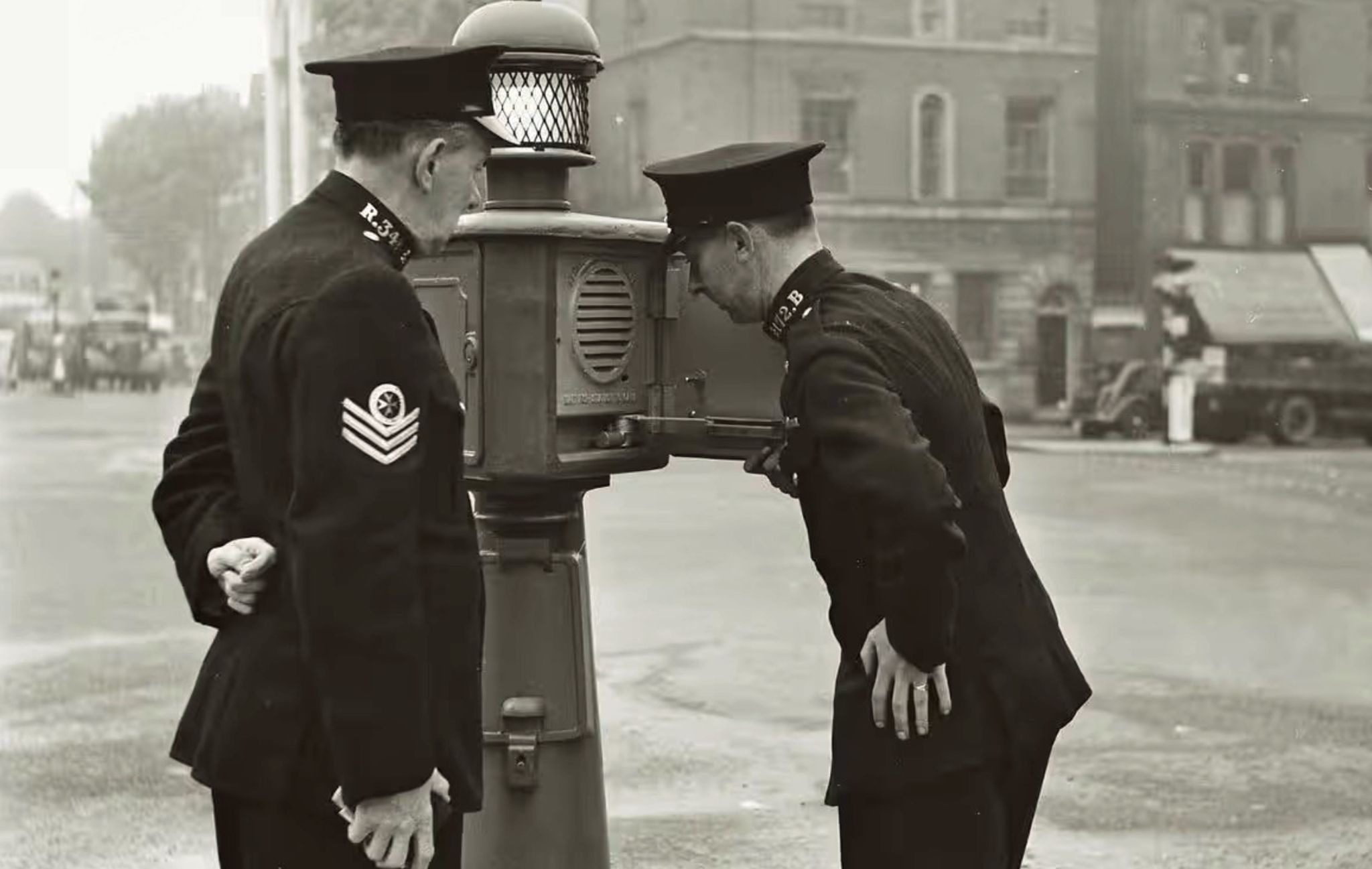
In many offices in Birmingham, the telephone sat right on the manager’s or secretary’s desk. It was used to arrange supplies, agree production plans and keep in touch with partners in other cities across the UK.
It is true that, in the mid-20th century, by no means every British family had a telephone at home. Consequently, many people used public telephone boxes, which were installed on busy streets and near transport hubs.
The red telephone boxes became particularly recognisable and eventually came to be seen as one of the symbols of British cities.
The history of the development of calculators
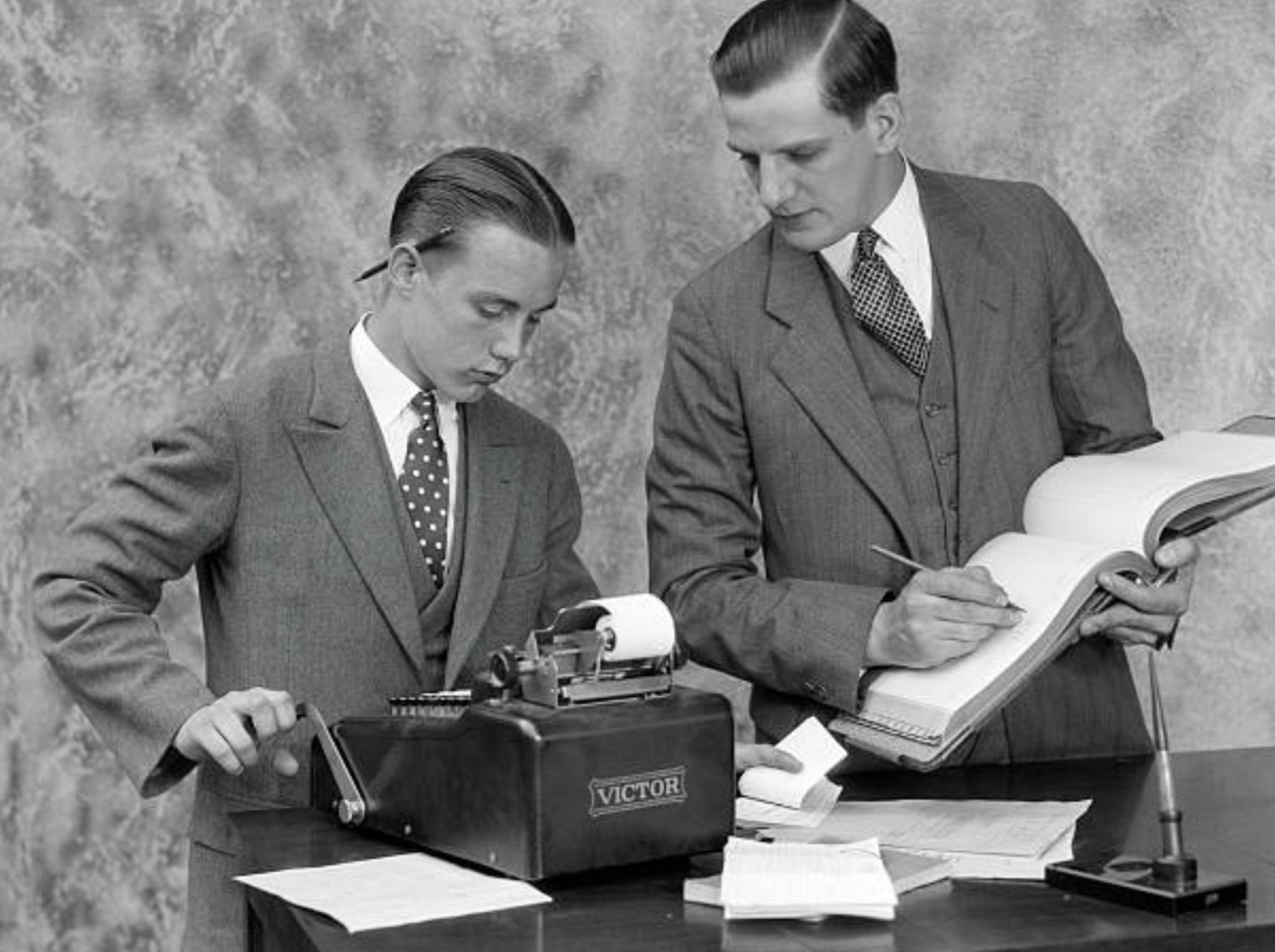
The need to perform mathematical calculations quickly led to the invention, in the 20th century, of another essential device of the time: the compact electronic calculator. In the 1960s and 1970s, advances in microelectronics had already made it possible to create devices capable of performing arithmetic operations quickly. Many companies began manufacturing portable, battery-powered calculators with digital displays.
The first electronic calculators were quite expensive. In the 1970s, they cost the equivalent of several weeks’ wages for an average worker.
Early models often featured LED or cathode-ray tube screens. Later, liquid crystal displays appeared, which consumed significantly less energy. In addition, some early calculators used small printing mechanisms that immediately printed the result on a paper tape. Such models were particularly popular in accounting departments.
Calculators significantly sped up financial and technical calculations. This was particularly important for large-scale manufacturing, where it was necessary to work with figures on a constant basis. Over time, calculators became more compact and cheaper, and many of their functions were taken over by personal computers.
The symbol of mobile communications in the 1990s—the pager
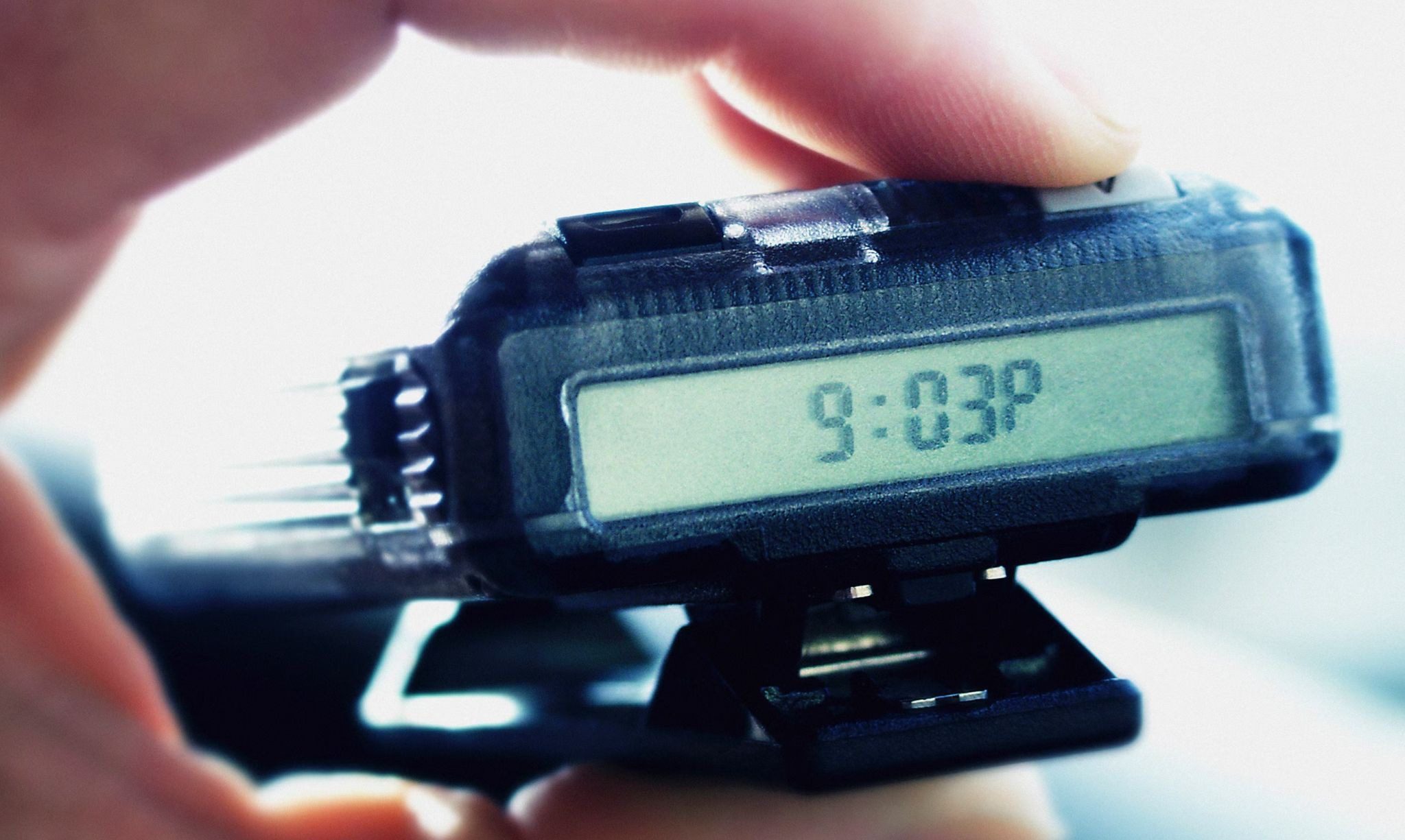
And now for one of the last gadgets of the last century used by the people of Birmingham. The pager, or ‘beeper,’ became one of the most iconic communication devices of the late 20th century. The first paging systems began to be developed as early as the 1950s for medical services that needed to quickly call doctors.
However, pagers really came into their own in the 1980s and 1990s, when paging networks began to expand rapidly in many countries. Incidentally, the name ‘beeper’ came about because of the characteristic sound it made—a short ‘beep’ that alerted the user to a new message.
How did a pager work? It was a small, portable device that received signals from a dedicated radio network. When a message was received, the pager would emit an audible or vibrating signal. Early models could only display the phone number that needed to be called back. Later versions supported short text messages.
It got to the point where some users devised their own ‘codes’ using numbers to convey short phrases. In the 1990s, pagers were widely used by professionals for whom it was important to stay in touch, even when away from the office. In Birmingham, such devices were used by doctors and medical staff, businesspeople, courier services, emergency and technical service workers, and so on.
Pagers were usually worn on a belt or carried in a pocket, which made it possible to quickly receive messages at any time. In the late 1990s, the situation began to change. Mobile phones became more affordable, and the short message service (SMS) allowed people to communicate directly.
Meanwhile, in the 1990s, there were several paging companies operating in Birmingham, notably Pager Call Systems Ltd and Best 4 Business Communications Ltd. They supplied local businesses and organisations with pagers and other communication devices that were common at the time.
Devices change, but Birmingham keeps moving forward
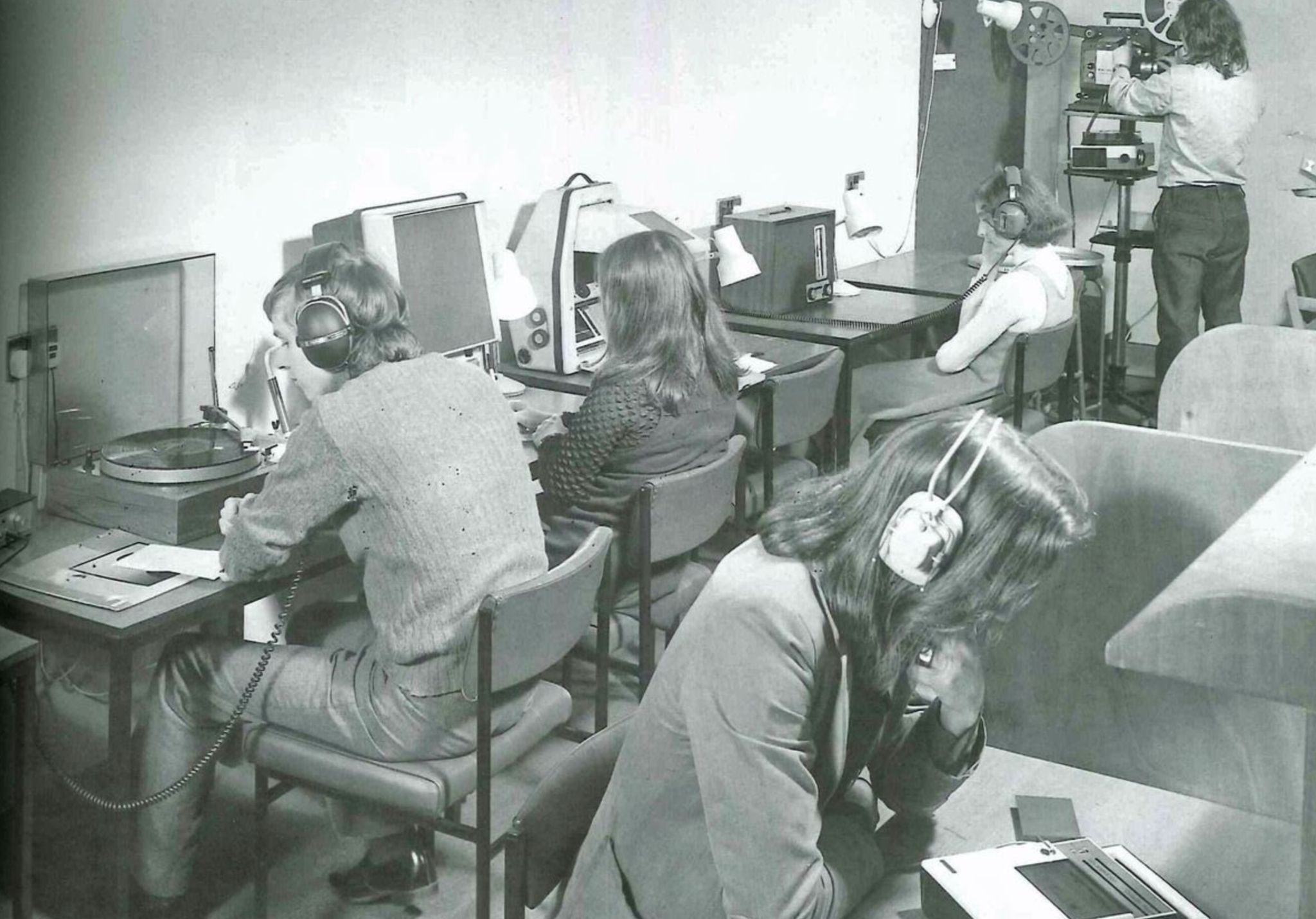
Technology is changing much faster than it might seem at first glance. Devices that were considered state-of-the-art in the 20th century—from typewriters to pagers—are now, for the most part, merely a part of history. Yet, in their day, it was precisely these devices that helped people work faster, calculate more accurately and stay connected in the dynamic urban environment of Birmingham. For the industrial hub that the city was and remains, these technologies represented a crucial stage in its development.
Sources: