

Like many cities in nineteenth-century Britain, Birmingham’s population grew very rapidly. Much of the growth was driven by immigration from the surrounding counties, but people were also coming from as far north as Wales, East Anglia and London. Birmingham’s mortality rate, like many large cities, was well above the national average, but the birth rate was also high. Considering that Birmingham was officially little more than a village for most of its history, this growth was remarkable. During the Victorian era, it became the second most populous centre in England, and officially gained city status in 1889.
As Birmingham grew, pressure for housing development became increasingly acute, with greedy private landlords seeking to squeeze as many properties as possible onto as little land as possible. Building housing close to each other, essentially terraced houses that were one room deep, shared a back wall with another row of houses, and were attached to a courtyard, was considered the best possible model. Read more about Birmingham courtyards at birmingham-future.com.
Birmingham’s growth
Under the Municipal Corporations Act of 1835, Birmingham was granted the status of a municipal district in Warwickshire with an elected city council. In 1889, Queen Victoria granted Birmingham city status and it also became a county borough, which managed its own affairs.
During the second half of the nineteenth century, the areas closest to the city, with the exception of Edgbaston, were built up with middle-class housing. Very often it was a ribbon development on both sides of the road leading from Birmingham. Later, housing for craftsmen and workers began to appear. The point is that despite the rather “biting” prices of railway tickets, the middle class could afford to live in a place not necessarily near work.
This is confirmed by the fact that suburban developments usually appeared after the construction of a local railway station. Later, in the last quarter of the nineteenth century, routes to the new suburbs were laid for cheaper trams and buses, which further contributed to the further growth of construction in remote areas.
Specifics of the construction of worker’s housing
As for the centre of Birmingham, until the 1870s it was surrounded by working-class housing, including Hockley, Loseley, Nechells, Duddeston, Saltley, Deritend, Highgate, and Ladywood. Of the central districts, only Edgbaston was not inhabited by workers, and it remained a district for the wealthy.
Houses were usually built with local bricks from clay quarries and brickworks. In those days, land for development was advertised on the basis of its clay reserves. Most houses were covered with Welsh slate, which was delivered by canals.
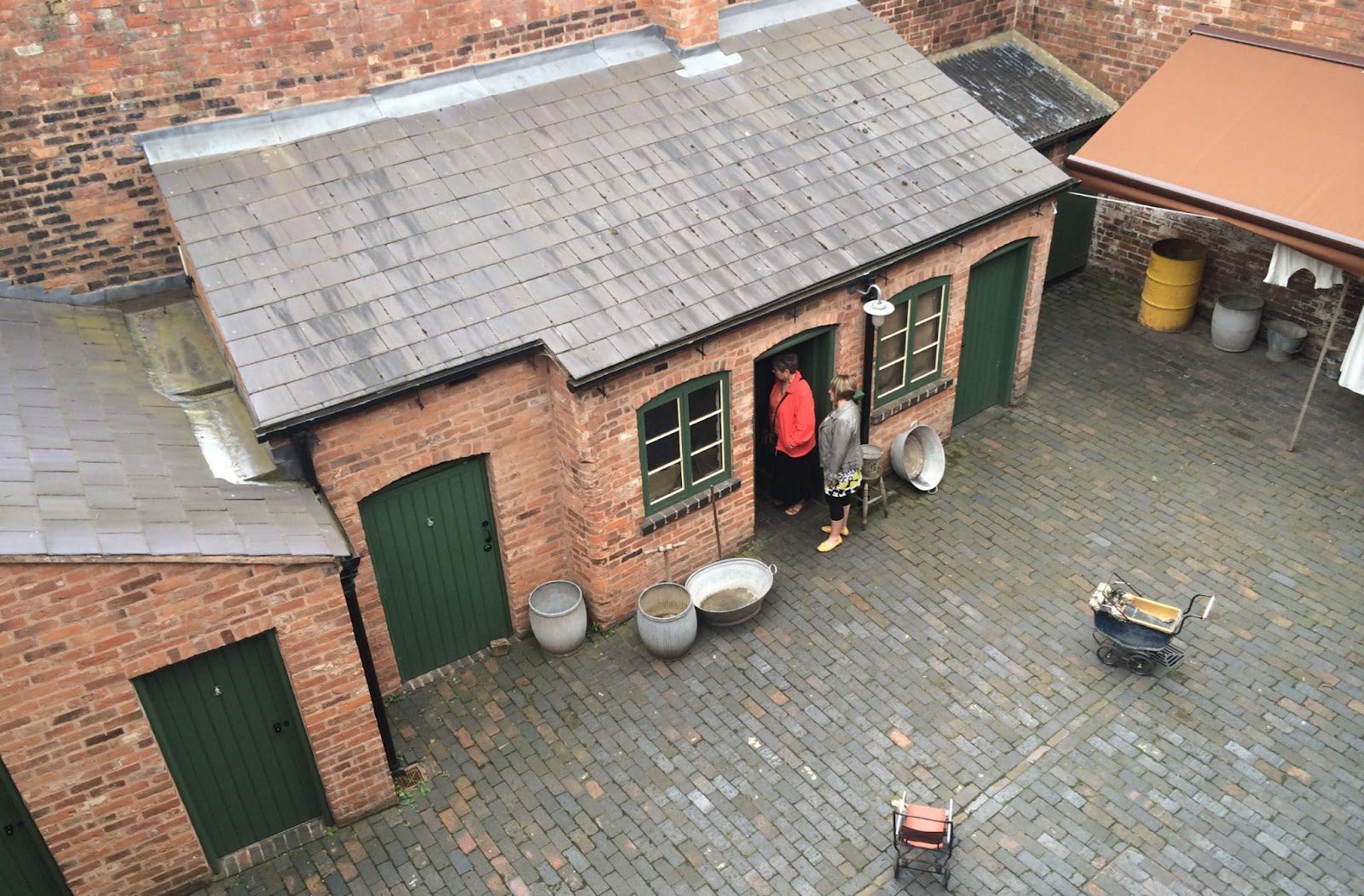
However, many of the houses were arranged back to back, two rooms upstairs and two downstairs, or even one upstairs and one downstairs, with shared outdoor toilets and laundry facilities in a common courtyard. A large number of these houses survived until the 1950s, and some until the 1970s. However, from the late 1870s onwards, new ordinances set minimum housing standards. Consequently, better quality houses were built in a further concentric circle, moving beyond the previous urban area in Rotton Park, Hockley, Vinson Green, Lowells and Nechells, and further afield in Highgate, Sparkbrook and Small Heath.
But it was in those days of the nineteenth century that the term “back to back” appeared in Birmingham construction. It was a Birmingham yard that once dominated the cities of the Midlands. Back then, people from all over the world came to Birmingham to work and live side by side in these houses, which now reveal the history of the working class of the nineteenth and twentieth centuries in a very vivid way.
“Back to back”
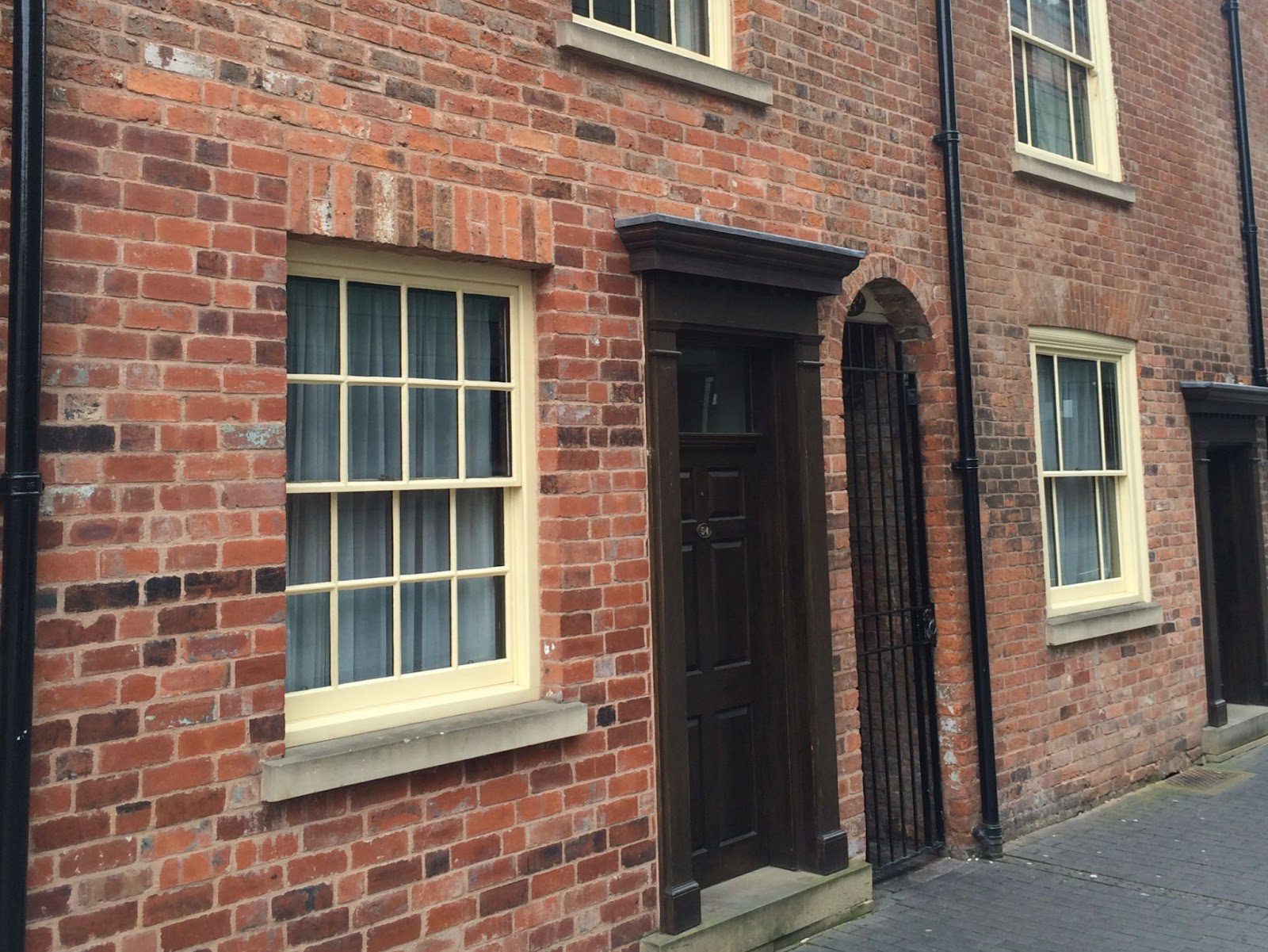
“Back-to-back” houses were literally built back to back, quickly and cheaply, with the outer houses facing the street and the inner houses facing a common courtyard. Although the walls between the houses were only a single brick thick, making them a very noisy place to live, the lintels over the doors and bay windows at the back indicated that they were better built than many others in the area.
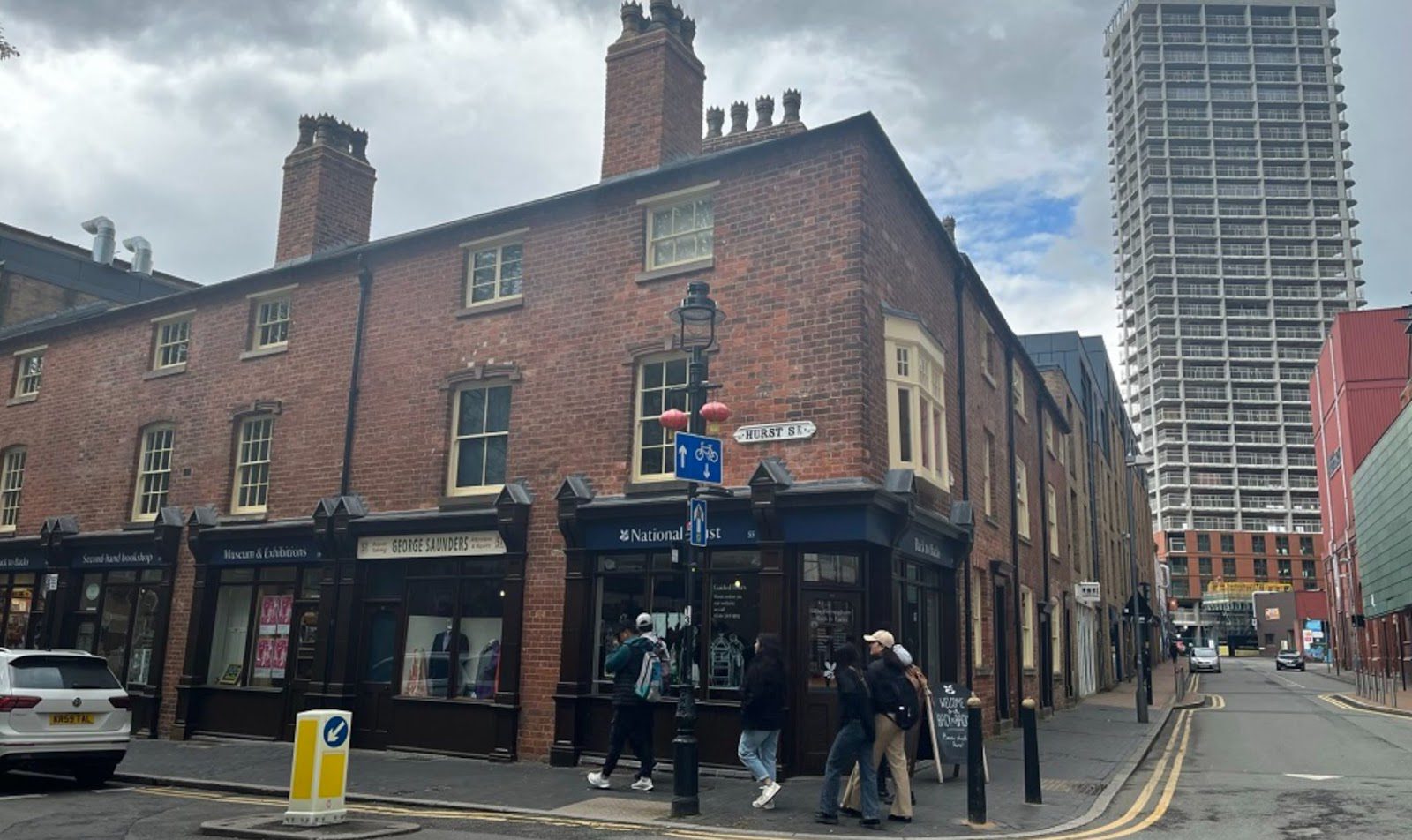
By 1896, all the houses facing Hearst Street had become shops, and this remained the case until 2002, when all these premises were vacated.
Everyone who lived in such housing, located next to each other, or in a “courtyard” house, shared a common laundry room and a small number of street toilets, which contributed to poor sanitation. For example,25 such a courtyard of 11 houses could be home to 60 people, and there were only four latrines for them to use.
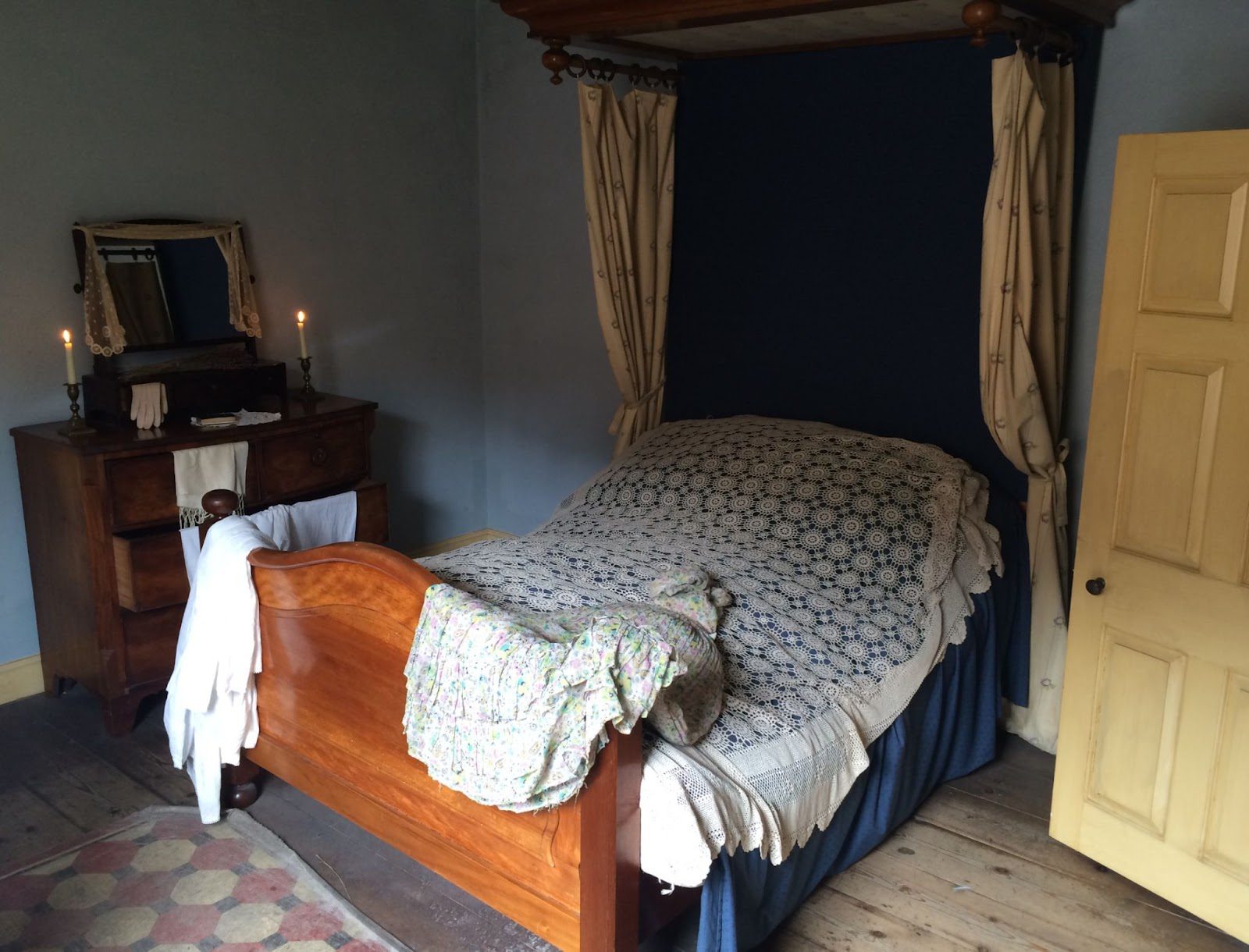
Add to that the fact that many families took in lodgers to make it easier to pay the rent, which was commonplace. Moreover, lodgers often shared a bedroom with the family’s children, separated from them by a makeshift curtain. In such living conditions, the bathing procedure involved placing metal tubs in the yard over a fire and trying to bathe in them without touching the wall of the tub to avoid burning yourself. This kind of washing was done once a week, and afterwards a person would become not much cleaner than before.
So it is absolutely logical that such houses were condemned. This happened in the 1930s. The premises were classified as unsanitary places to live. But, as is often the case, people lived there until the 1960s. Although by then these houses were not just unsanitary, they had become structurally unsafe.
Meanwhile, since the 1870s, there has been pressure to rid Birmingham of these “rookeries” in the city centre. Joseph Chamberlain protested against them at city council meetings, saying that the population was being brought up in damp, dark, gloomy courtyards and alleys that could be seen all over the city. He also noted that people in such dwellings are surrounded by harmful influences of various kinds and placed in conditions in which even common decency is impossible.
But the removal of these dwellings was not an easy task, for as late as 1875 almost half the population of Birmingham lived in such houses. Nevertheless, new houses were built, and the back-to-back houses were demolished. Although there were some exceptions to the rule. By the way, there was another reason for the popularity of such houses. It is about their cheapness during construction, and therefore significant profitability for landlords.
“The Last of the Mohicans”
Nevertheless, by the 1970s there were hardly any houses left that were close to each other. Only one slightly altered block in the city at the corner of Inge and Gerst streets survives. This house at 15 Gerst Street was supposed to be demolished in 1966, but it was never demolished, probably because of the shops that operated on the same street. In the 1990s, the property changed hands.
It came under the management of the Birmingham Conservation Trust, and after the completion of the renovation works, it was transferred to the National Trust. Thanks to the National Trust, it was restored in 2001.
At the moment, there are a lot of Victorian houses in some parts of Birmingham that have survived and are in decent and quite habitable condition. So why shouldn’t this soon be the case for people who don’t even have such homes?
Sources:
- https://www.nationaltrustscones.com/2023/05/birmingham-back-to-backs.html
- https://www.nationaltrust.org.uk/visit/birmingham-west-midlands/birmingham-back-to-backs/history-of-birmingham-back-to-backs
- https://billdargue.jimdofree.com/glossary-brief-histories/a-brief-history-of-birmingham/victorian-birmingham/#:~:text=By%20the%201870s%20the%20centre,upper%20and%20upper%20middle%2Dsuburb.