

The streaming business in Birmingham began its growth with an extensive network of video production companies and the development of the IT sector. The latter, incidentally, began to take shape as early as the 1960s and 1970s. A significant catalyst in the development of the streaming business was investment in the industry by global players.
Birmingham is now the BBC’s second base, which is helping to significantly accelerate the development of the local media infrastructure. In recent years, namely in 2024–2025, the city has attracted investments from such giants as Netflix. At the same time, Birmingham is actively developing its own streaming companies and media platforms, such as UK Media City. For more details, see: birmingham-future.com.
Streaming context
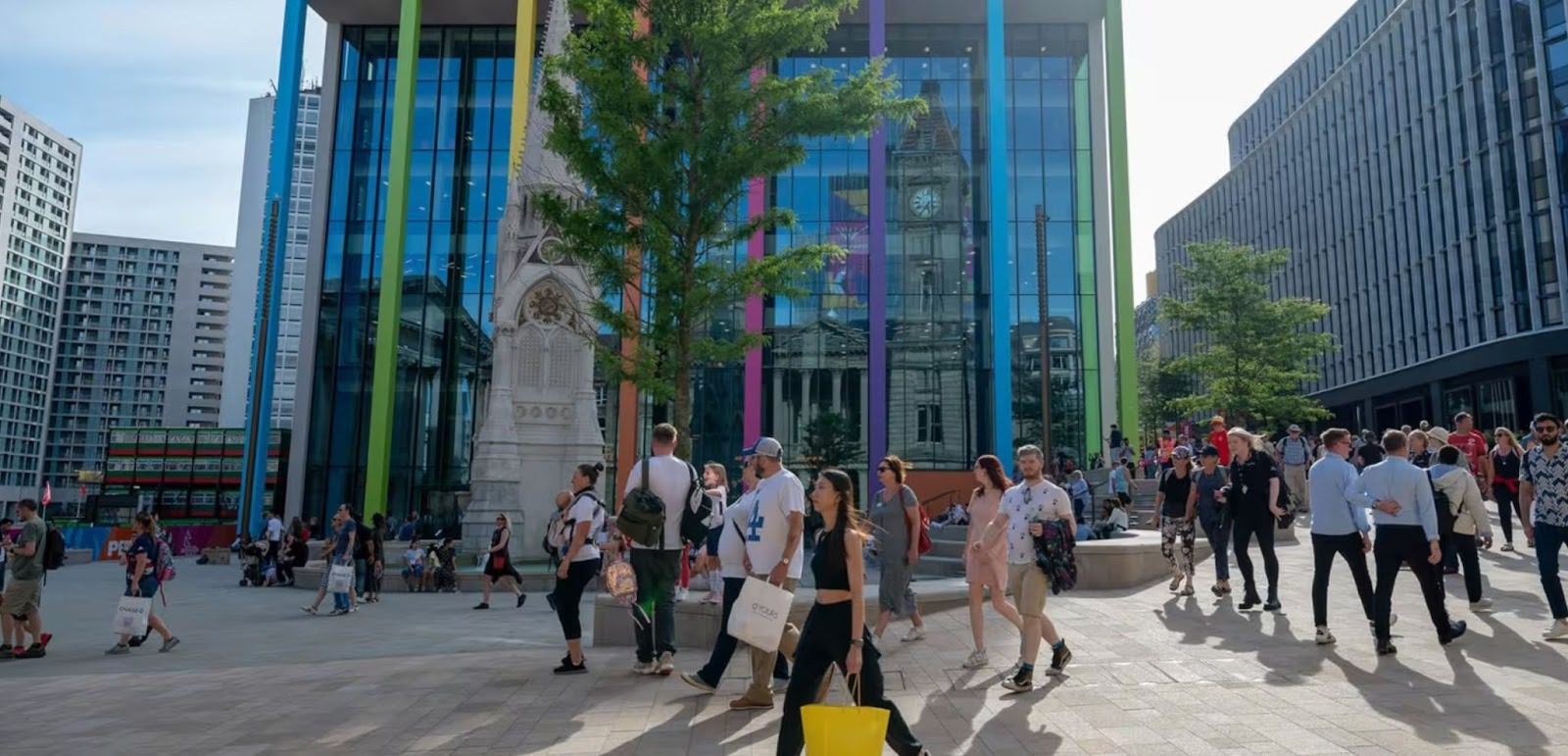
Before talking about the Birmingham-based streaming company UK Media City, a few words about Birmingham’s special role in the history of the media and industry in the United Kingdom as a whole, as these two sectors are closely linked. As is well known, Birmingham is associated with the industrial revolution, metallurgy, and manufacturing.
But it is impossible to live solely on past achievements, as the world is constantly developing and improving. Therefore, the city gradually underwent economic and cultural restructuring, beginning in the second half of the 20th century. This transformation paved the way for new sectors, including such modern and creative industries as media and digital technologies.
Birmingham is not only a large regional metropolis, but also one of the main media centres outside London. For decades, the city has been home to major audiovisual infrastructure, including television studios, independent production companies and regional branches of national broadcasters. The BBC’s historic presence in the West Midlands has also played a significant role, contributing significantly to the training and education of skilled professionals and the creation of a sustainable media ecosystem.
Since the early 2000s, Birmingham has also become an important centre for creative industries. Public and private initiatives support the development of film, television, music and digital technologies. Spaces such as the Custard Factory in Digbeth are becoming symbols of these changes. Former factories are being transformed into places where start-ups are conceived, creative studios and technology companies are established. This rapid dynamic has inevitably attracted a new generation of specialists in the field of media and audiovisuals.
In this context, streaming and broadcasting technologies are finding a very favourable environment. Demand for live broadcasting, signal transmission and audiovisual production services is growing, driven by cultural events, institutions, businesses, and international communities present in the city. And since Birmingham is also known for its considerable ethnic and cultural diversity, this creates specific needs for broadcasting abroad, in particular, via satellite and the Internet.
Streaming. Start
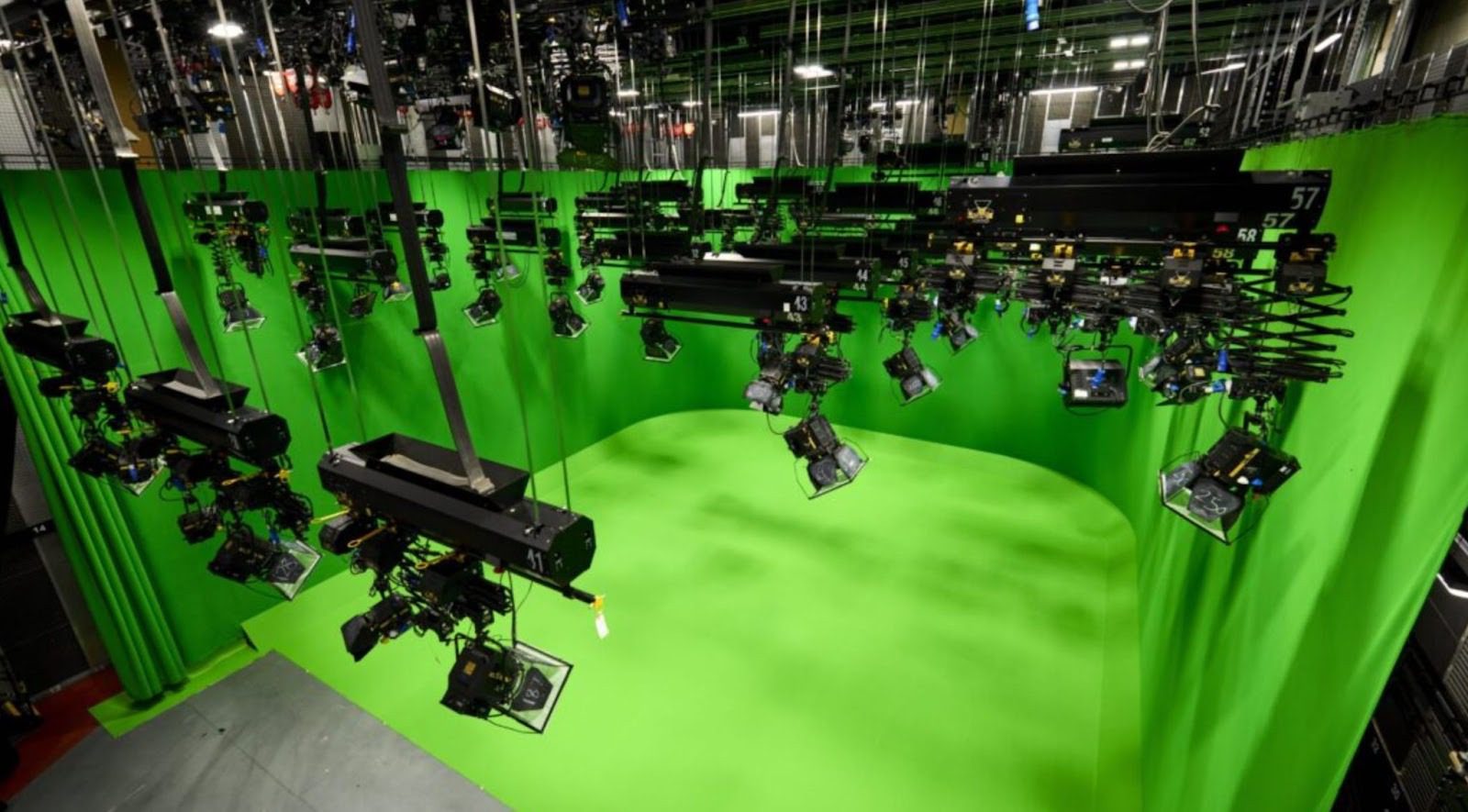
It is in this environment that UK Media City operates. The company does not position itself as a producer of cultural content in the traditional sense. Rather, it is a technical participant necessary for the functioning of both the local and national media ecosystem. UK Media City participates in the creation of the so-called “invisible infrastructure” of the media, which allows images and sound to cross borders and reach the most remote audiences.
It is clear that the location of UK Media City in Birmingham is no coincidence. It reflects the city’s position as a crossroads between industrial tradition and digital innovation. By offering satellite broadcasting, live-streaming and professional broadcasting services, the company meets the needs of a diverse media network consisting of both local organisations and international clients. In this way, it fits into a broad network of technical companies, manufacturers, and broadcasters that make Birmingham a fully-fledged media centre.
It should also be noted that the example of UK Media City illustrates another significant trend in the contemporary audiovisual landscape. This is the partial decentralisation of media activities and their spread beyond London. In this context, Birmingham is becoming a place where small companies can not only develop steadily, but also rely on the local community, strong infrastructure and constant demand for broadcasting services.
From this perspective, UK Media City contributes not only to the development of the local economy, but also to rethinking the role of large regional cities in the era of streaming and digital communication.
Three centres
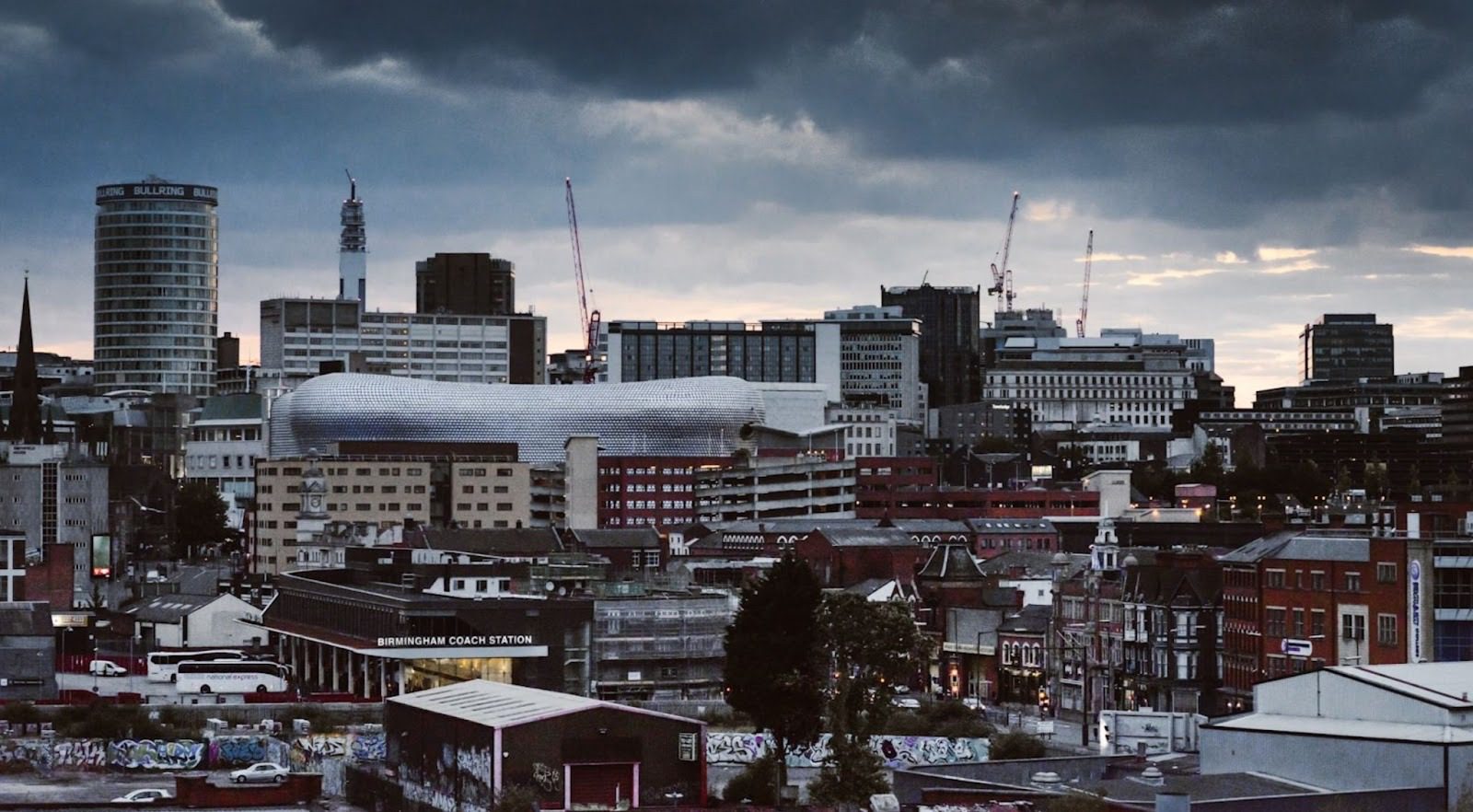
To make this review more objective, here are a few words about how streaming services work in other cities in the UK. It is well known that Birmingham, Manchester, and Leeds are the three main regional centres in the country’s modern media landscape. Each of these centres embodies a specific model of development for the audiovisual and digital industries. Therefore, comparing these cities will provide a better understanding of the special place that Birmingham occupies and, as a result, companies such as UK Media City.
Let’s start with Manchester, often considered the media capital of Northern England. The creation of MediaCityUK in Salford, a city in Greater Manchester, is considered a turning point in the decentralisation of the British media. The location of the BBC and ITV in this complex has led to an exceptional concentration of financial, technical and human resources.
The Manchester model is therefore based on a strong presence of major national players, international visibility and intensive content production for a wide audience. This centralisation has clearly contributed to large-scale innovation, but at the same time, there is less room for small independent structures.
As for Leeds, it has a more developed, fragmented and specialised model. The city has always been an important centre for digital media, journalism, information technology and online content production. Unlike Manchester, instead of relying on large symbolic infrastructures, Leeds relies on a dense network of medium-sized companies, digital agencies and start-ups. As a result, this approach promotes flexibility, experimentation, and diversification of formats, particularly in the streaming and interactive media industries.
Features of Birmingham
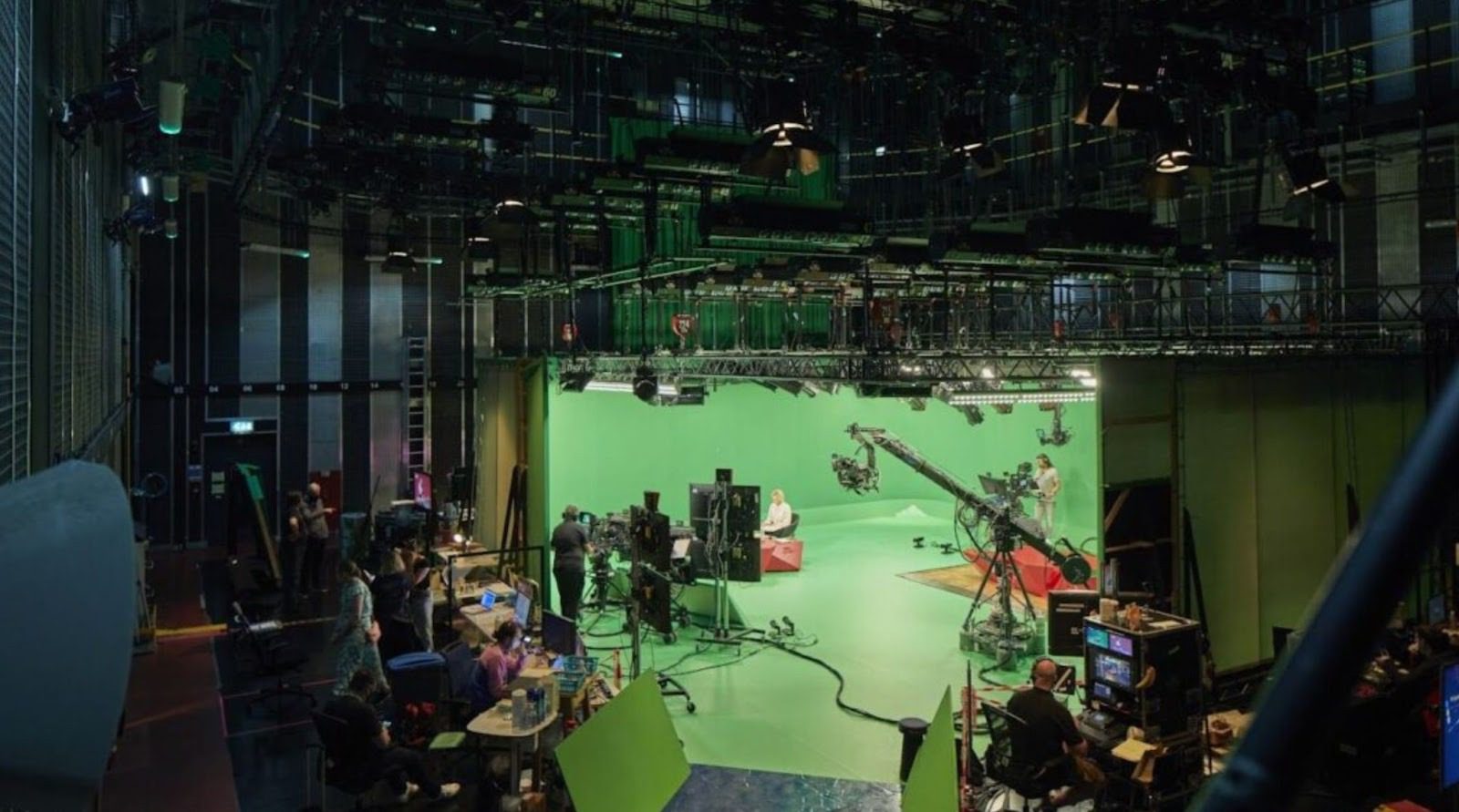
What makes Birmingham unique is that it occupies an intermediate position between these two models. Unlike Manchester, it is not a hub for major national broadcasters, but it does have a long-standing media ecosystem that is deeply rooted in the city’s industrial and cultural history. And unlike Leeds, Birmingham has a slightly broader demographic base and exceptional cultural diversity, which creates specific needs in audiovisual broadcasting, particularly for international audiences.
It is therefore clear where companies such as UK Media City have to find their place in this intermediate space. The company embodies a model based on providing specialised technical services rather than large-scale content production. Thus, Birmingham appears to be a favourable environment for the emergence of players capable of combining the heavy infrastructure of traditional broadcasting with the new requirements of digital streaming.
Sources: