

In the summer of 1879, Henry Pierce, who worked at a machine factory on Broad Street, had Birmingham’s first telephone on his desk. By the time this telephone exchange opened, Mr. Pierce had managed to convince 12 customers to sign up for a special introductory price of £10 per year. A room in Exchange Chambers on the corner of New Street and Stevenson Place was chosen as the headquarters for the Midland Telephone Company.
Then, within a year, another telephone exchange opened in Wolverhampton, followed quickly by others in Aston, Smethwick, and the Jewellery Quarter. The process of telephoneization had begun in Birmingham. For more details and interesting facts about the emergence of telephone communication in Birmingham and England in general, visit birmingham-future.com.
Alexander Bell’s invention
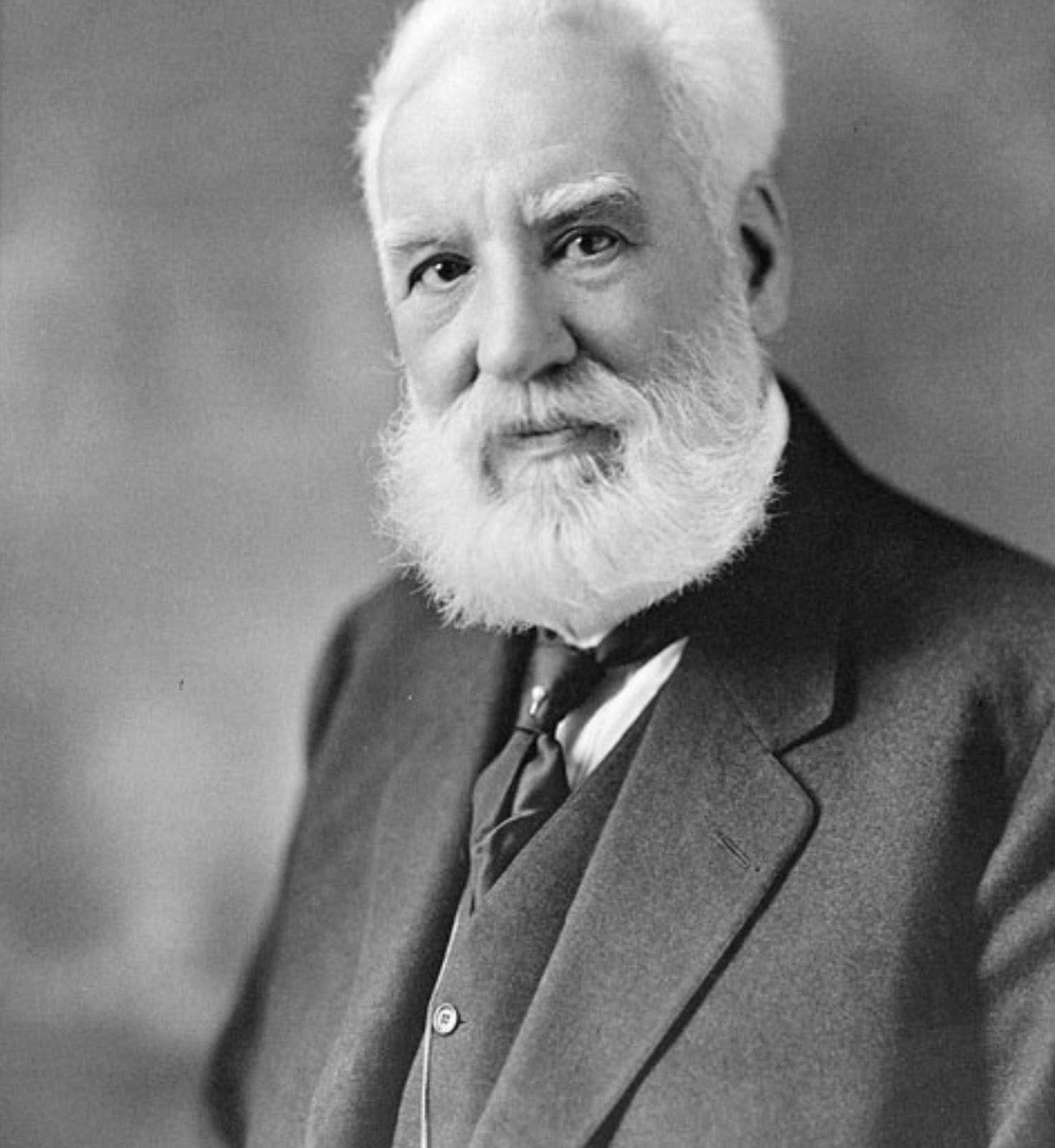
The history of the telephone began in the mid-19th century. At that time, humanity was searching for ways to communicate instantly over long distances. Various inventors made the first attempts to transmit the human voice using electric current, but Alexander Graham Bell became the most famous. This Scottish-born inventor worked in the United States.
In 1876, he created a device capable of transmitting voice over wires and obtained a patent for the “telephone.” At the same time, other inventors, including Elisha Gray, conducted their experiments that confirmed the potential of the new technology.
Be that as it may, the telephone quickly attracted the attention of industrialists and government agencies. By the end of the 1870s, the first devices had reached Great Britain, where they were demonstrated in large cities. Birmingham, as an important industrial center of the country with numerous factories, banks, and government institutions, became a logical place for the introduction of the telephone.
The first devices came from the United States and England, and inventors held demonstrations in Birmingham offices, paving the way for the creation of a full-fledged telephone network. The city and its residents quickly realized that the telephone was not just a toy, but a powerful tool for economic development and social integration.
The arrival of the first telephone in Birmingham
The first telephone in Birmingham appeared in 1879 thanks to Henry Pearce and the private company Midland Telephone Exchange Company, which obtained a license to serve the city. The first telephone exchange was located on the corner of New Street and Stephenson Place.
Initially, the network included only a few dozen subscribers—mainly banks, large enterprises, and government agencies.
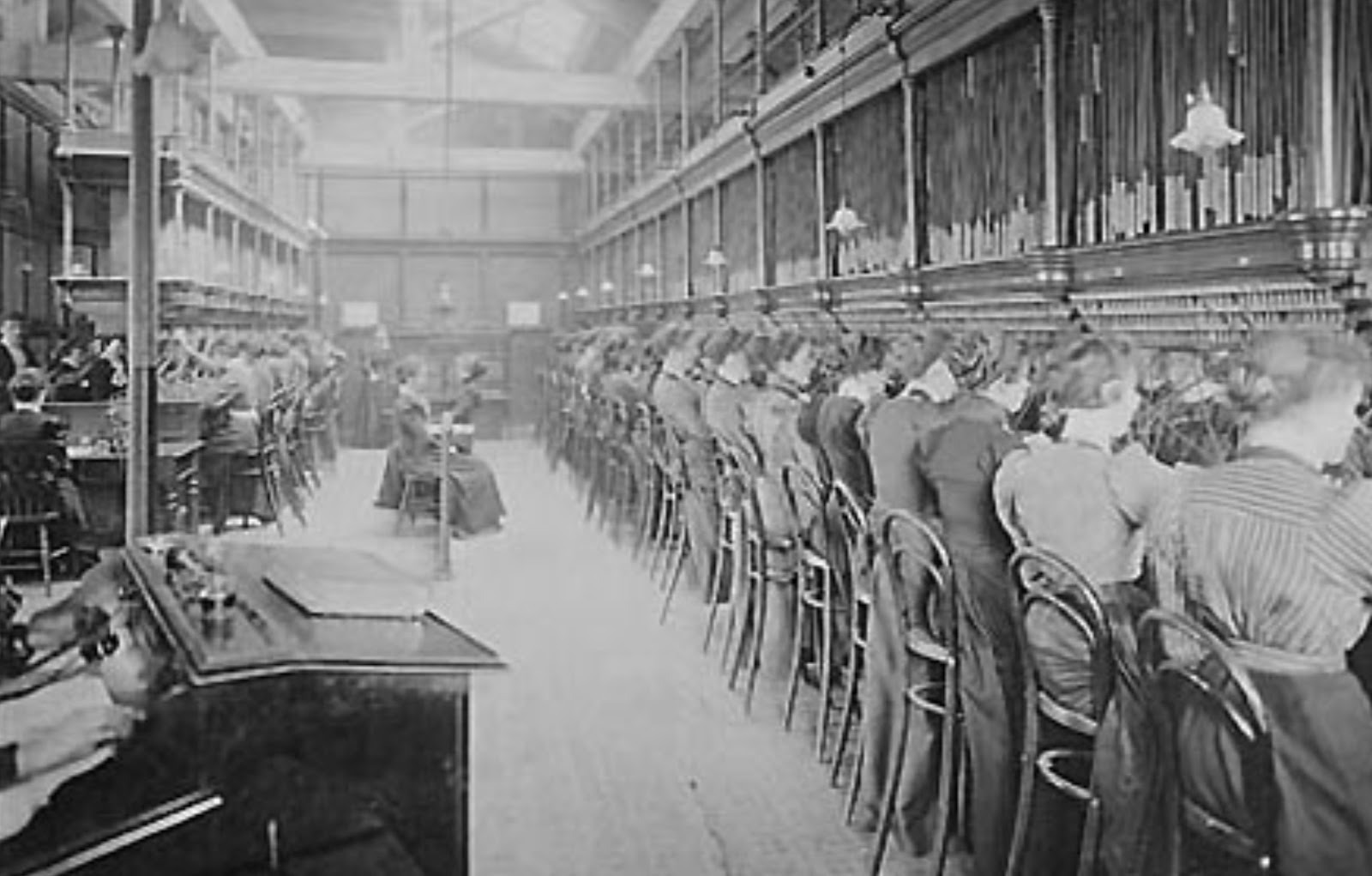
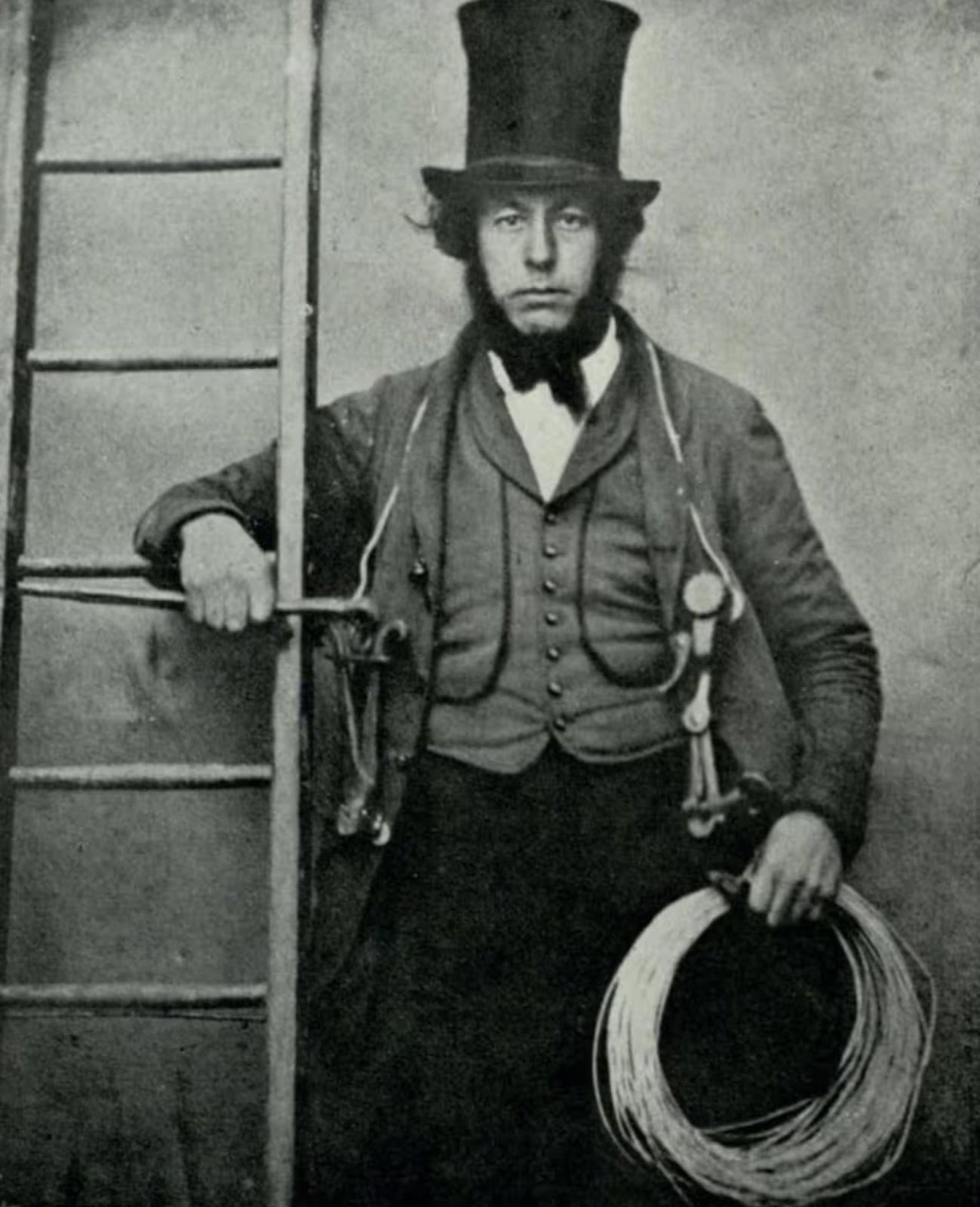
At that time, laying wires was a rather difficult task. Wires were strung on wooden poles and building facades and laid along streets and intersections, overcoming engineering difficulties. Subscribers called each other through manual switches, which were operated by operators—mostly women.
They manually connected the lines, allowing people to talk between different points in the city. The conversations were short and businesslike, but even then the telephone proved its indispensability. After all, businesses gained the ability to instantly transmit orders and requests, and city residents could communicate over long distances.
And it was thanks to this first step that the telephone ceased to be a luxury and gradually became part of everyday life for the people of Birmingham, becoming a symbol of technological progress.
Network development and construction of telephone stations
By the end of the 19th century, the telephone network in Birmingham had expanded.
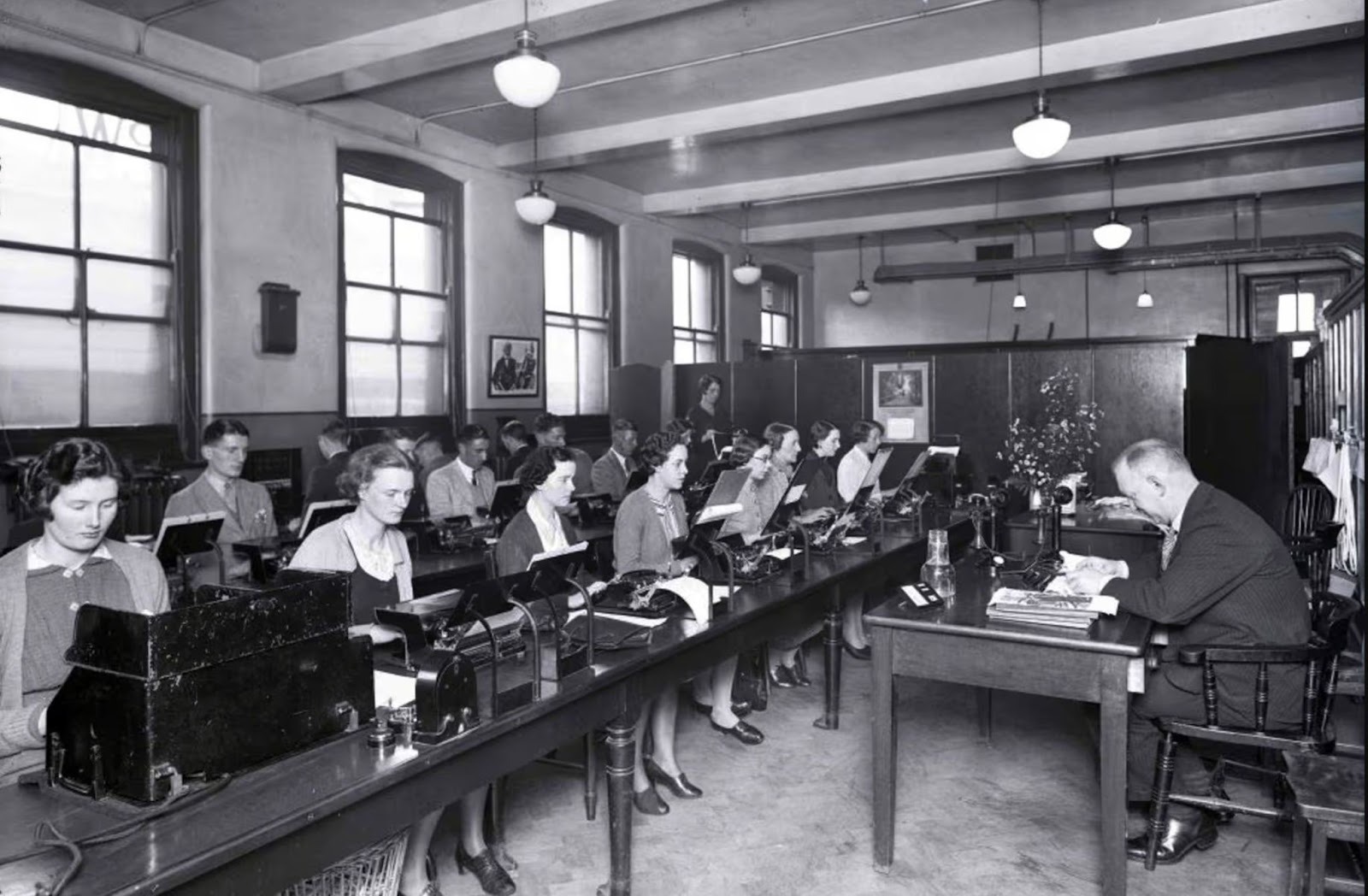
In 1887, a building was erected at 17 and 19 Newhall Street, known as the Bell Edison Telephone Building. It became the city’s central telephone exchange. All lines were connected here, switches were installed, and equipment was modernized. At the same time, additional stations were opened in different areas to provide access to the network to as many subscribers as possible.
By the beginning of the 20th century, the number of subscribers had grown to hundreds, and the telephone had become not only a business tool, but also a part of everyday life. New companies appeared that laid lines, serviced equipment, and trained operators. In the 1930s, Telephone House was built on Newhall Street—a special building for centralized network management, which housed automatic stations and administrative services.
The telephone became widespread, and Birmingham became one of the best-equipped cities in the UK in terms of telephone stations. Moreover, the infrastructure did not stand still but continued to develop: underground nodes were built, switches were modernized, and the city was prepared for long-distance and international communications.
Birmingham telephone numbers
Until the mid-20th century, telephone numbers in Birmingham still had an alphanumeric structure. The first letters of the exchange name were included in the subscriber’s number, for example, “EX1234”. This system made calls difficult, especially long-distance ones.
Therefore, in 1966–1969, all-figure dialing was introduced—numbering using only digits. This allowed the network to be standardized, connection speeds to be increased, and long-distance calls to be simplified. Subscribers were able to dial numbers themselves, without the help of operators. Additional conveniences appeared, communication reliability improved, call processing was accelerated, and the telephone became accessible to the general public.
Thanks to these innovations, Birmingham established itself as a city with a developed telephone infrastructure. The landline telephone became not only a business tool but also a part of everyday life: people could instantly connect with each other, and businesses gained new opportunities for coordination.
The importance of telephony and the emergence of mobile communications

The landline telephone in Birmingham changed the city forever. It brought people closer together, accelerated business processes, and made communication an integral part of local life. Thanks to the construction of stations, the development of the network, and the introduction of numbers, the telephone became an everyday necessity, without which it was difficult to imagine the city functioning.
Although landline telephones laid the foundation for modern communications, the history of communications did not stop there. The advent of the world’s first mobile phone—the Motorola DynaTAC 8000X in 1973—and the first mobile call in the UK in 1985 ushered in a new era in which it was possible to make calls regardless of location. Birmingham, as one of the largest industrial and business cities, was among the first to gain access to mobile communications.
Mobile coverage in Birmingham is currently provided by major British operators offering 4G and 5G coverage throughout the city. The main networks are EE, O2, Vodafone, and Three. They have active base stations and provide mobile data and voice call coverage for subscribers with modern smartphones.
Within Birmingham and the West Midlands region, coverage is high in most areas, but within some buildings or in densely populated areas, there may be differences in signal quality depending on the operator. In addition to the major brands, there are also virtual operators that lease network resources from large companies, offering budget tariffs. These are essentially low-cost telephone services.
Nowadays, most people, both in Birmingham and around the world, use mobile devices, and the number of landline phones in the city has decreased significantly, although they have not disappeared completely. But that’s a different story.
Sources: