

Churches have been an integral part of the English landscape long before the Norman Conquest. These sacred buildings stood as visible symbols of divine presence, cherished for the significant moments they bore witness to and adorned by the craftsmanship of stonemasons, artists, and artisans. St. Bartholomew’s Church in Edgbaston, Birmingham, is a prime example of such heritage. This historical church is much more than a place of worship; it is a repository of community memory, artistic beauty, and tranquility amidst the modern chaos. Next on birmingham-future.com.
The Construction of the Chapel
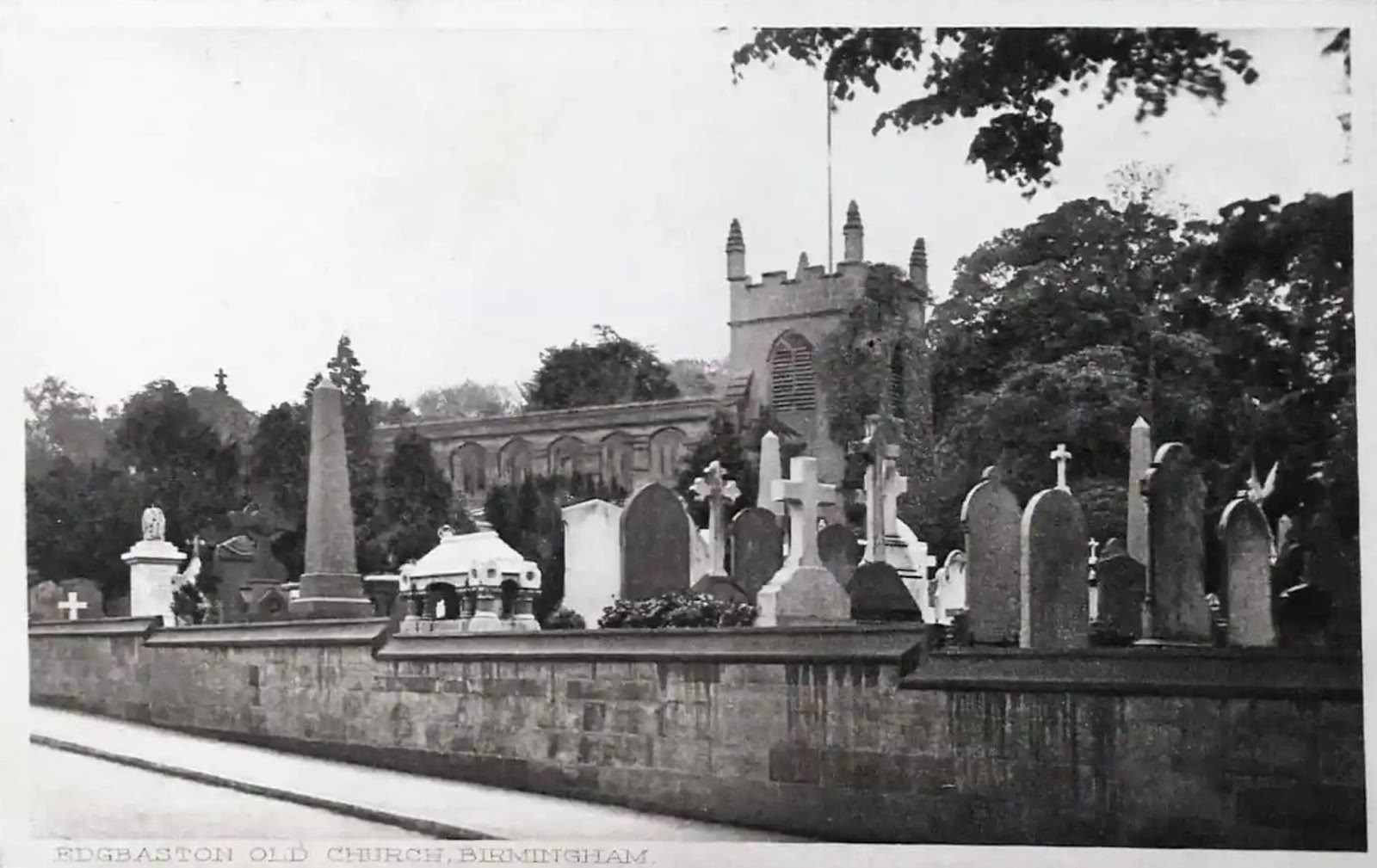
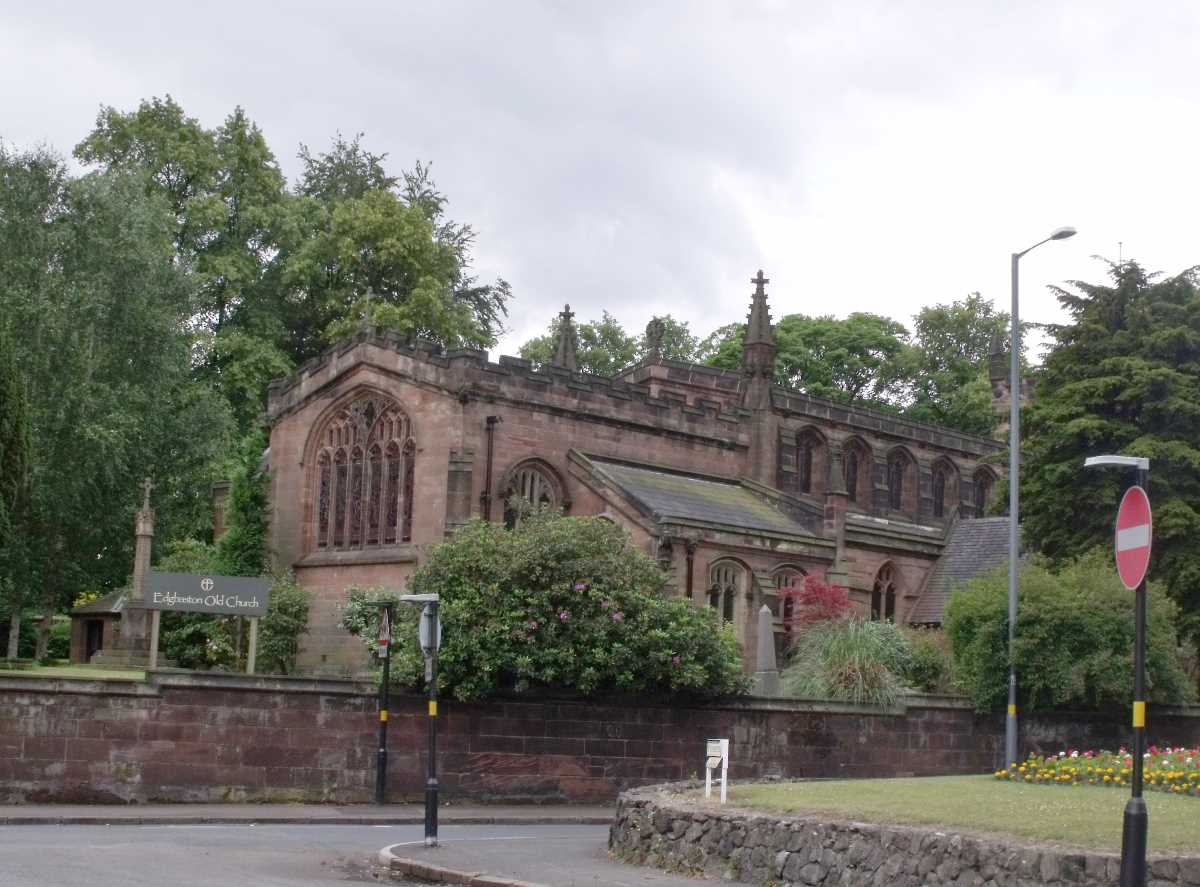
Dating back to the medieval era, St. Bartholomew’s Church encapsulates the essence of an Anglican parish church with its ancient yews, lanterns, and memorials in the side chapels. Located in the serene district of Edgbaston, near the University of Birmingham campus, it was initially a private chapel built by Henry de Edgbaston in the 1270s.
The chapel, first mentioned in a 1279 legal dispute, initially consisted of the current nave’s length and tower width. In the late 15th century, Richard Middlemore, the lord of the manor, added a north aisle, and in 1530, his widow, Margery, constructed the tower.
The Pillage by Roundheads
During the English Civil War, the church suffered significant damage under the Roundheads, led by Colonel Tinker Fox. The lead from the roof was melted into bullets, while wood and stone were repurposed for barricades at Edgbaston Hall. The nave was used as stables for horses, and the church remained in ruins for over a decade until funds for restoration were raised.
In 1658, the restoration was estimated at £800, a considerable sum for the Edgbaston community. Permission was granted to collect funds from neighboring counties, including Warwickshire and Staffordshire. Sir Richard Gough, who acquired the manor in 1717, supervised and financed the reconstruction, completing the church’s restoration by the early 18th century.
Restoration by Julius Alfred Chatwin
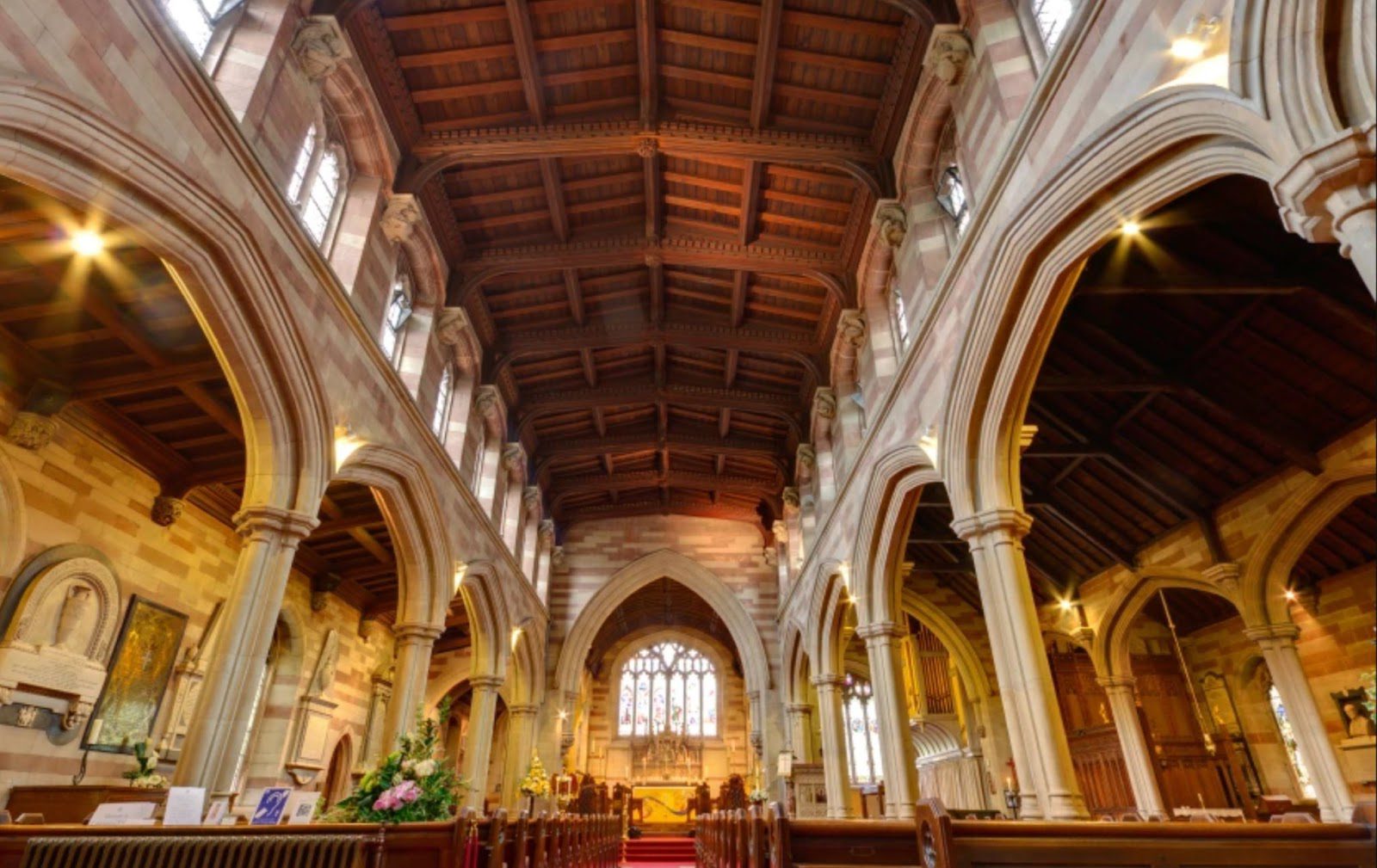
The 19th century saw further modifications, with the addition of a south aisle in 1856 and later renovations to accommodate Edgbaston’s growing population. In 1885, renowned Birmingham architect Julius Alfred Chatwin led a major restoration, adding a chancel, transepts, and intricate gothic details to the church.
Chatwin, known for designing and restoring numerous Birmingham churches, infused the building with a Victorian interpretation of medieval aesthetics. His designs reflected a connection to the medieval heritage, offering a nostalgic spiritual space for the congregation.
Historical Grade II Listing
In 1982, St. Bartholomew’s Church was granted Grade II listed status for its architectural and historical significance. Among the notable figures associated with the church is Dr. William Withering, a botanist and physician who discovered the medical use of foxglove. His memorial, adorned with depictions of foxglove and Witheringia solanaceae, highlights his contributions to science and medicine.
The church’s memorials, stained glass windows, and artifacts reveal much about the history of Edgbaston and the lives of those who shaped it. These elements, crafted by master artisans, underscore the significance of Christian faith to the patrons who commissioned them.
St. Bartholomew’s Church remains a centerpiece of Edgbaston, embodying the traditional values of the Anglican Church with its rich adornments and stunning stained glass. It stands as a testament to the enduring faith, artistry, and community spirit of its parishioners across centuries.