

Birmingham is the second-largest city in the UK, where the streets were constantly filled with the hum of buses, the horns of commuter trains and the clatter of tram wheels. Here, the transport network is so extensive that the idea of building a metro seemed all the more obvious. But, as it turned out, constructing a traditional underground metro system proved to be quite uneconomical and technically challenging.
Consequently, the Birmingham authorities decided instead to create a light rail system—the West Midlands Metro—which seamlessly connects the city centre with the suburbs and provides fast and convenient travel for thousands of residents every day. The plan worked. It was this system that met the city’s needs, replacing what could have become a massive underground project. You can read more about all this here: birmingham-future.com.
The history of transport and the idea of a metro in Birmingham
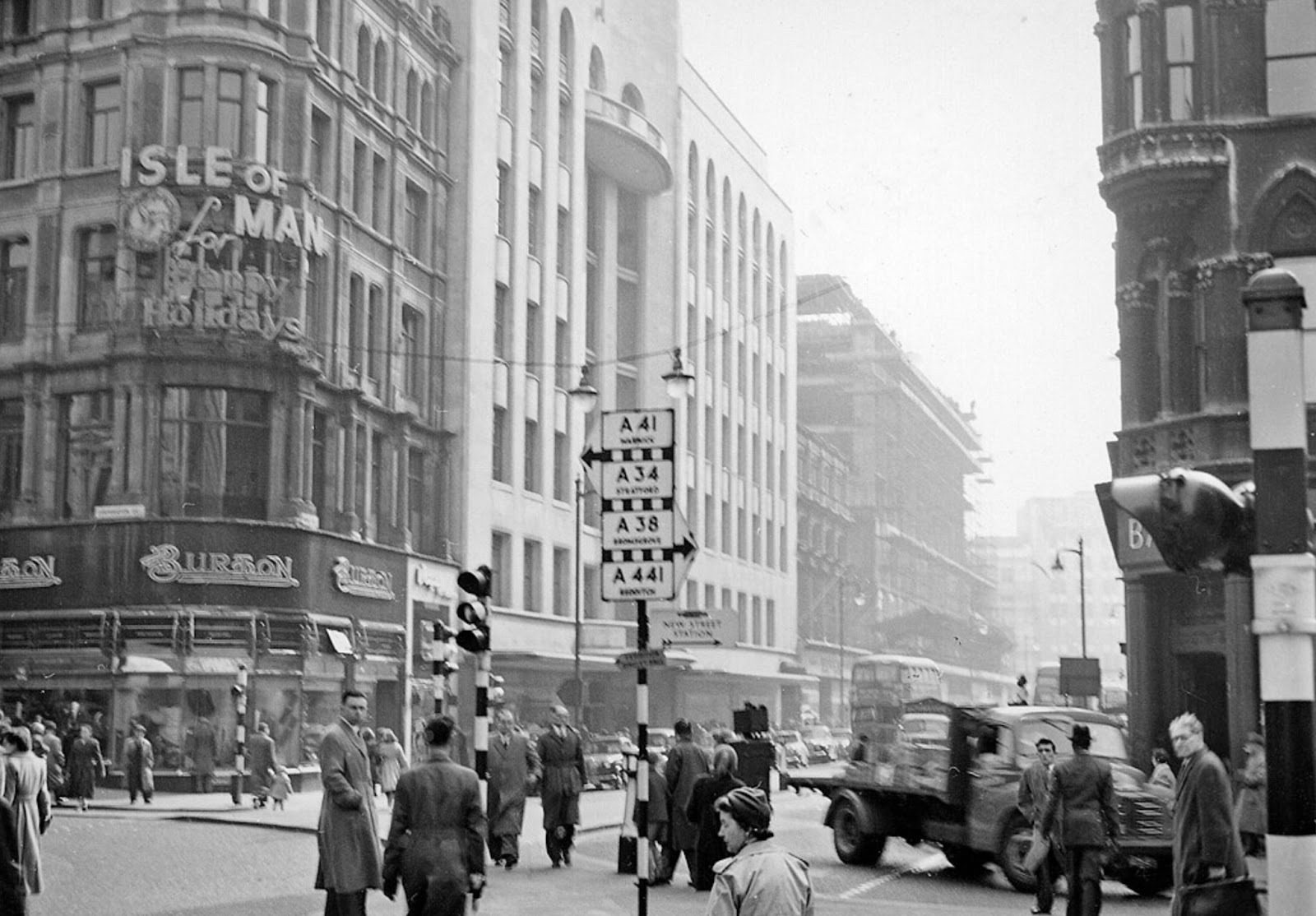
As early as the beginning of the 20th century, Birmingham was one of England’s industrial centres, and the city was actively developing its transport network. The streets were filled with both ordinary and horse-drawn trams, and later with buses, which served the numerous industrial districts and suburbs.
In the mid-20th century, the idea arose to build a fully fledged underground metro system, similar to the London Tube. The reasons behind this plan were clear: the city was growing, there were more and more cars, and heavy traffic in the city centre made it necessary to use a fast form of transport that would not get stuck in traffic jams.
It would seem that everything was clear, yet the implementation of the metro construction project ran into a number of serious problems. One of the most serious was financial constraints. The fact is that the construction of underground tunnels in densely populated areas required an extremely large investment. At that time, the city budget could not cover such expenditure without taking out substantial loans or receiving state support.
The technical challenges also proved to be extremely difficult. Birmingham’s ground conditions, the existing built-up area and the presence of underground utilities made tunnelling not just a difficult task, but an extremely difficult one. In many parts of the city centre, it was simply physically impossible to dig without risking damage to the surrounding buildings.
Therefore, given that a certain alternative already existed—a densely branched network of buses and commuter trains, which partially resolved the transport issue—it was decided that investing huge sums in its constructionseemed lessappropriate than modernising this existing system.
Political and social factors also played a significant role in the decision to abandon plans for a fully fledged underground system. At the time, the government and city authorities were cautious about allocating large sums to underground projects, given the economic crises and the need for post-war reconstruction of the city.
As a result, the idea of a full-scale underground system remained on paper, and the city opted for a more realistic solution, embarking on the creation of the West Midlands Metro light rail system. This system could be quickly and flexibly integrated into the existing transport infrastructure.
This example has shown that not all grand ideas are suitable for a particular city, even if they seem obvious at first glance. Birmingham opted for a practical approach, and today its tram system successfully fulfils the role of rapid urban transport, a function that was once intended to be taken on by the underground.
Bringing the Birmingham idea to life
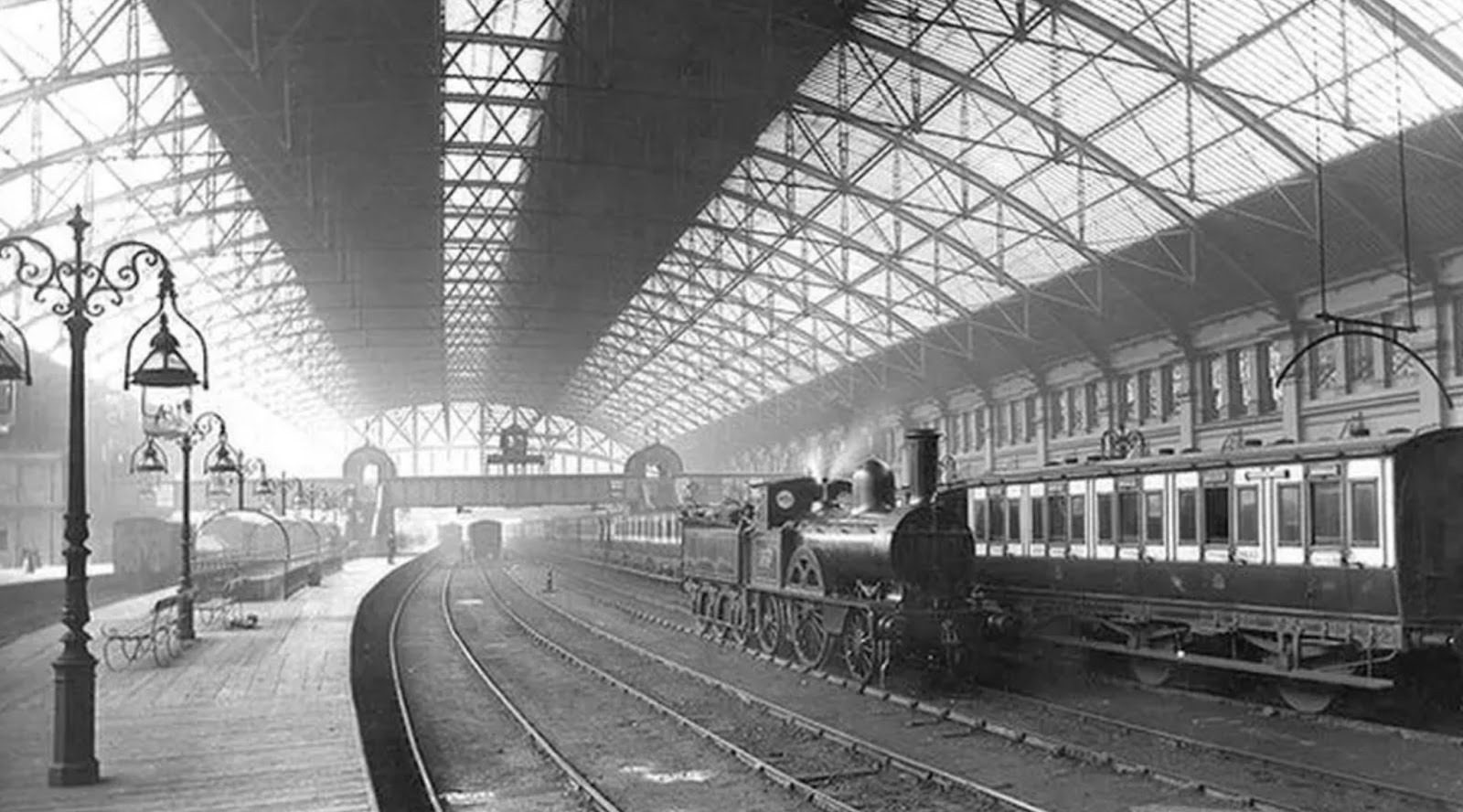
The West Midlands Metro project was launched in the early 1990s as a light rail system, capable of being rapidly integrated into the existing transport network of Birmingham and the surrounding towns. The aim was to provide passengers with modern, reliable and, above all, fast public transport that could complement the extensive network of buses and commuter trains.
The construction of the line was characterised by a number of distinctive features. A significant portion of the route was laid along old railway tracks, which made it possible to reduce construction costs and avoid large-scale demolition of historic buildings in the city centre.
This approach has also made it possible to preserve Birmingham’s architectural heritage and minimise disruption to residents. Consequently, in the very centre, the tram runs directly along the streets, alongside motor traffic, whilst outside the central districts it switches to its own tracks, which allows it to maintain a high speed and avoid traffic jams.
Similarly, during construction, particular attention was paid to modern technologies. Today, low-floor trams make the system accessible to people with disabilities and cyclists, whilst automatic signalling and traffic control ensure a safe and punctual service.
Interestingly, some sections of the line were laid through former industrial areas, where it was necessary to use special bridge structures and even partially restore old industrial overpasses to ensure an uninterrupted route. Furthermore, future line extensions were factored in at the design stage, enabling the gradual integration of new areas of Birmingham and the Black Country without the need to rebuild the main line.
Today, the West Midlands Metro connects Birmingham city centre with Wolverhampton and other suburbs, carrying thousands of passengers every day and effectively serving as the rapid transit system that was originally intended to be provided by an underground metro.
West Midlands Metro—Plans for the future
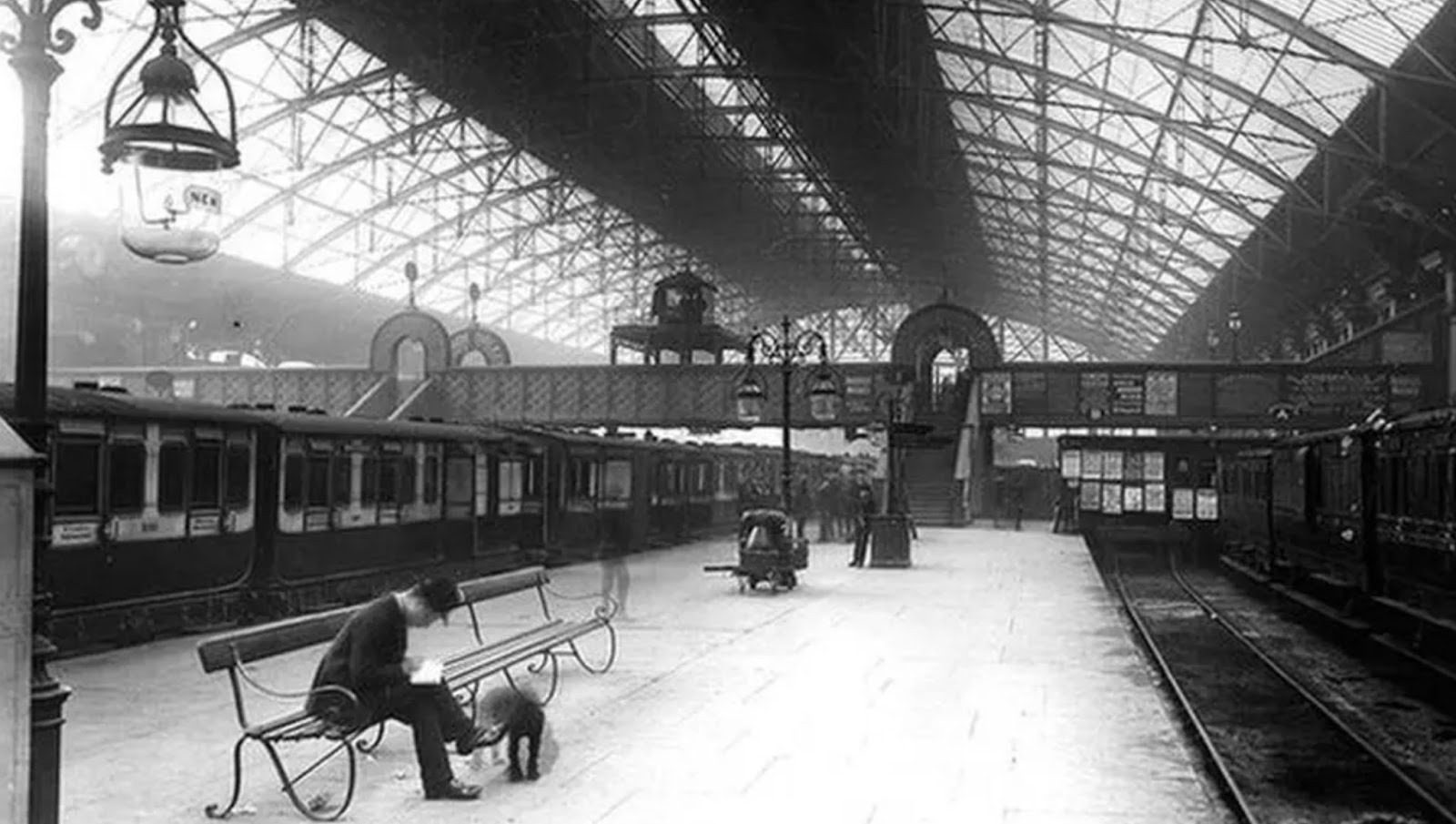
The West Midlands Metro is now the backbone of Birmingham’s rapid transit system. The system is particularly popular during rush hour, when morning and evening commuters and students travel to and from the city centre. At these times, trams run at high frequency, with services approximately every 8–10 minutes.
Using Birmingham Metro is quite straightforward. Passengers can purchase single-journey tickets and day or monthly passes, whilst modern mobile apps allow you to check timetables, buy tickets and plan your journey online. As the line runs alongside road traffic in the city centre and on dedicated tracks outside the centre, an optimal balance between speed and safety is ensured.
But time does not stand still. Birmingham continues to develop its transport network, and the West Midlands Metro is preparing for a major expansion. Projects have already been implemented that enable new areas of Birmingham and the Black Country to be connected.
In addition, new sections are being built to Dudley, Brierley Hill and Solihull. There are also plans to introduce additional routes designed to provide direct links to residential areas and commercial districts, as well as integration with buses and commuter trains.
This saving proved to be welcome
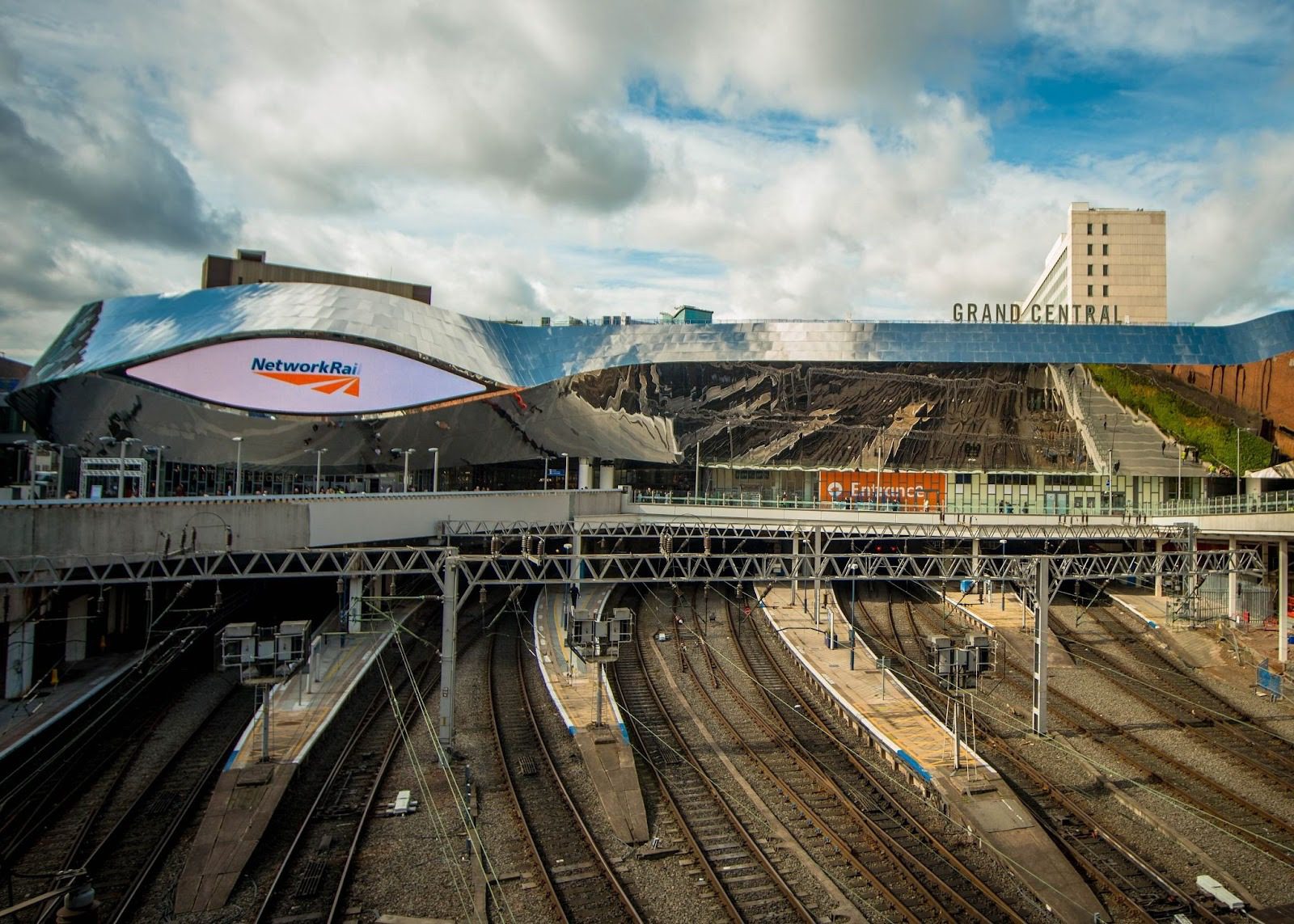
In conclusion, it can be said that the West Midlands Metro is an example of how a practical approach to urban transport can combine comfort, speed, and prospects for development. This demonstrates that even without a traditional underground metro, Birmingham is capable of providing a modern transport network for its residents.
This system has not only become a successful example, but has also demonstrated how, by prioritising practicality over grandiose plans, Birmingham was able to create modern and convenient transport for its residents. It also significantly saved its own funds at a time when they were sorely needed for post-World War II reconstruction.
Sources:
- https://www.gov.uk/government/news/spades-in-the-ground-on-295-million-west-midlands-metro-extension
- https://www.birmingham.gov.uk/info/50344/central_birmingham/1783/midland_metro_extension
- https://www.westmidlandsmetro.com/about/expansion/
- https://westmidlandsnetwork.co.uk/who-we-are/what-we-do/west-midlands-metro-tram-extensions/