

At the turn of the 19th and 20th centuries, Birmingham was like a respectable gentleman trying to make it to a business meeting but constantly getting stuck in the past. The city was entering a new era using rather anachronistic transport—horse-drawn carriages and the ‘conci’—a ’tram carriage on rails pulled by live horses rather than an engine. Consequently, the timetable depended more on the horses’ condition than on the needs of a major industrial centre. The industrial rhythm demanded speed, but, to be honest, hooves didn’t really cope with that.
But technological progress, as is often the case, did not ask for permission. Electric traction quickly changed the game. The first electric tram set off on its route along Bristol Road in 1901, demonstrating that overhead wires were far more reliable than any previous solutions. Over the following years, the city actively ‘switched to rails,’ and by 1904 municipal trams had become an everyday sight. And you can read in detail here about what else the city’s residents managed to ride during the turbulent 20th century: birmingham-future.com.
Birmingham’s Golden Age of Trams
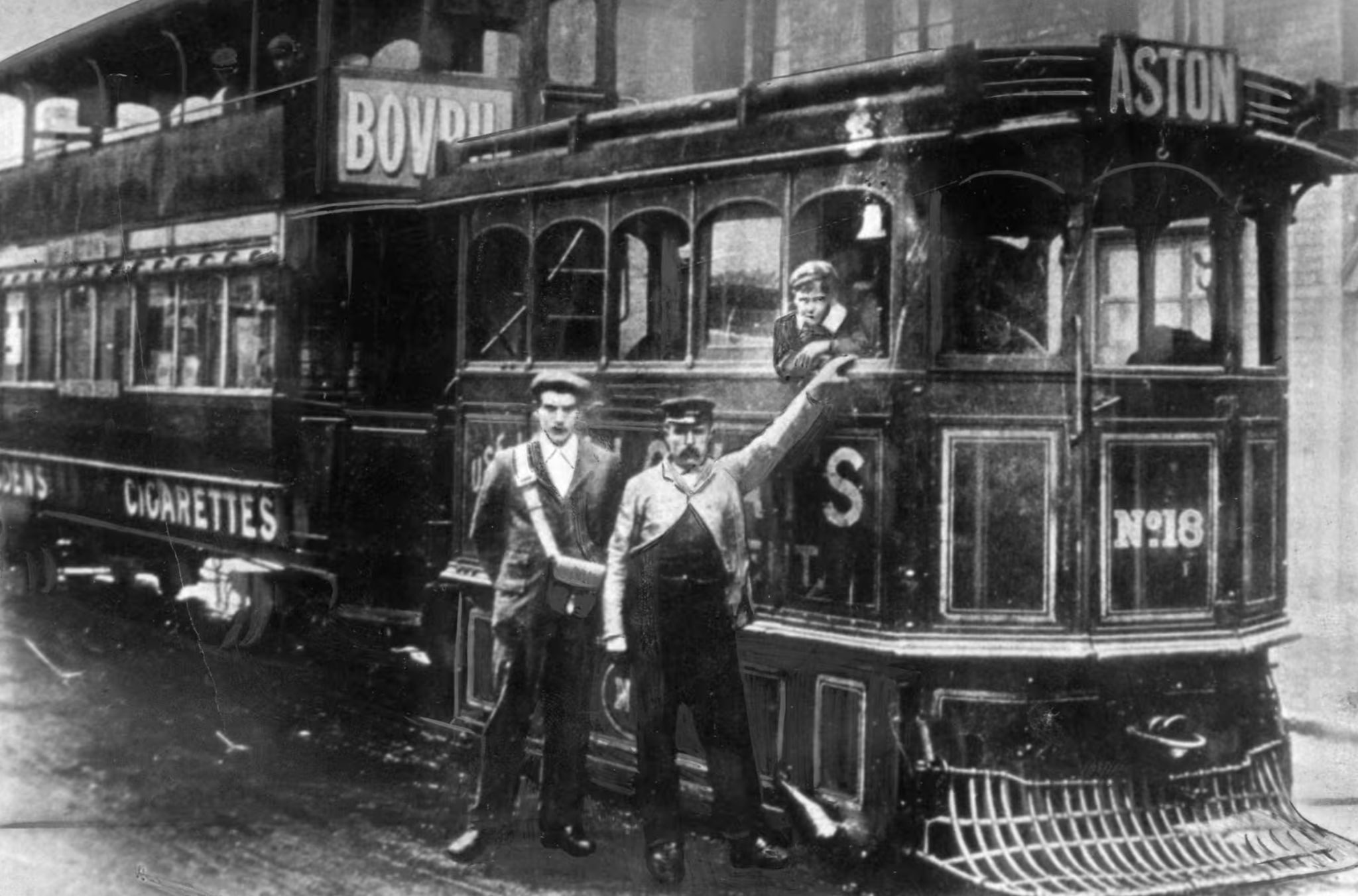
Incidentally, the old horse-drawn tram survived in Birmingham until 1906, after which it finally disappeared from the streets. Along with it, steam trams gradually became a thing of the past. Birmingham took on a new pace of life, where being late for work became much harder to explain away as mere chance. The age of electricity didn’t just change transport—it sped up the city itself.
By the early 20th century, Birmingham had made up its mind: the city was no longer prepared to wait for a horse to decide whether it was in the mood to work that day. The bet was placed on trams—and not symbolically, but quite literally. After the launch of the first electric routes in 1901, the tracks began to spread rapidly through the streets, as if the city were laying down a new nervous system for itself. By the mid-1900s, the network already covered dozens of kilometres of track, and above them appeared the characteristic rows of poles and wires, without which the new transport simply could not exist.
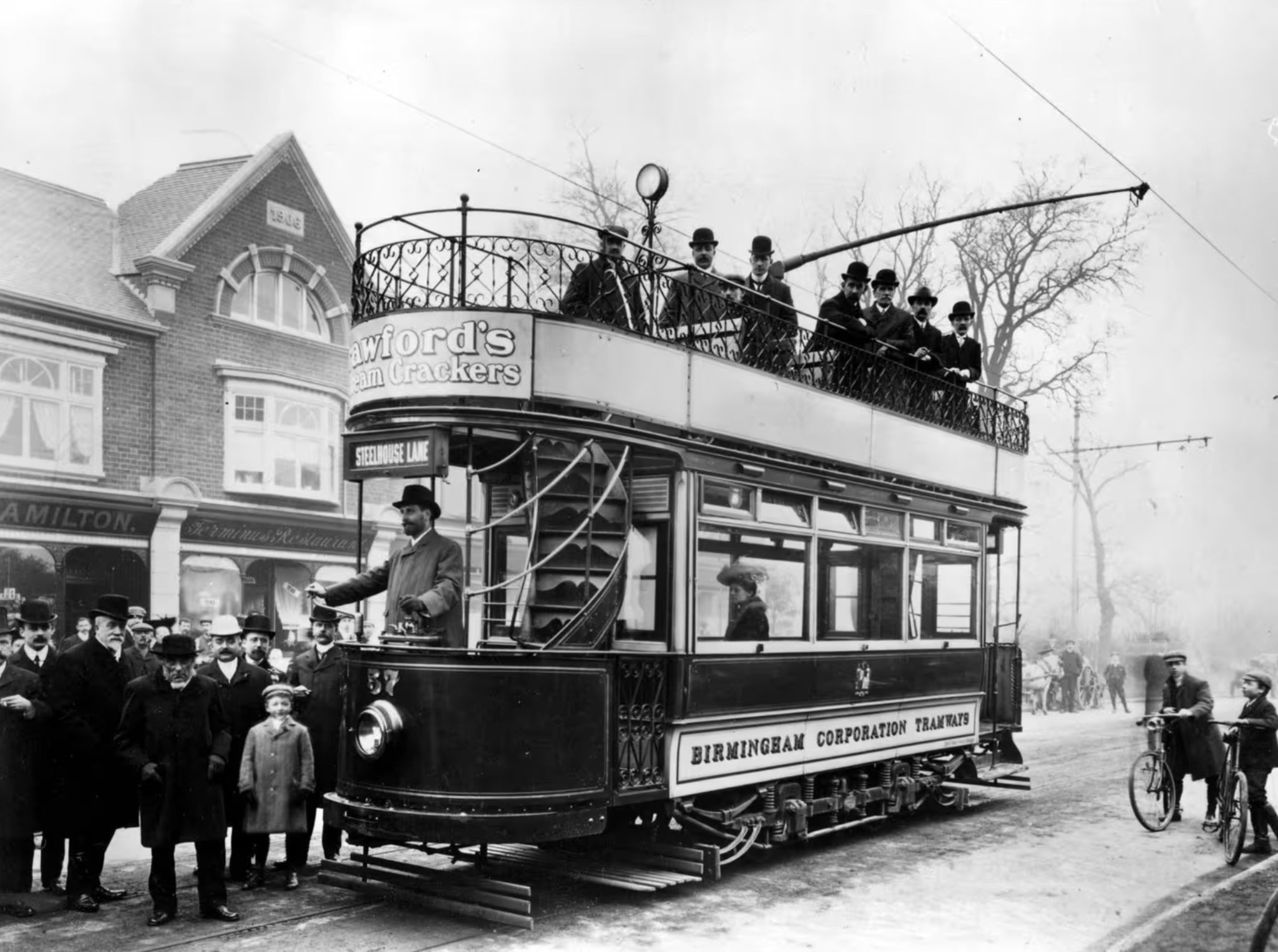
The electric tram proved to be the very compromise between speed and order that the industrial centre so sorely lacked. It required no rest, ran to a timetable and could carry far more passengers than horse-drawn carriages. By the 1910s, Birmingham had acquired one of the largest municipal tram systems in Great Britain: dozens of routes, hundreds of carriages and a regular service that was beginning to resemble a true urban mechanism.
The city authorities quickly took control of the process: depots were built, lines were extended, and new connections were established between industrial areas and residential districts. By the 1920s and 1930s, the tram network had reached its peak—over 200 kilometres of track and hundreds of millions of journeys a year during peak periods. Birmingham was literally ‘stitched together’ by rails, becoming a more cohesive and predictable city.
Of course, it wasn’t a perfect system. The tracks required constant maintenance, the wires needed servicing, and any breakdown could bring the entire line to a standstill. But, even with these drawbacks, the tram remained far more reliable than anything that had come before. By the 1930s, it was no longer just carrying passengers—it was shaping the way the city moved, grew and lived.
From buses to trolleybuses
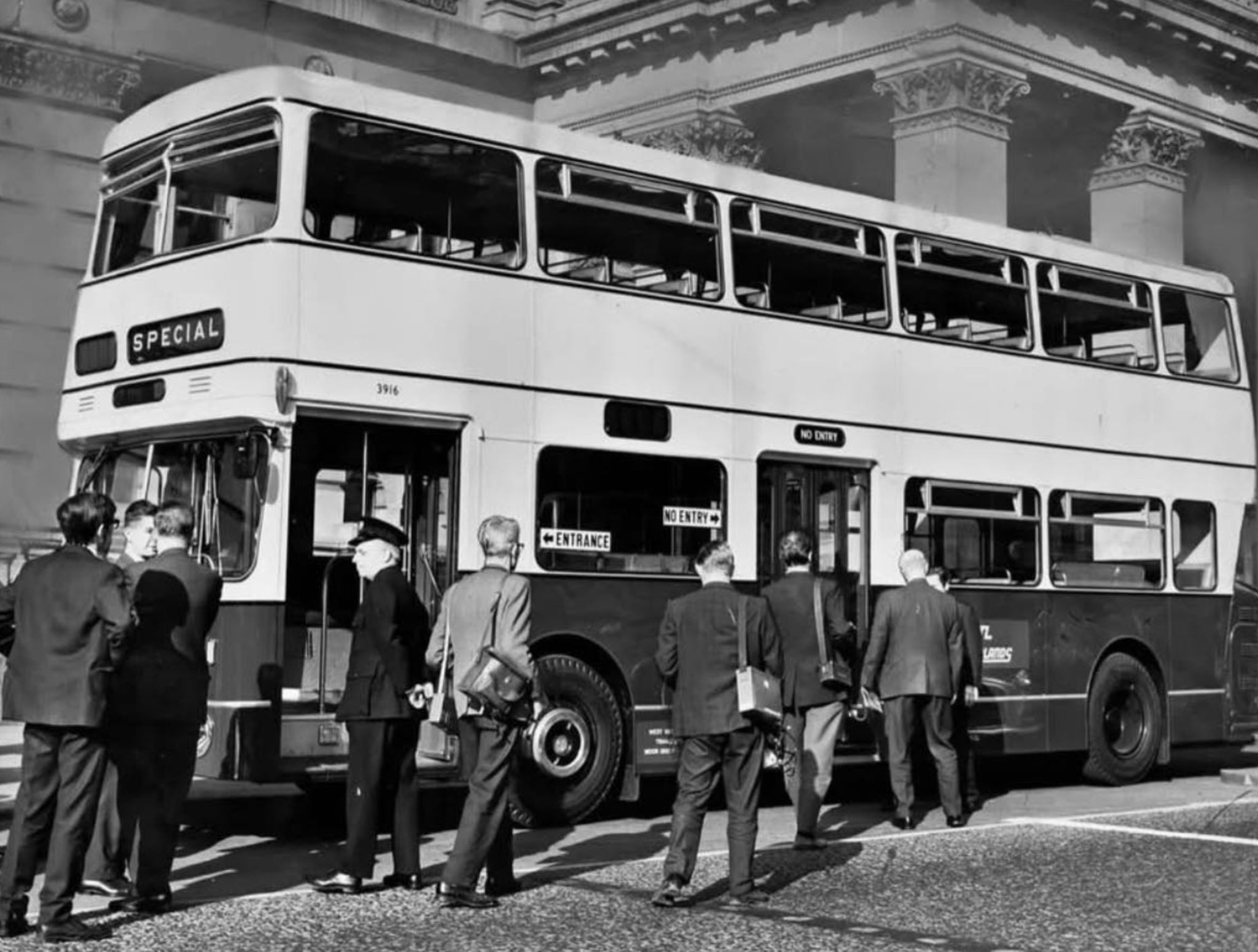
In the 1930s–1950s, the tram era in Birmingham began to slowly lose ground—not because of a single factor, but due to a whole series of urban changes that collectively worked against it. Trams were efficient but inflexible: the tracks dictated a rigid route that was difficult to alter quickly to accommodate new developments or shifts in passenger flows. Meanwhile, the city was growing and expanding and required a more flexible solution.
Trolleybuses emerged as a sort of intermediate option— a form of electric transport without rails, running on rubber tyres but still powered by an overhead contact line. They were more flexible than trams but not yet as free-moving as buses, and so became merely a transitional stage.
This is where buses came into the picture. They didn’t need tracks, could easily change their route, and could go where the tracks physically couldn’t reach or where construction would have been too expensive. It was simpler, cheaper and quicker to manage. Urban planning began to shift: instead of ‘laying tracks,’ the approach became ‘just run a bus’.
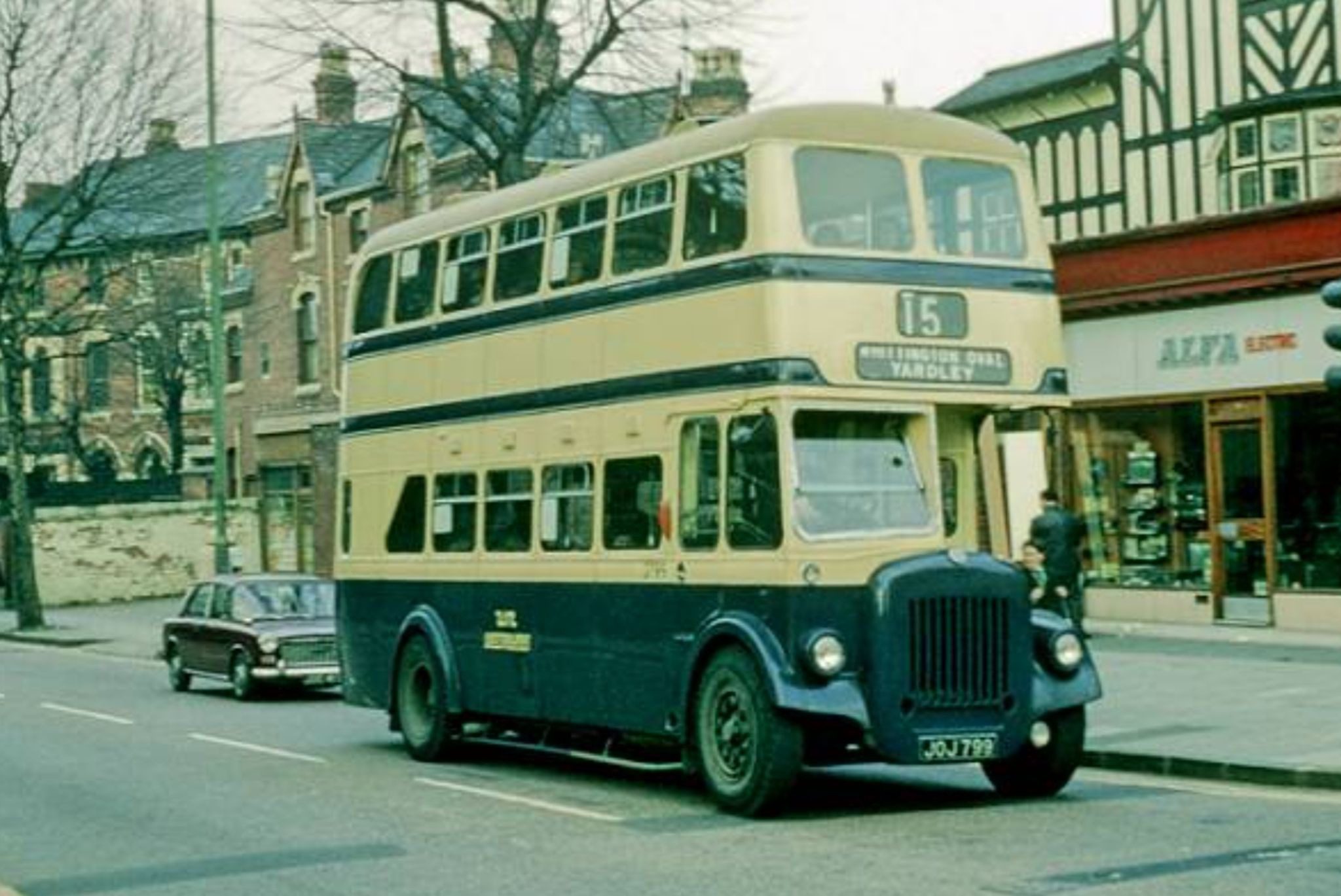
Double-decker buses became a distinctive hallmark of British urban transport. They made it possible to carry more passengers without widening the streets, which was crucial for a densely populated city. Tall, somewhat clunky but efficient, they quickly became the new face of urban transport.
After the Second World War, the situation changed even more radically. The bombing had damaged parts of the infrastructure, and the city’s reconstruction proceeded according to a new logic—that of the motor vehicle era. Priority was given to roads rather than railways. Private transport began to grow, and cities across Britain turned to buses as a flexible form of public transport that better suited the new urban landscape.
Trams in this system gradually came to be seen as an expensive and outdated form of infrastructure, which was difficult to maintain and even more difficult to modernise. Consequently, their phasing out was not abrupt but pragmatic—the city simply opted for what was easier to scale up in the post-war reality.
The motoring capital of the UK
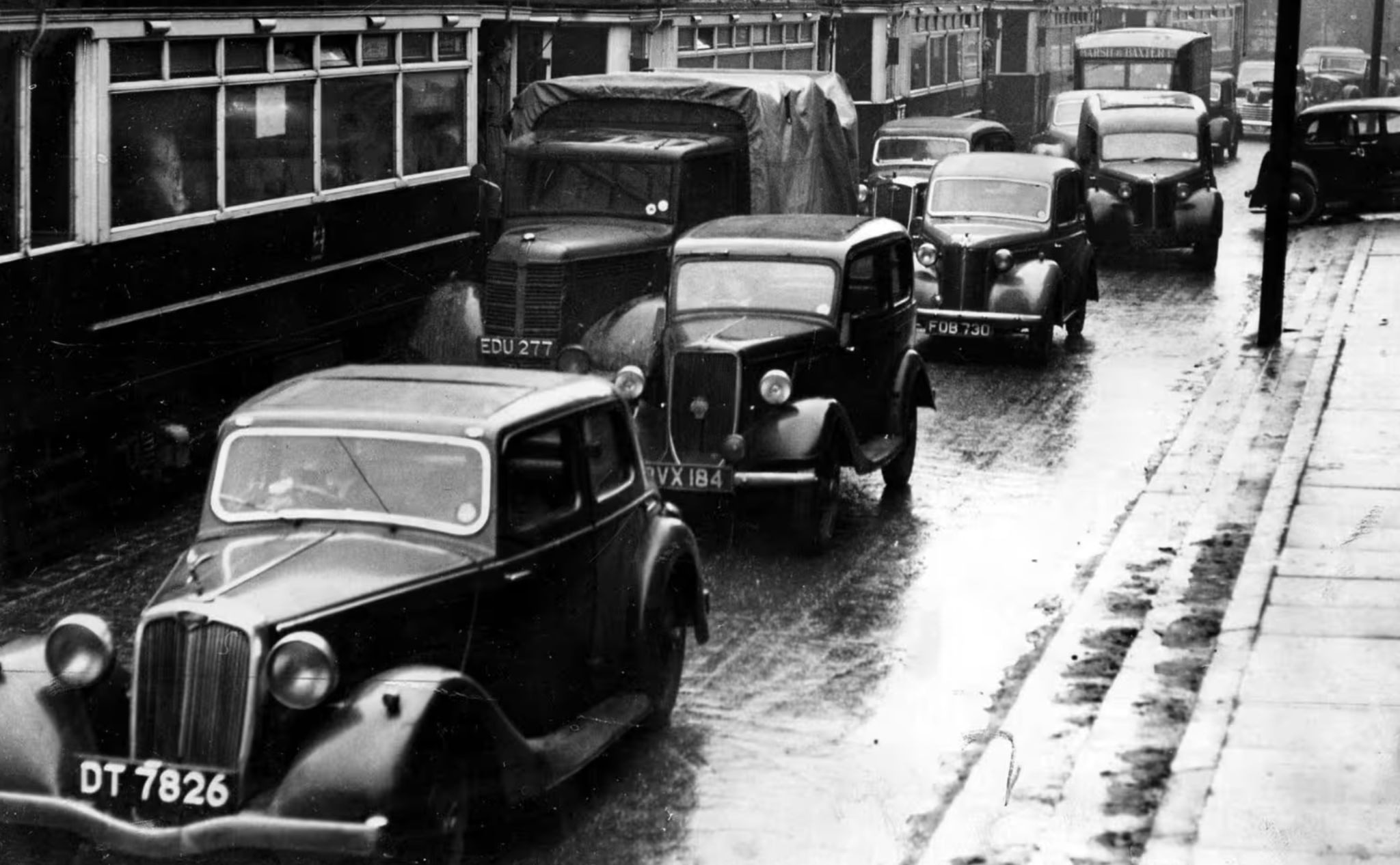
In the 1950s and 1970s, Birmingham fully embraced the car. The post-war city looked as though it had been promised a new lease of life, but was handed first and foremost the keys to a car. The idea was simple: more roads meant more freedom. In practice, this quickly turned into ‘more roads—more cars,’ but at the time it was still presented as progress.
The city began to be redesigned around the car. Major roads were widened, and entire neighbourhoods were demolished to make way for transport interchanges; within this new logic, pedestrians appearedas a temporary oversight that had simply been forgotten in the plans. The city centre gradually adapted to the idea that the city’s primary task was not the comfort of its people, but the uninterrupted flow of traffic.
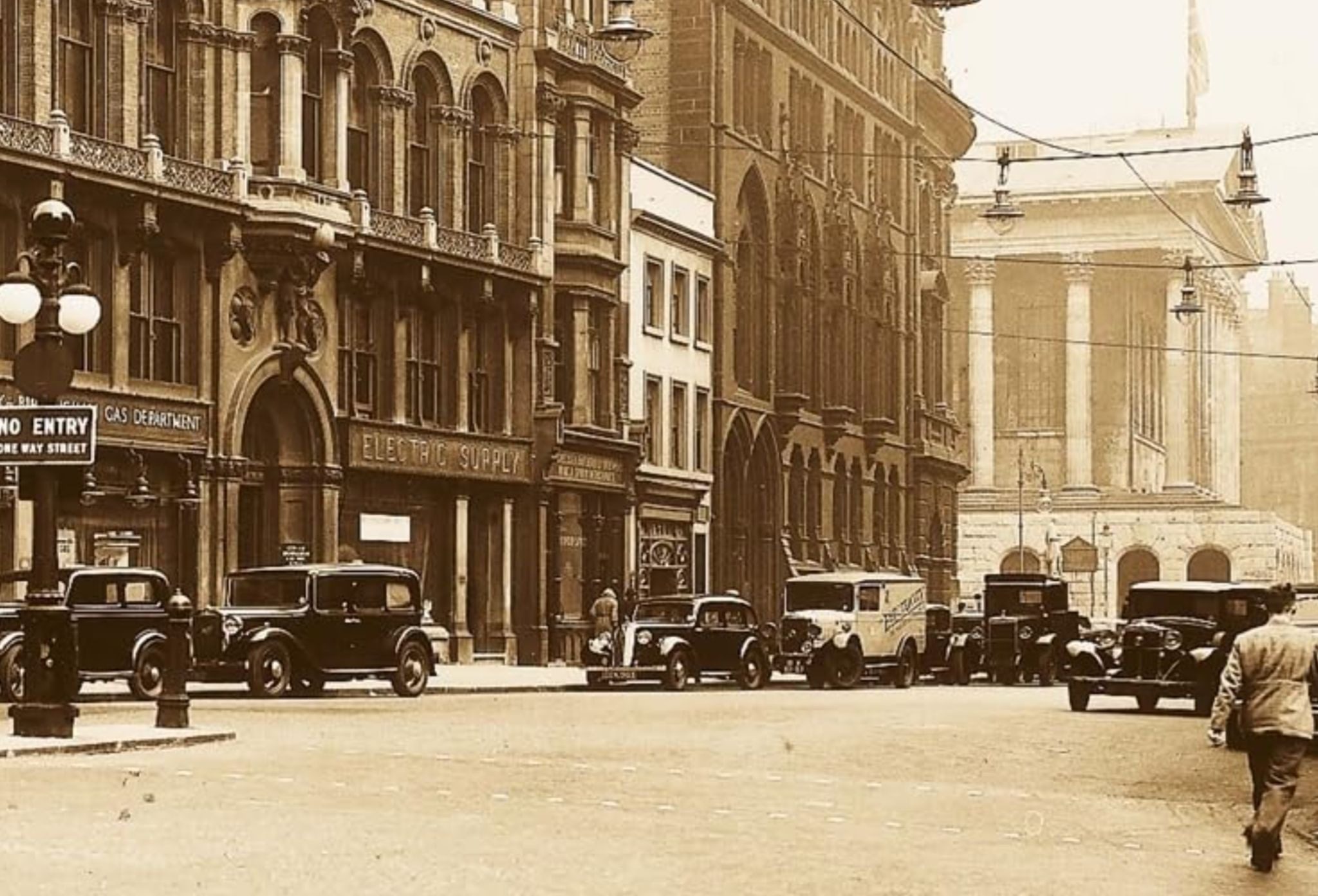
The car became more than just a means of transport; it became a social status symbol. Owning a car meant you had ‘made it to the future,’ even if you were stuck in the morning traffic jam alongside everyone else who had also ‘made it’ there. During this period, a veritable cult of the road began: new flyovers, roundabouts, and car parks, which slowly but surely began to compete with residential buildings for space.
Public transport did not disappear but gradually took a back seat. Buses took on the bulk of the load, whilst the railway remained for those who either didn’t have a car or simply didn’t want to play the game of ‘find a parking space in the city centre’.
Another crossing: the circle is complete
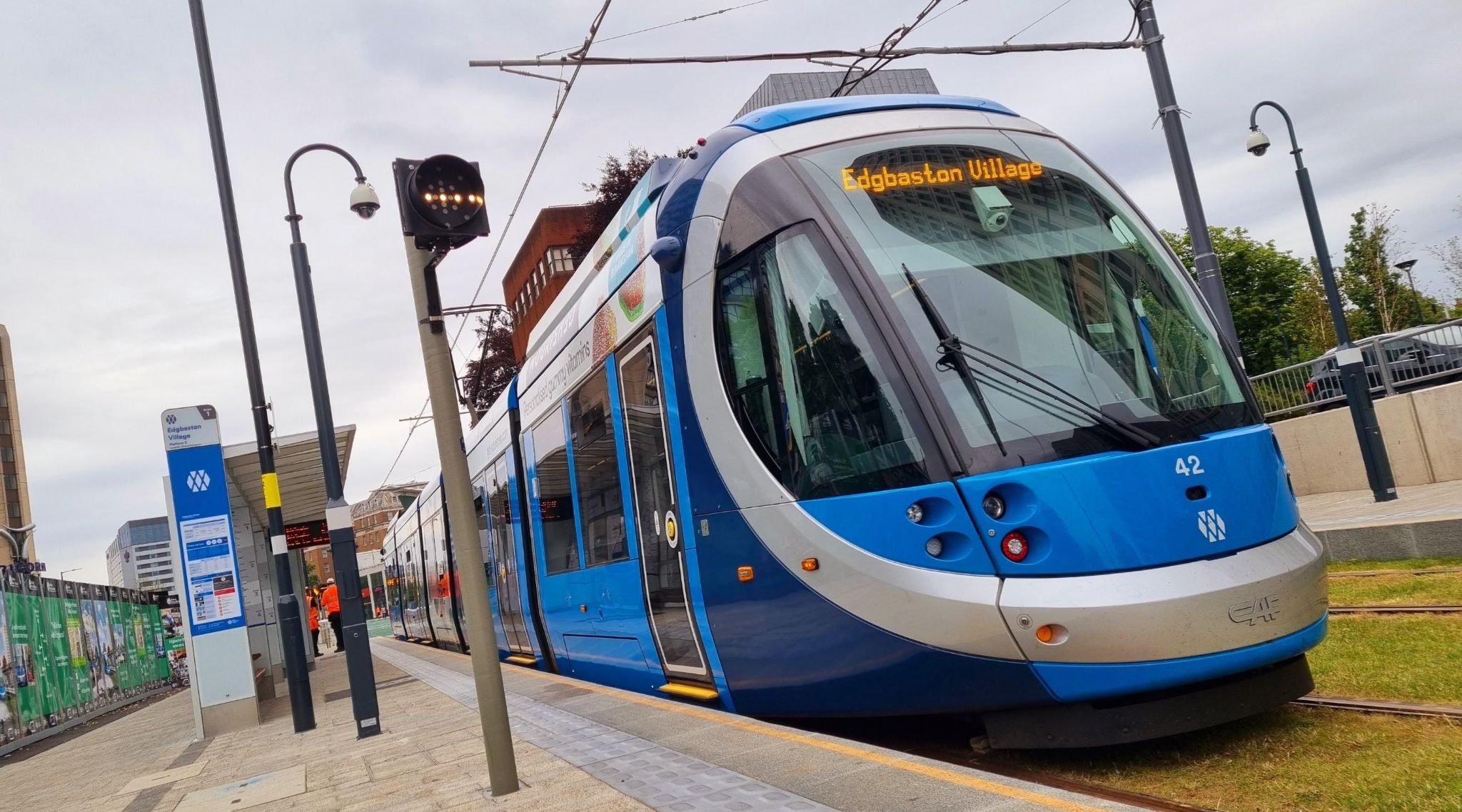
Towards the end of the 20th century, Birmingham was forced to reconsider its faith in the car-centred utopia. A city that had spent decades building roads and junctions suddenly realised that cars do not always solve traffic problems—sometimes they are the problem itself. In 1999, a new-old player appeared—the light rail system, which effectively marked a return to rail-based transport, but in a modernised form.
And so the West Midlands Metro system came into operation, designed to reconnect the city’s districts quickly, reliably, and without the traffic jams that had become the norm in the motorised era. In other words, we’ve come full circle. And it’s hardly surprising: we’re now in the 21st century—but that’s a whole other story.
Sources: