

If only twenty years ago, talk of hydrogen cars or “green” energy seemed like science fiction, today these are fully realized projects that governments worldwide are investing billions in. The search for alternative energy sources has long since ceased to be merely a trendy topic for environmental forums, gradually turning into a matter of economics, security, and the future. Hydrogen is considered one of the main contenders for the fuel of the future. Though asserting that it will completely replace oil or natural gas tomorrow would be far too bold.
In the UK, hydrogen technologies are being actively developed in several regions at once. Among them are Aberdeen, Leeds, Teesside, the Liverpool City Region, Hull, and, of course, Birmingham. While it would be an exaggeration to label Birmingham as the country’s main hydrogen capital, there is an interesting detail: the city has steadily become one of the most important British hubs where new technologies move past flashy presentations and start working in real life.
This is where hydrogen buses are put to the test, modern infrastructure is built, and scientists work alongside industrial giants to find out if hydrogen is truly the fuel of the future, rather than just another political buzzword. To find out how Birmingham became one of the UK’s leading testbeds for hydrogen technology, which projects are already up and running, and whether hydrogen can truly reshape the energy landscape, visit birmingham-future.com.
Tyseley Energy Park: Birmingham’s Premier Hydrogen Hub
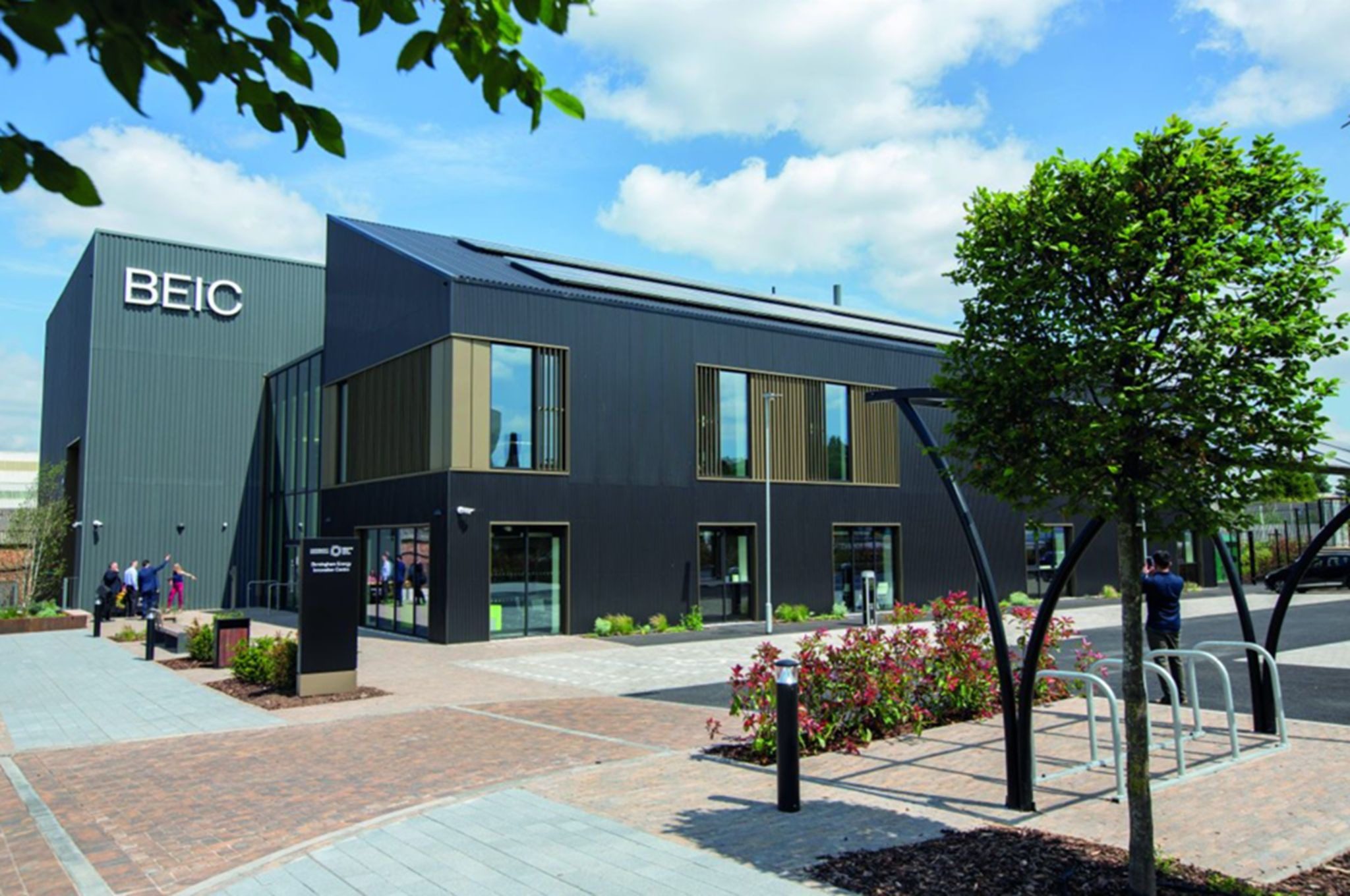
When you hear the term “energy park,” your imagination might immediately picture neat green lawns, solar panels, and wind turbines spinning slowly on a distant hill. In reality, Tyseley Energy Park is nothing like a spot for a family picnic.
This former industrial zone in Birmingham has been given a second life, transforming into one of the UK’s most exciting testing grounds for new technologies. Here, scientists, engineers, and business leaders are working to answer a question that currently preoccupies the entire world: can hydrogen at least partially replace traditional fuels?
Interestingly, Tyseley Energy Park is not an isolated research facility in the traditional sense. It is more of an ecosystem where university research stops gathering dust in scientific journals and starts working in the real world. The University of Birmingham, industrial giants, transport operators, and the city council all collaborate closely here.
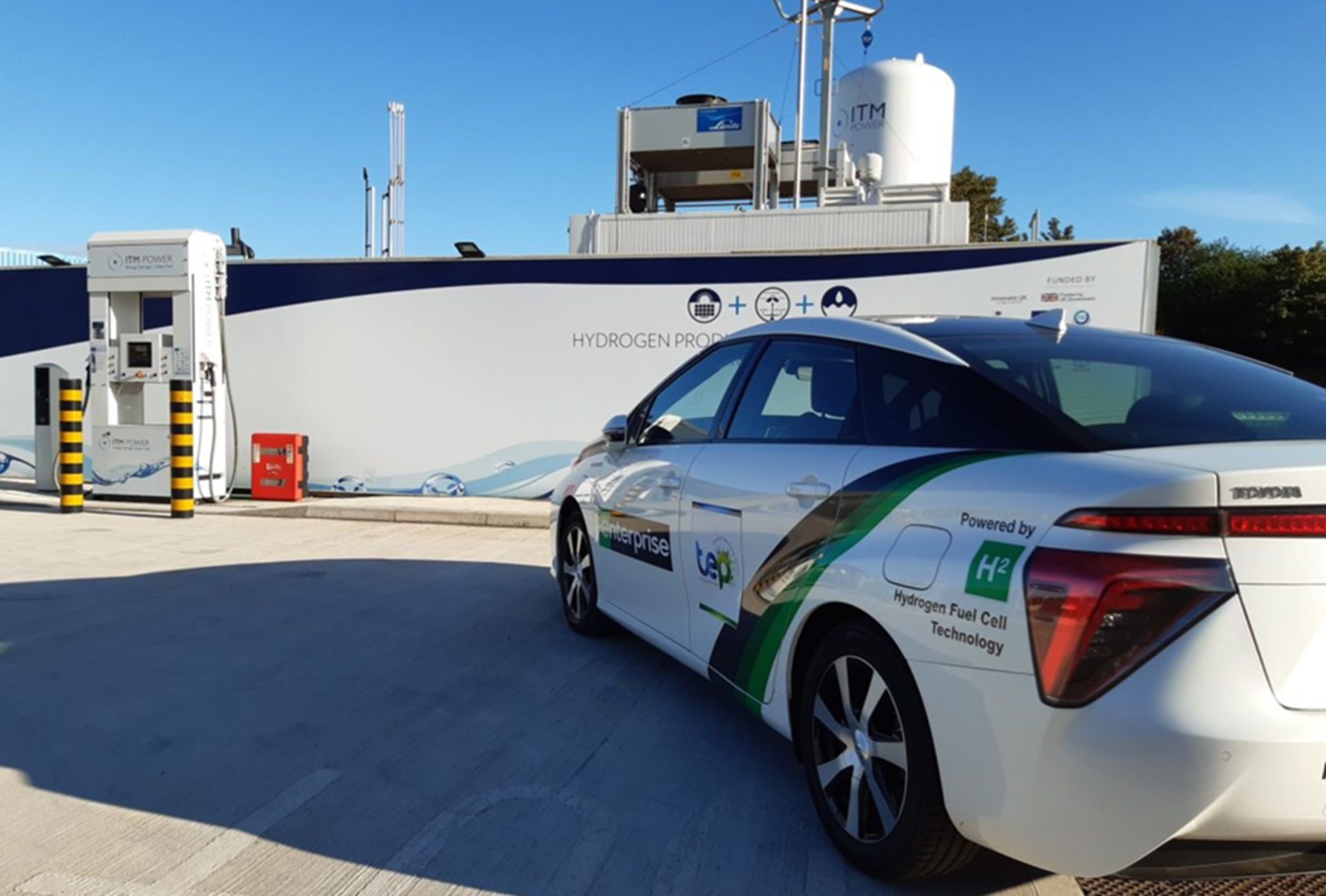
The fruit of this partnership is a state-of-the-art electrolyzer that produces “green” hydrogen using electricity sourced from renewables, alongside one of the largest hydrogen refueling stations in the UK. This infrastructure is already supplying clean fuel to city buses and commercial vehicles.
In fact, the station is capable of delivering over a ton of hydrogen per day—enough to refuel dozens of large buses daily. In other words, Birmingham doesn’t just talk about the future of energy; it tests every single day whether that future can function without reliance on sleek presentations and grand promises.
To put it simply, Tyseley Energy Park is the place where the British decided to test whether their dreams of a “clean” future are too ambitious. So far, the experiment is looking rather convincing.
Hydrogen Buses: An Experiment Hitting the City Streets
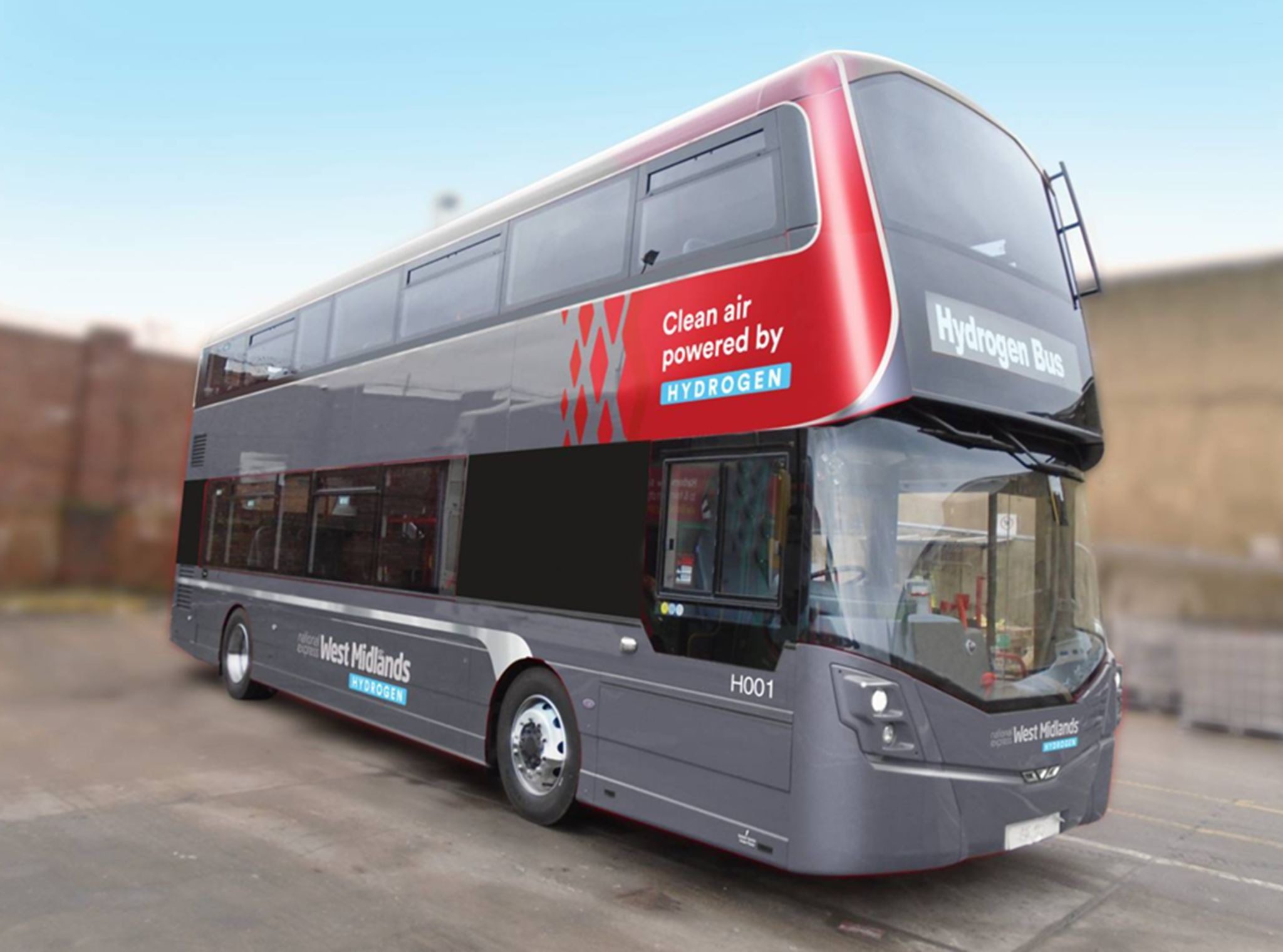
While Tyseley Energy Park is where the core tech is put through its paces, the most visible outcome of this experiment has been the buses. After all, it’s much easier to believe in the energy of the future when it isn’t sitting in a lab, but picking up passengers at bus stops every morning.
The story of this project began in 2020 when Birmingham City Council launched the Clean Air Hydrogen Bus Pilot. Its main goal wasn’t just to buy eco-friendly transit, but to evaluate whether hydrogen could serve as a viable alternative to diesel fuel in a major metropolis.
To achieve this, the city purchased twenty double-decker buses from the British manufacturer Wrightbus, with National Express West Midlands stepping in as the operator. Simultaneously, a state-of-the-art hydrogen production and refueling facility was built at Tyseley Energy Park to ensure the new fleet wouldn’t end up as a flashy but useless novelty.
However, the overarching vision went far beyond the buses themselves. Birmingham effectively turned into a testing ground for the entire ecosystem: from green hydrogen generation and storage to fuel cell performance, and training for both drivers and maintenance crews.
Should the experiment prove successful, this framework could lay the groundwork for a systematic shift toward hydrogen public transport in other UK cities as well. That is why the initial twenty buses were never viewed as the finish line, but rather as the first step in a much broader push toward zero-emission transit.
Birmingham’s Hydrogen Power: Why “Green” Hydrogen Is Hailed as the Fuel of the Future
With all this discussion about hydrogen buses, a logical question arises: why reinvent the wheel when humanity has spent over a century successfully running on gasoline and diesel? The answer is simple. Fossil fuel reserves are finite, and burning them releases greenhouse gases and toxic pollutants that degrade the climate and contaminate city air.
This is why scientists have spent decades searching for an alternative that can generate power without devastating the environment. Hydrogen is currently one of the most promising candidates. When utilized, the resulting reaction produces only water and heat, while the generated electricity powers the motor.
It sounds almost too good to be true, but there is a catch. Hydrogen cannot simply be drilled out of the ground like natural gas or oil. It has to be manufactured, and its ultimate environmental impact depends entirely on the method of generation. That is why the term “green” hydrogen has generated so much buzz in recent years.
It is produced via electrolysis, a process that splits water into hydrogen and oxygen. If the electricity for this process comes from renewable sources—such as solar or wind farms—the hydrogen is classified as “green” because its production has a zero-carbon footprint. This is the exact technology currently being refined at Tyseley Energy Park, with the fuel produced sent straight to the city’s bus fleet.
From Candles to Gas, From Gas to Electricity: Birmingham’s Hydrogen Transition as the Next Step
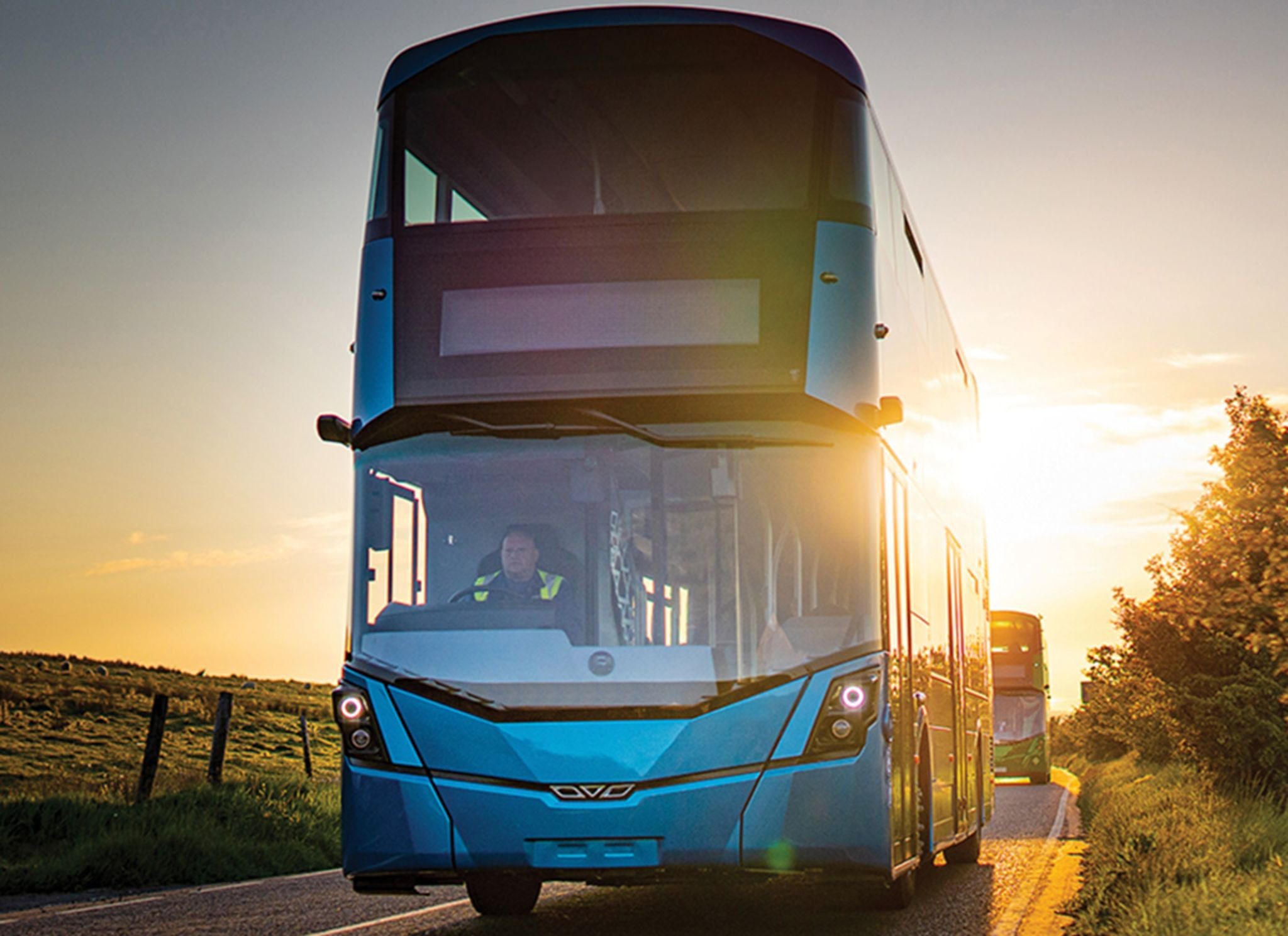
In a way, history is repeating itself. Birmingham was once among the first British cities to transition en masse from candles to gas lighting, and later to electricity. Back then, each of these transitions felt like a highly daring experiment, yet today we can hardly imagine our lives without them.
It is highly likely that hydrogen energy is on a similar trajectory. If current projects live up to expectations, Birmingham is well-positioned to reaffirm its reputation as an industrial pioneer—a city where hydrogen moved from the pages of academic journals to become a standard fuel for generations to come.