

In Birmingham, housing resembles an open-air architectural archive: Victorian terraced houses, post-war flats, and modern glass-and-concrete developments sit side by side. Each era had its own vision of comfort, but older walls often struggle to keep up with today’s energy bills. When heat escapes through roofs, draughty windows, and poorly insulated walls in winter, it is residents who foot the bill. In summer, a home that traps solar heat can easily turn into an oven. It is hardly the idyllic British cosy living seen in tourist brochures.
The answer lies in homes that demand less energy, keep warm in winter, and stay cool in summer. Birmingham is already upgrading its housing stock, backing initiatives for properties in urgent need of insulation and modern technology. Together with birmingham-future.com, we look at how insulation, heat pumps, solar panels, and smarter architectural design are reshaping everyday life across the city.
Retrofitting Birmingham’s Homes: Insulation, Windows, and EPC Ratings
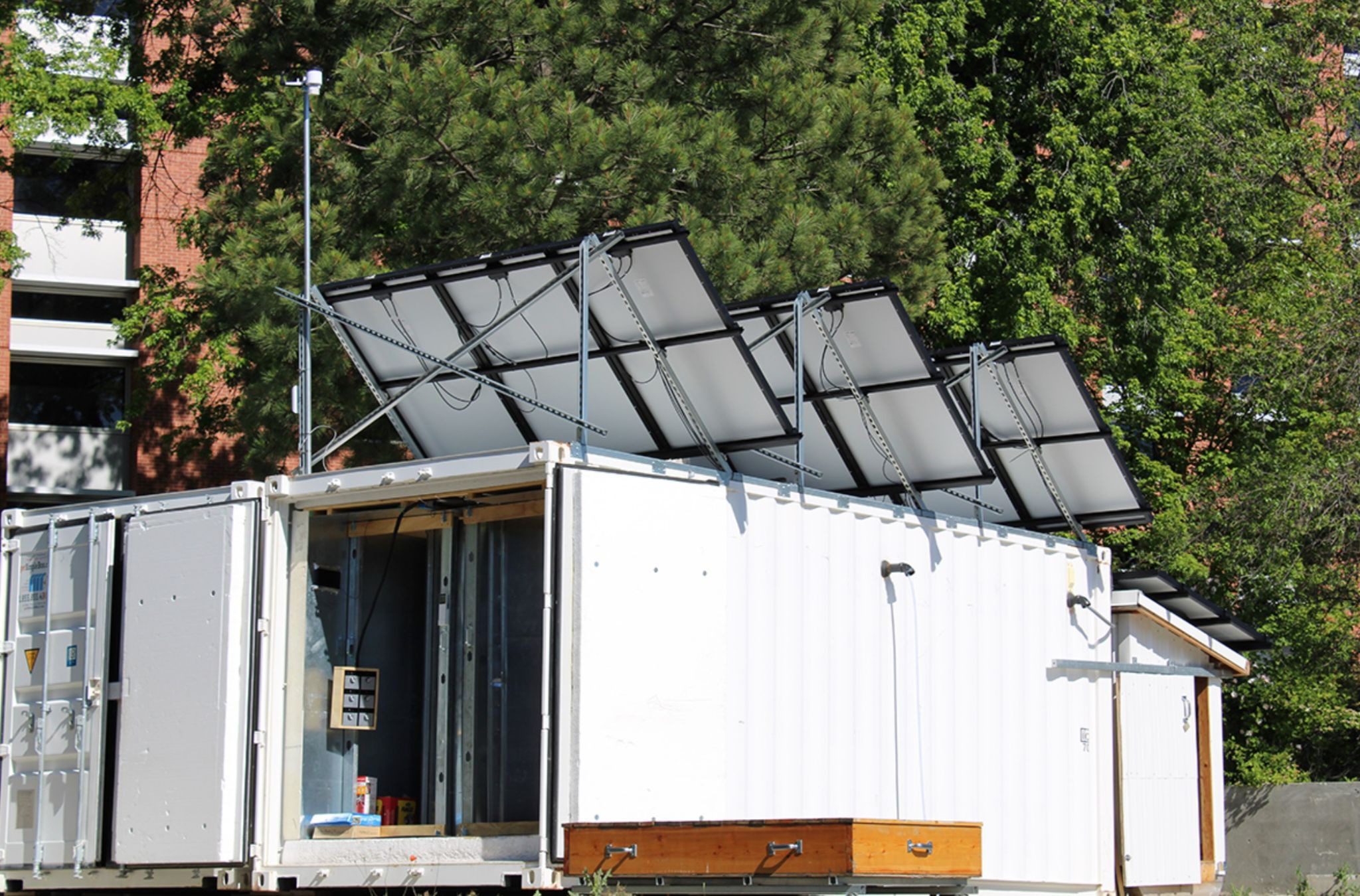
Energy efficiency doesn’t start with a flashy smart thermostat—it starts with the building fabric. If walls, roofs, and floors fail to retain heat, heating systems are forced to work overtime, letting hard-earned energy slip straight outdoors. Birmingham’s older properties vary widely: some have cavity walls suitable for insulation, while others require external or internal solid wall insulation. For lofts, topping up insulation is often enough, while draughts can be tackled by servicing windows, sealing doors, or upgrading to double glazing.
Yet retrofitting is not simply about wrapping a house in the thickest possible layer of insulation. Any work must be carefully planned with moisture, ventilation, and the building’s structure in mind. Poorly planned insulation without proper airflow is a recipe for condensation and mould. That is why genuine upgrades strike a balance between cutting heat loss and providing healthy ventilation, rather than turning a home into an airtight, stuffy box.
An Energy Performance Certificate (EPC) helps assess a property’s condition, rating efficiency on a scale from A (most efficient) to G (least efficient). The certificate outlines the building’s specifications and energy systems, estimates typical running costs, and suggests potential improvements. However, it is not a fixed guarantee of utility bills: actual costs ultimately depend on energy tariffs, weather patterns, household size, and heating habits.
Birmingham offers a tangible example of large-scale retrofitting. In 2025, the city council announced the completion of an upgrade programme across 2,000 council homes. The works covered wall and loft insulation, new windows and doors, solar PV panels, high-heat-retention storage heaters, and smart hot-water controls. According to council estimates, depending on the property type and specific measures installed, residents can save between £600 and £1,200 a year on energy bills.
Heat Pumps, Solar Panels, and Smart Homes: Technologies for Low-Carbon Living
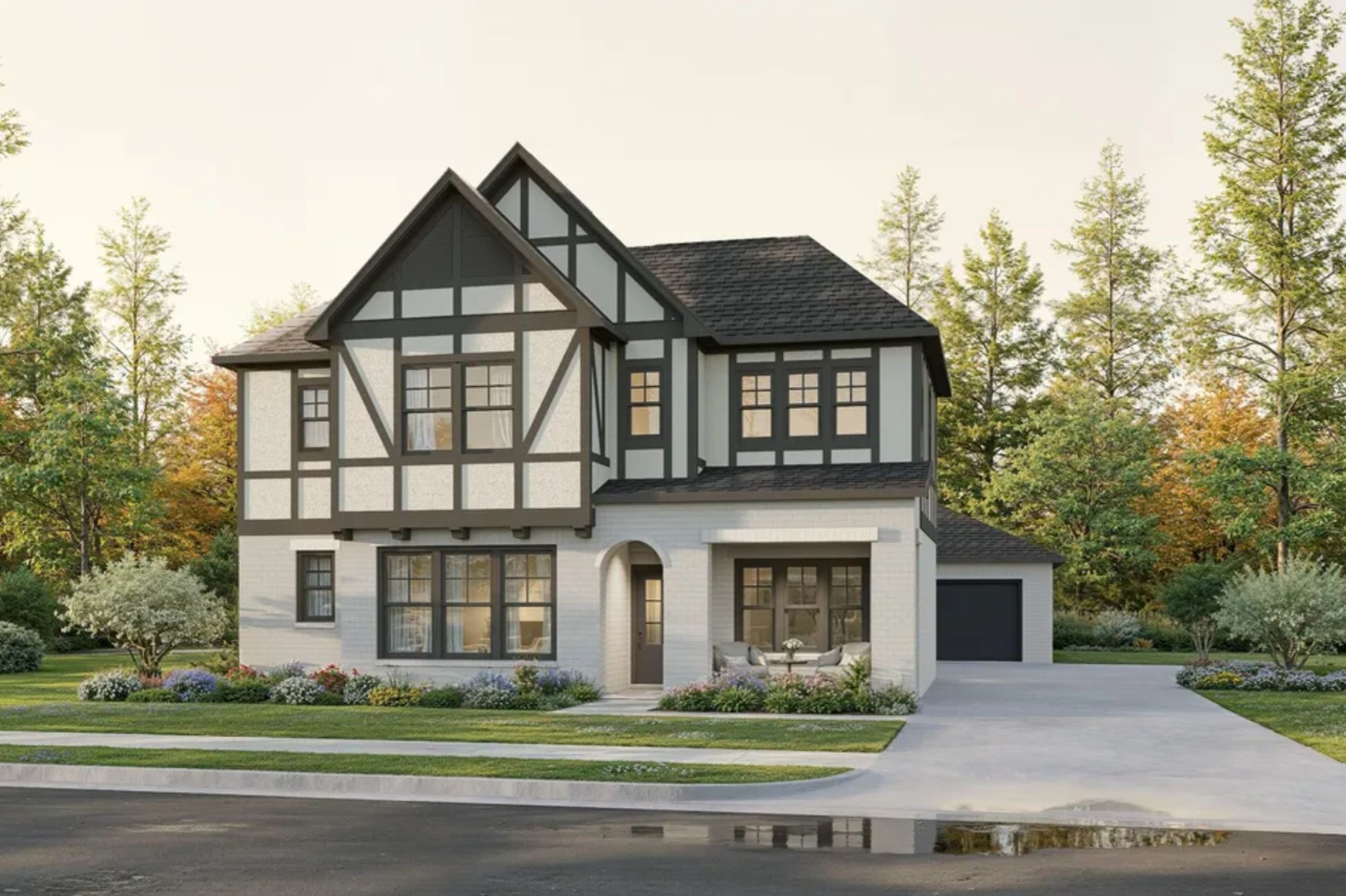
Once a home is well insulated, it makes sense to look at heating systems. A heat pump works very differently from a conventional electric heater: rather than generating heat directly, it extracts warmth from the outside air or ground and transfers it indoors, using electricity mainly to power its compressor. Under the right conditions, the system delivers several units of heat for every unit of electricity it consumes.
Solar panels generate electricity to power household appliances and run the heat pump. When generation outpaces demand, surplus electricity can often be exported back to the grid. Pairing panels with a home battery helps store excess power for the evening. Still, solar panels do not automatically wipe out bills: roof orientation, shading, system capacity, daily usage patterns, and upfront installation costs all play a critical role.
The biggest gains rarely come from a single silver-bullet technology. Instead, success lies in an integrated approach: insulation, efficient heating, solar generation, and smart controls working in tandem. That is why homes should be assessed holistically, rather than having expensive hardware installed simply because it is trending. Fitting a heat pump into a draughty, poorly insulated home may fail to deliver expected savings, making draught-proofing and basic insulation a far more sensible first step.
A smart thermostat can automatically lower temperatures when nobody is home or warm rooms according to a set schedule. Sensors and zone controls prevent energy being wasted on unoccupied rooms. That said, “smart” does not automatically mean “saving”: if settings are misconfigured or heat leaks through unsealed gaps, an app will simply offer a clearer view of where money is being wasted. Fabric first, automation second—it may sound less glamorous in marketing brochures, but it makes far more sense for household budgets.
Ventilation is just as vital. A well-insulated home requires a steady supply of fresh air to prevent moisture and indoor pollutants from building up. In many homes, mechanical ventilation with heat recovery (MVHR) is an ideal solution, pre-warming incoming fresh air using heat recovered from outgoing stale air.
How Birmingham Is Supporting Home Retrofits: Local Schemes and Measurable Results
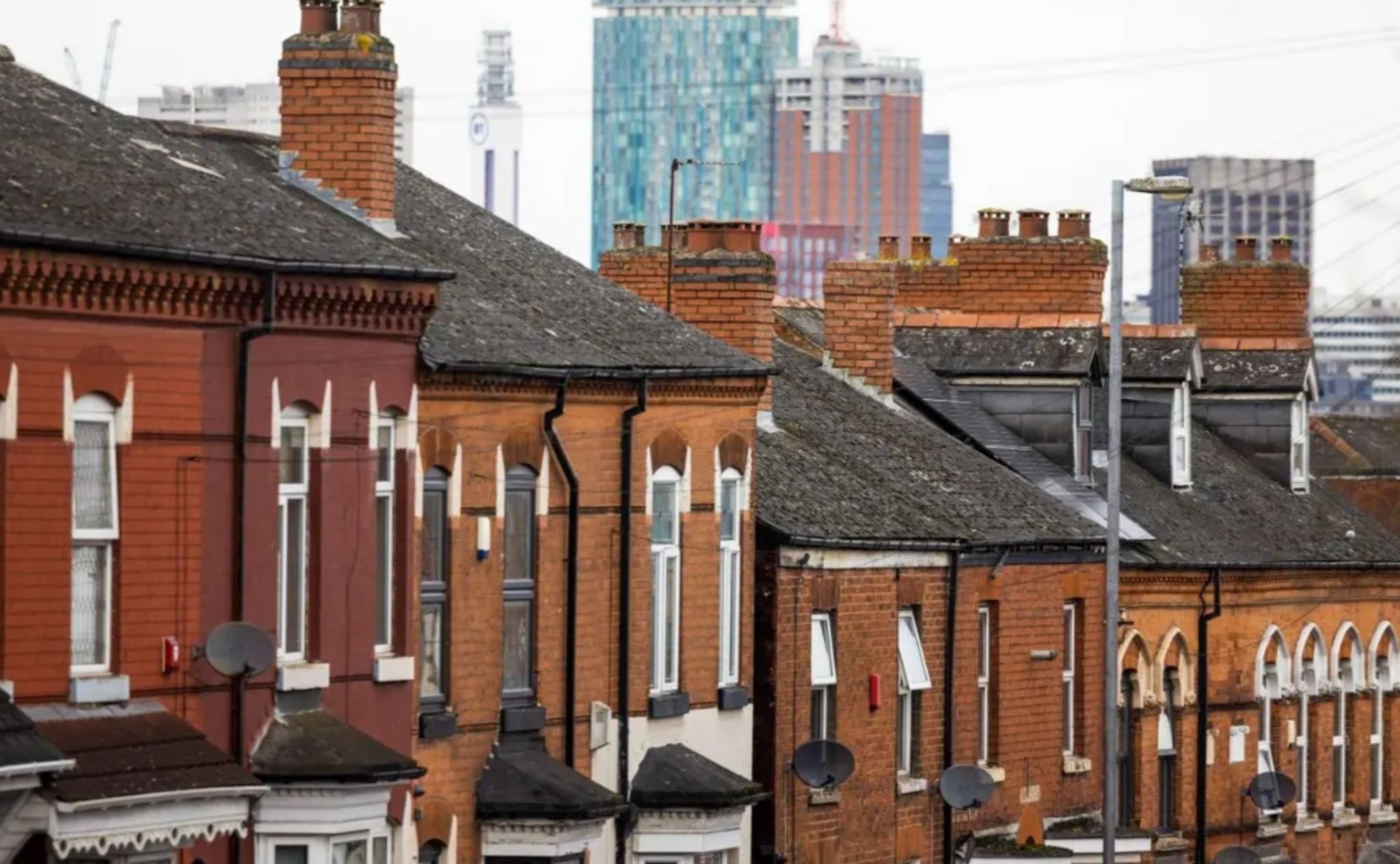
Deep retrofits are expensive, and many households cannot afford insulation, heat pumps, or solar arrays out of pocket. Accessible support programmes are therefore essential. The completed initiative across 2,000 council homes demonstrates the value of whole-house retrofitting: tackling insulation, glazing, heating, and hot water systems together. This treats the home as an interconnected system rather than a collection of separate appliances.
For private households, Birmingham is delivering the Warm Homes Local Grant between 2025 and 2028. According to the city council, the scheme targets upgrades for 625 homes across designated priority areas: Balsall Heath, Bromford, Castle Vale, Sparkbrook, Tyseley, and Hay Mills.
Support is not granted automatically to anyone who applies. Properties must be located within one of the designated areas and typically hold an EPC rating of D, E, F, or G. Eligibility also depends on household income, qualifying benefits, and other criteria. Following initial checks, a technical survey determines the most suitable measures for each property.
It is also important to distinguish between completed achievements and ongoing targets. The 2,000 council homes represent a completed scheme already delivered and reported by the council. In contrast, the 625 private homes under the Warm Homes Local Grant represent a target goal to be reached by 2028.
Can the Homes of Tomorrow Stay Comfortable in Both Winter and Summer?

A genuinely energy-efficient home must keep warmth inside during winter without turning into a greenhouse in summer. External blinds, awnings, shade trees, thoughtful window placement, and nighttime purge ventilation all help keep solar heat gain in check. Paired with quality insulation, balanced ventilation, and smart climate controls, these solutions deliver year-round comfort without putting excess strain on the grid.
The home of tomorrow does not need to be an automated gadget showcase. Instead, it should be designed to consume less energy from the outset and adapt effortlessly to shifting weather conditions. Passive cooling, robust insulation, and smart heating must work hand in hand. And that transformation starts not with clever gadgets, but with sound architectural fundamentals.