

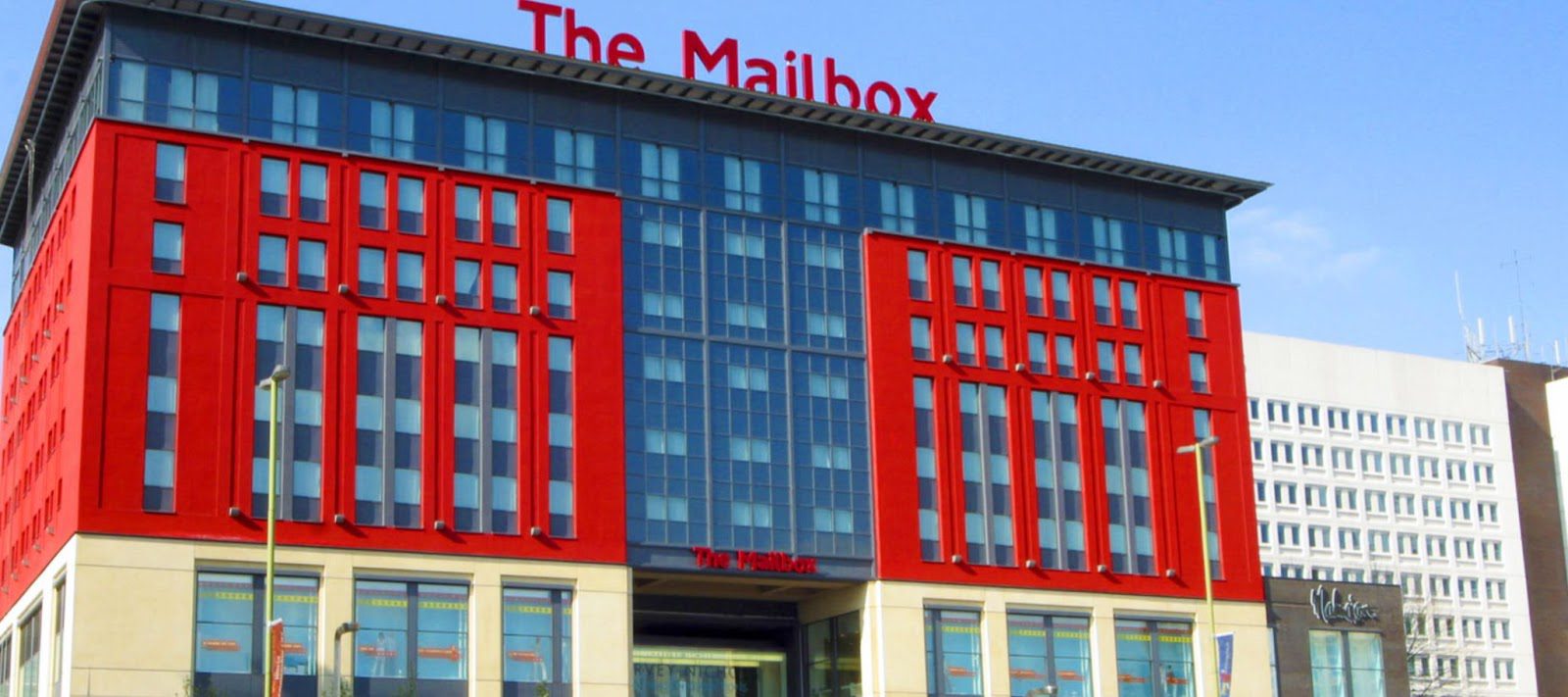
BBC Birmingham is based at The Mailbox in the heart of the city. Previously, it was located at the famous Pebble Mill broadcasting centre for almost 33 years. Her Highness Princess Anne officially opened BBC Birmingham at The Mailbox on Thursday 9th of September 2004. Since then, BBC Birmingham has produced such TV dramas as Doctors and Dalziel & Pascoe. As some TV productions have specific requirements, their writers are based at the Drama Village on the University of Birmingham campus.
The Mailbox also houses the Features & Documentaries department, which produces a wide range of factual programmes, including gardening ones, Countryfile and many others. In addition, it produces regional and local programmes, such as Midlands Today, Inside Out and The Politics Show. In addition to TV, the channel also releases radio content.
Birmingham produces a third of Radio 2’s output, as well as programmes for Radio 4, Radio Five Live and the Asian Network. The channel doesn’t forget about local radio too. BBC WM is the local radio station working for Birmingham and the Black Country. It is the BBC’s largest local radio station outside London. Learn more about the history of BBC Birmingham at birmingham-future.com.
First broadcasts
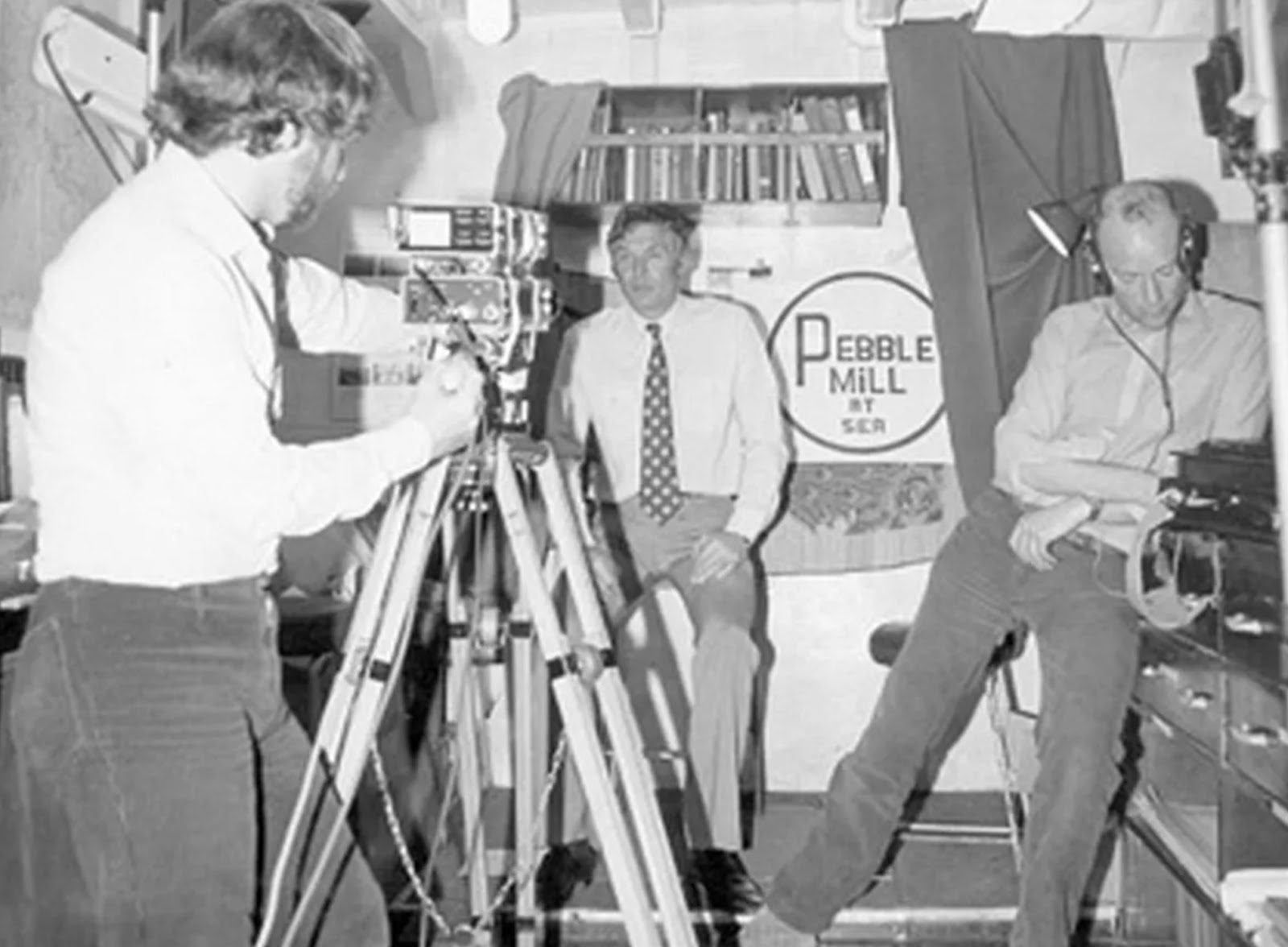
It all started in November 1922, when the British Broadcasting Corporation began broadcasting from the GEC Works offices in Witton. The process was managed by Percy Edgar and Pat Casey. The entire BBC office at that time consisted of three rooms: one housed the transmitter, the second was the office itself and the third one was a 12×20 ft studio.
Despite the rather modest working conditions, the studio created the first-ever Children’s Hour in December 1923. In parallel, the organisation established a children’s club, the funds from which were transferred to the West Midlands Children’s charity.
The channel was becoming increasingly productive and the Witton premises became too small for its activity. Therefore, in 1924, one studio and several offices moved to the upper floor of 105 New Street.
However, that move didn’t solve the problem. On the contrary, it became clear that the new premises didn’t meet the company’s requirements. In addition, the building was infested with rats. So, in 1926, the British Broadcasting Company moved to 282 Broad Street. The purchased premises were specially built for the channel’s needs. Given that the largest studio could accommodate a full orchestra and choir, the question of the company location was closed for some time.
Birmingham has a long tradition of creating and broadcasting TV programmes. However, it all started with the radio. By the way, in 1922, Birmingham became the first British city outside London to have BBC radio, after the studio moved from Witton to New Street and then to Broad Street. In 1949, it became the first British city outside London to have the BBC TV service, which was also based at the Broad Street studio.
First BBC TV service
The British Broadcasting Company was dissolved at the beginning of 1927 and the British Broadcasting Corporation was established in accordance with the Royal Charter. Its first global success wasn’t long in coming. After the first episode of Paul Temple, the company received 7,000 letters from fans. That landmark event took place in 1938.
In 1949, a new transmitter was opened in Sutton Coldfield, bringing broadcasts to the Midlands. Another important event was the first broadcast of The Archers on the Light Programme on 1 January 1951. For the next 20 years, Brookfield Farm was based in Studio 2 on Broad Street. This radio series was planned as everyday stories of the lives of ordinary country people.
The series has 20,000 episodes, which makes it the longest-running modern drama. Although the programme isn’t an informational one, it has over 5,000,000 listeners, making it an important show in British popular culture. In 1951, the BBC leased the Pebble Mill building and in 1954, Carpenter Road, Edgbaston, became the new broadcasting home.
The 1950s turned out to be quite productive. Thus, in 1956, the channel launched Gardeners’ Corner. It is still in existence today, although it has changed its name to Gardeners’ World. The first BBC Midlands TV News was launched in September 1957, being broadcast every weekday evening.
Regional production centres
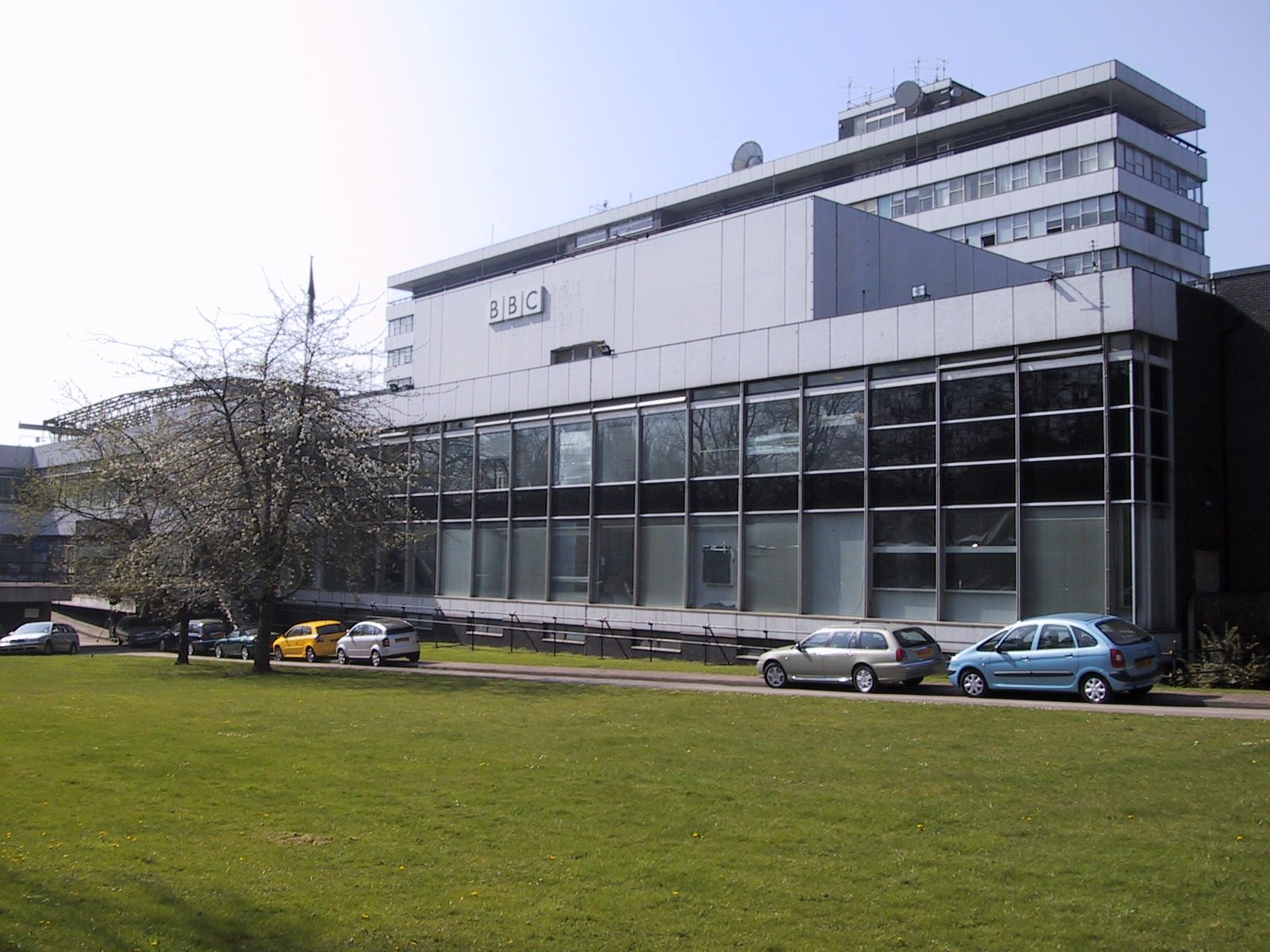
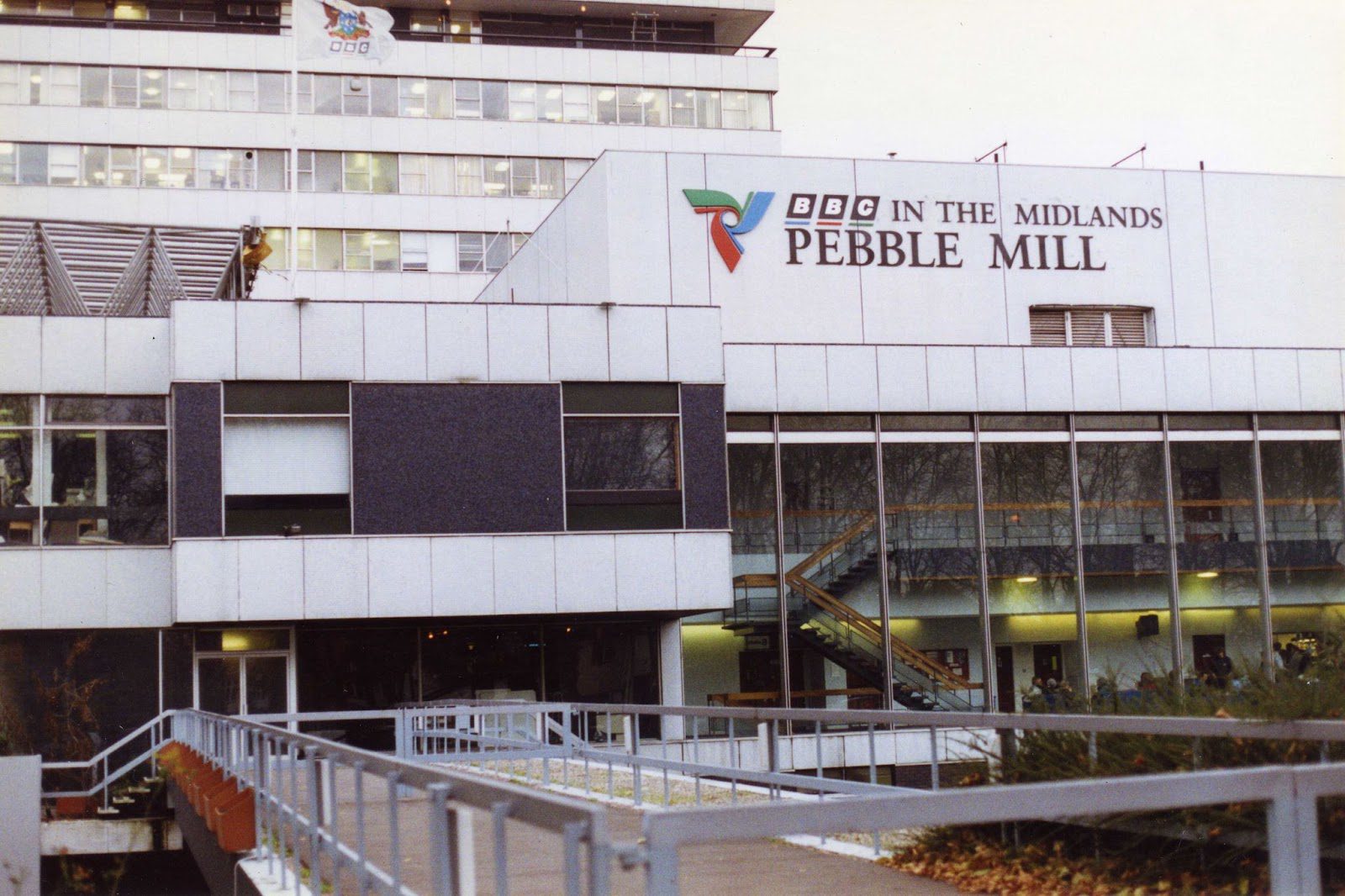
As the service continued to expand, the BBC decided to set up regional TV and radio production centres. Therefore, the company needed a new base in Birmingham. A model of the BBC’s future broadcasting centre at Pebble Mill was shown to the press in 1962. Construction work on Pebble Mill Studios in Edgbaston began in 1967 and Princess Anne opened the seven-storey, nine-acre site in 1971.
Subsequently, changing requirements for TV production and the rising costs of maintaining the building, led BBC Birmingham to move production to a brand new The Mailbox Studios in 2004. Pebble Mill was demolished a year later.
The lack of space at The Mailbox meant that the company needed a second location. Therefore, in 2004, the channel opened the BBC Drama Village in five buildings on the Selly Oak campus of the University of Birmingham and three units in the Stirchley Trading Estate on Hazelwell Road.
Another broadcasting company, ITV, also has strong historical links with Birmingham. The new Independent Television network was launched in the UK in 1955 when Associated Television won the contract to cover the region.
Initially, ATV broadcast its programmes on weekdays and ABC Weekend TV on weekends from Birmingham’s studios in Aston. In 1968, ATV took over the full seven-day contract and with the advent of colour TV, built new studios on Broad Street, the Alpha Tower ATV Centre.
Separate broadcast for the East Midlands and the West Midlands
Following criticism that ATV’s Midlands broadcasts were too focused on Birmingham, the regulators demanded separate broadcasts for the East Midlands and the West Midlands.
As a result, ATV ceased broadcasting in January 1982 and was renamed Central Independent Television. It was based in a studio in Birmingham, Central House at the former ATV Centre. It produced content for the West Midlands and a studio in Nottingham served the East Midlands. The third centre was opened in Abingdon, near Oxford, in 1989.
Carlton bought Central in 1994 and moved from Birmingham’s Central House to new digital studios on Gas Street. In 2005, the studio ceased network broadcasting, with only ITV News Central operating. The rest of the building was sold to a developer to be leased for offices.