

The history of the Internet’s emergence in Birmingham is no different from what was happening across the country at the time. Perhaps that is why it is rarely mentioned separately. In other words, this story reflects the development of broadband across the UK — early academic connections, the dial-up boom of the 1990s thanks to providers such as Demon/Pipex, and the transition to faster broadband around the turn of the century.
Then came the dot-com era and continuous modernisation to full fibre connectivity and 5G. Researchers at Aston University are now even pushing the boundaries of fibre optics, making Birmingham part of the national digital revolution from slow dial-up to gigabit speeds. More details here: birmingham-future.com.
The coming digital revolution
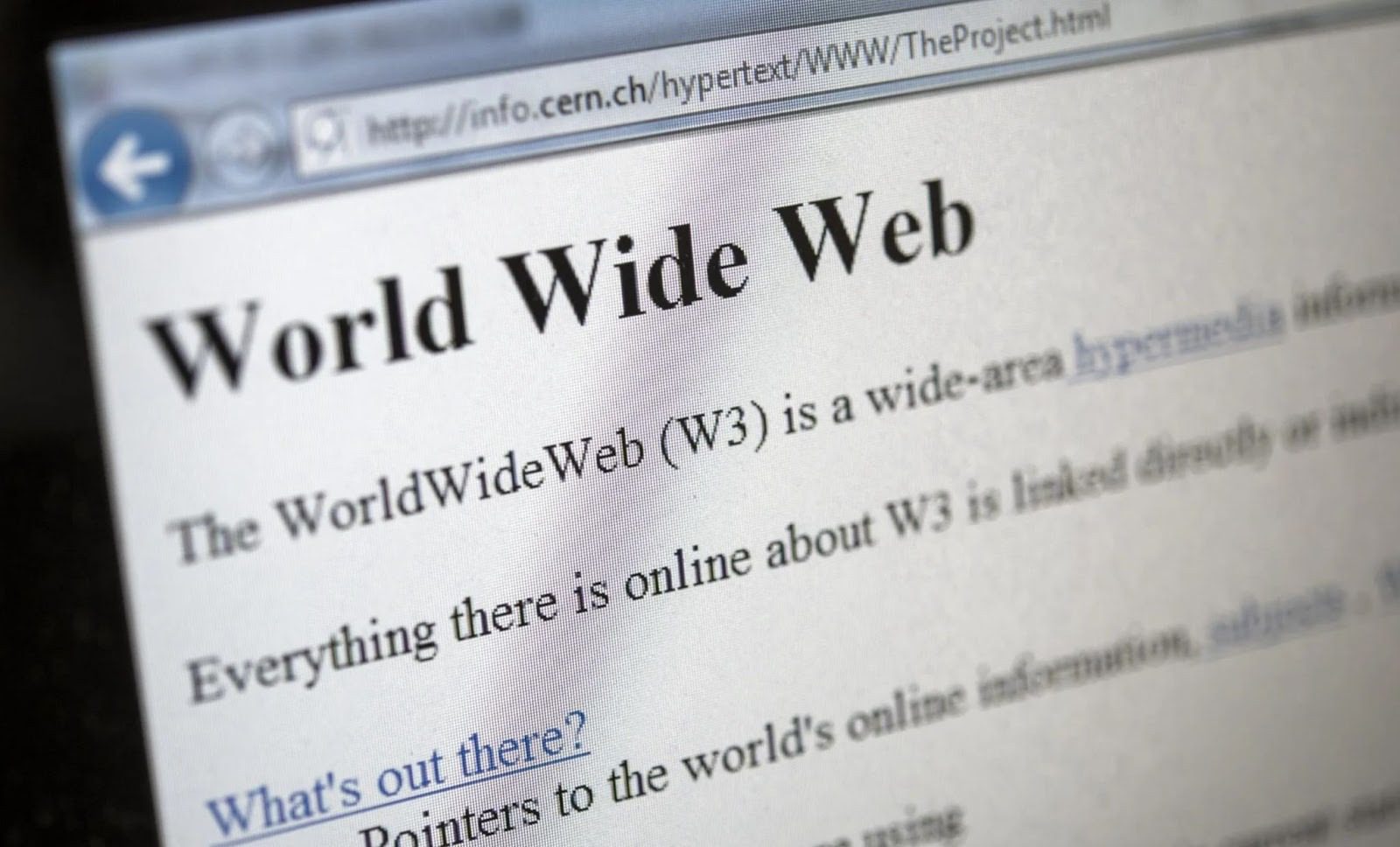
So, let’s start with how the global network appeared in Great Britain. The history of the Internet in England began not in homes or even in companies, but in laboratories and universities. Since the 1960s, the UK has been actively involved in research into packet data transmission, which is the fundamental principle on which the entire architecture of the Internet is based.
It is precisely these efforts, carried out in parallel and in cooperation with the United States, that are making the United Kingdom one of the main participants in the upcoming digital revolution.
The decisive moment came in 1973, when British researcher Peter Kirstein, who was living in London at the time, established the first direct connection between European and American networks. This event is considered to be the beginning of the United Kingdom’s entry into what gradually became the global Internet. It should be noted, however, that for almost two decades, access to the network remained strictly limited to academic and scientific circles.
When the more progressive 1980s replaced the 1970s, the JANET (Joint Academic Network) university network began to play a central role. It was created during those years, virtually connecting British universities. JANET enabled the exchange of e-mails, files and research data, and introduced a whole generation of researchers and engineers to the use of the network.
Therefore, when the World Wide Web began to spread around the world in the early 1990s, England already had a solid technical and, most importantly, human base for its dynamic implementation.
It should be noted that the real democratisation of the Internet began in the mid-1990s. It was then that the first commercial providers appeared in England. Since then, the network has gradually begun to leave university campuses, but has successfully penetrated first the offices of wealthy companies and later the private homes of the English. In doing so, it has managed to profoundly change professional, cultural and social narratives.
Birmingham Internet
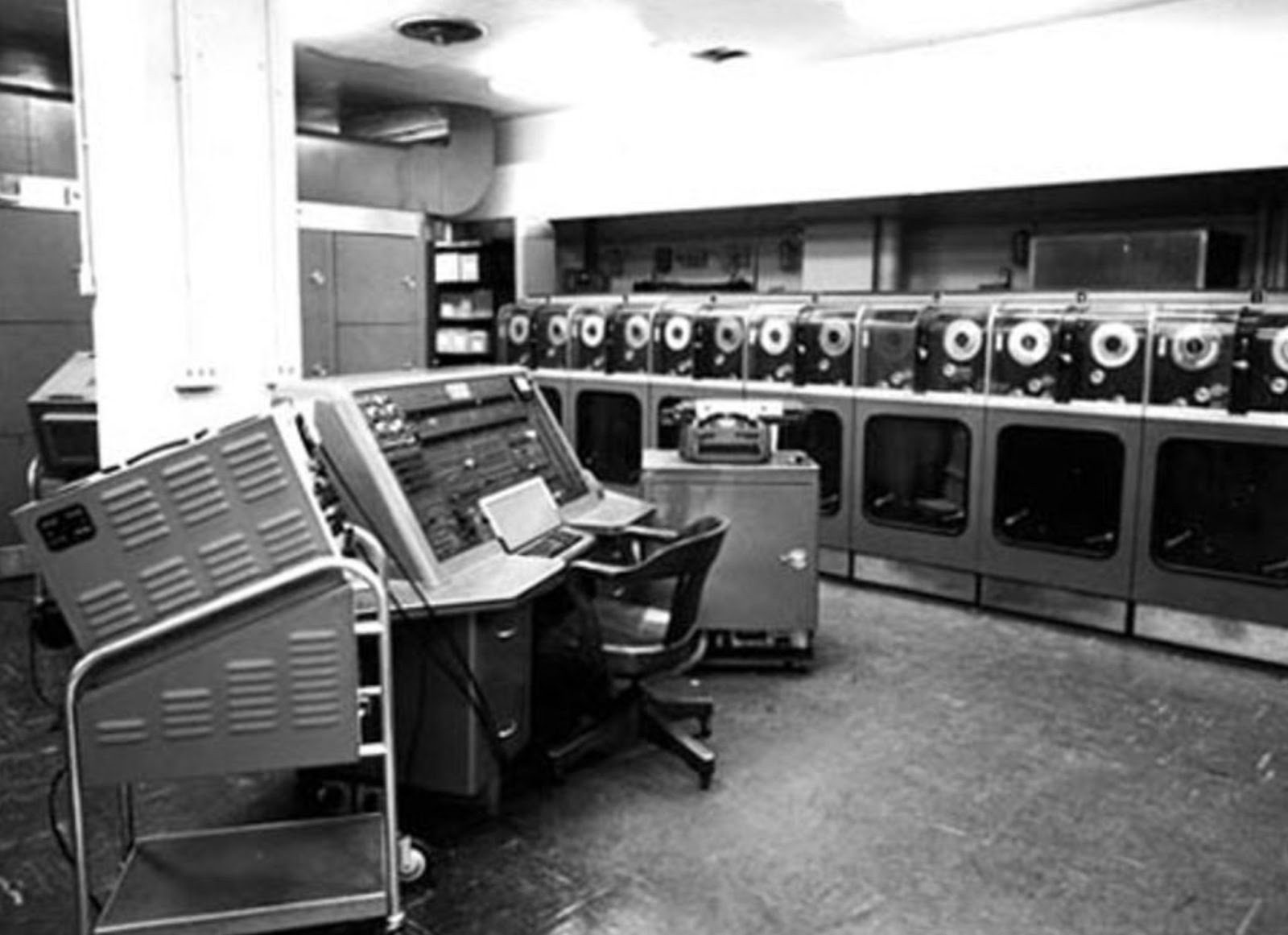
However, it is known that this magical transformation took place differently depending on the region within the United Kingdom. In other words, each English city developed the Internet in accordance with its economic structure, local priorities, and even its history.
Birmingham was no exception. A particularly telling example in this regard is the fact that, as a large industrial city that has long been considered the “workshop of the world,” Birmingham approaches the Internet not as a cultural or media phenomenon, but primarily as a functional tool. From the early stages of the network’s expansion, local universities, in particular the University of Birmingham, have played a key role, serving as entry points to national and international academic networks.
Unlike London, where the Internet is quickly associated with finance and services, or Cambridge, where the network has long been associated with fundamental research, Birmingham has developed a pragmatic approach to digital technology. First and foremost, in the 1990s, many of the city’s industrial and engineering companies began using the Internet to optimise their supply chains, exchange technical plans and improve communication with their partners. In other words, the global network is becoming an invisible but very important extension of the city’s manufacturing infrastructure.
City authorities were not far behind. At the dawn of the Internet, Birmingham City Council began actively promoting e-government projects. In the late 1990s, the local government actively experimented with online services, developed administrative portals and invested in public access to the Internet. This involved the introduction of a network for the population through libraries and community centres.
Education and public access
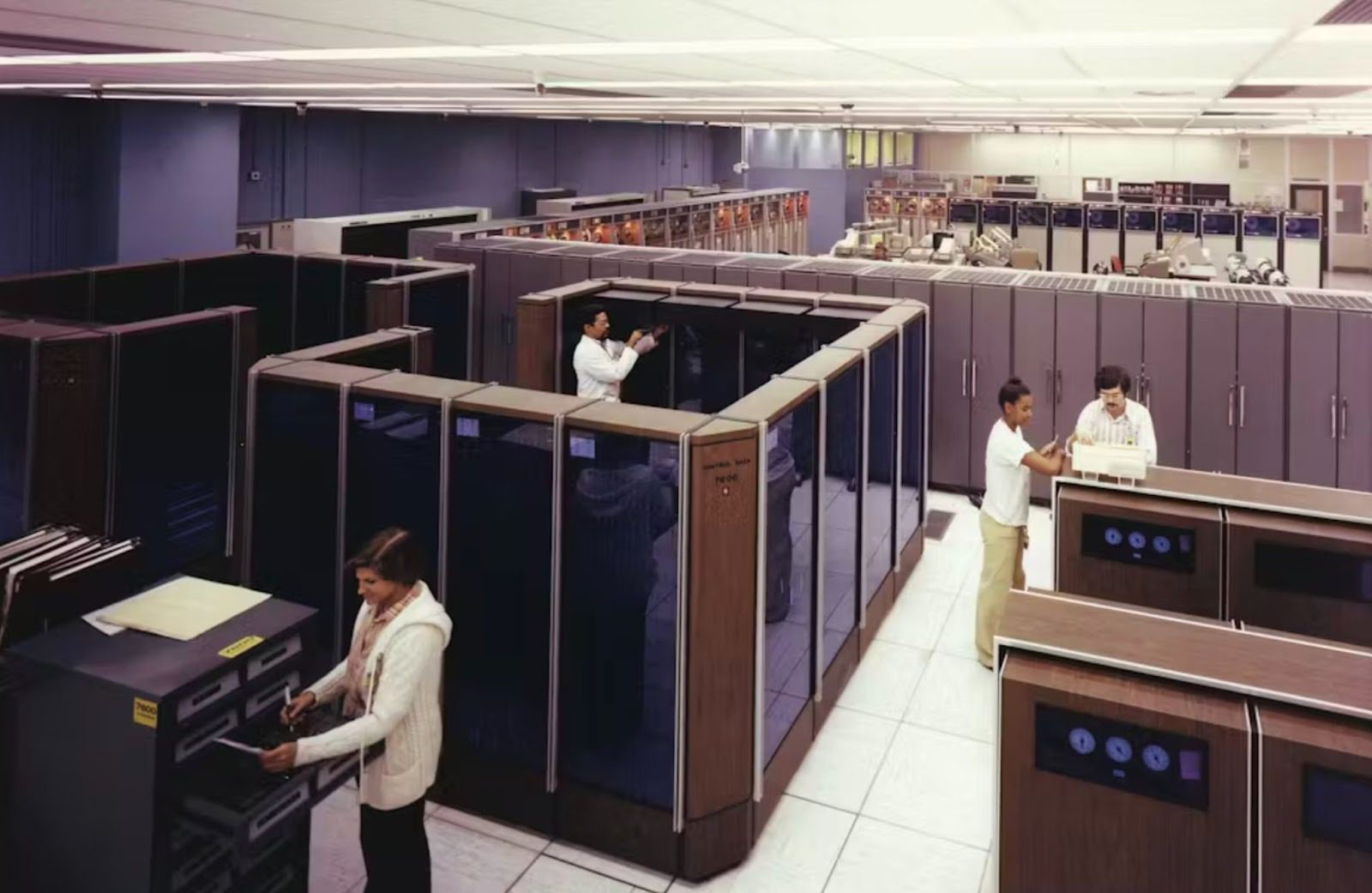
As a result, the city became one of the first in Britain where libraries began to connect to the public internet on a massive scale and launched digital inclusion programmes specifically for working-class neighbourhoods. For an industrial city, this was a way to keep up with progressive social trends.
That is, it should be noted here that, in addition to the introduction of network services for convenience and efficiency, as such, this policy had another quite important goal and main task. We are talking about preventing the increase of social inequality in the city, which was characterised by significant economic disparities, as a result of the digital transition.
It so happened that the issue of the digital divide appeared very early on in local discourse. The fact is that the Internet in Birmingham was initially not only a technological innovation, but also a social and urban problem. Initiatives aimed at educating residents, providing public access to the network, and integrating digital technologies into municipal services demonstrate an awareness of the risks of exclusion.
Unlike university cities, Birmingham began discussing the digital divide very early on. Back in the 1990s, only campuses and offices had access to the Internet, while poorer areas of the city had almost no access at all. This forced the city authorities to invest in public access points and develop computer classes in libraries and schools.
Conscious integration
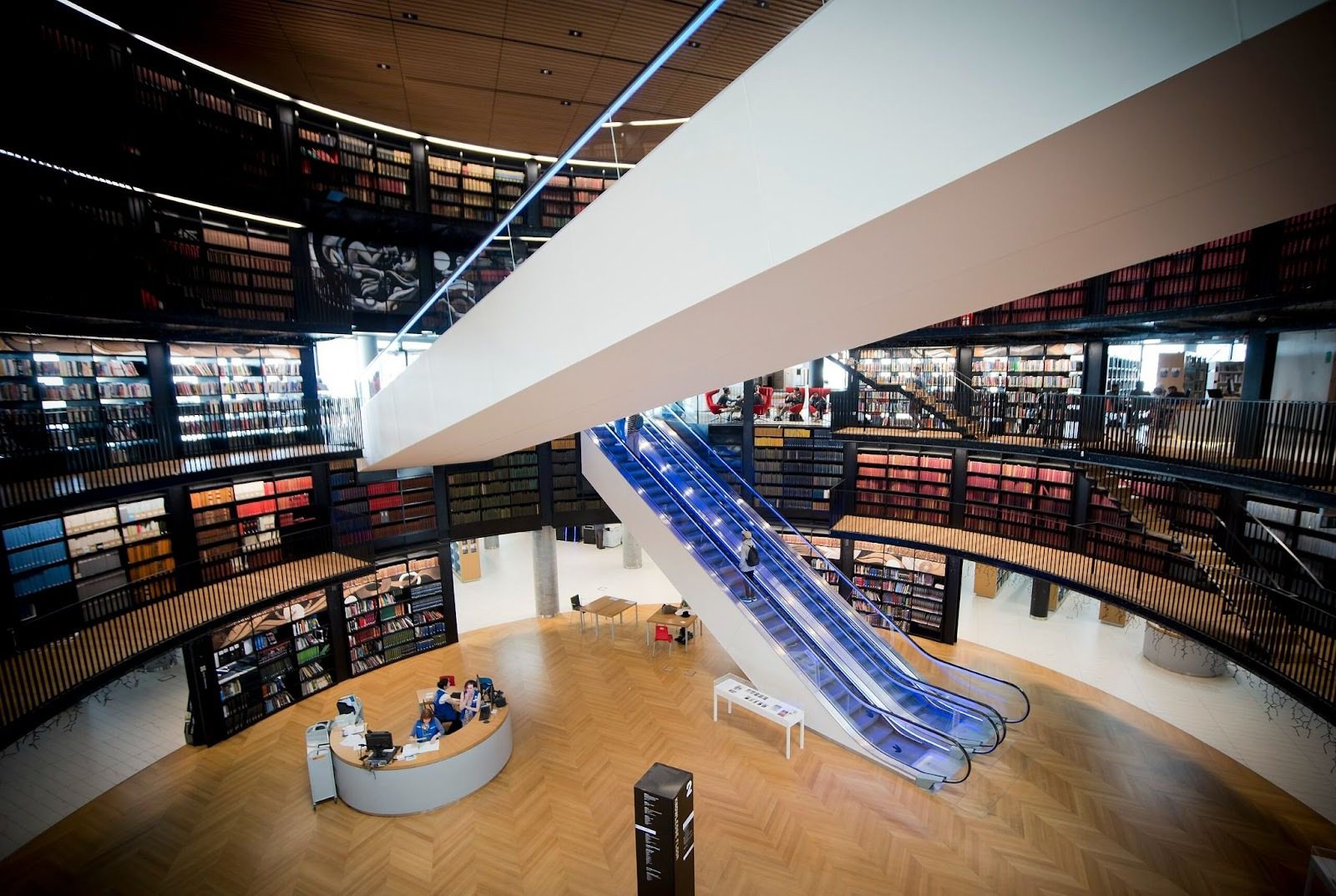
During the 2000s, Birmingham did not become the symbolic leader of dot-com culture, but it did strengthen its role as a regional digital infrastructure hub. The development of data centres, high-speed networks and, more recently, internet exchanges has strengthened the city’s position.
Unlike London or Manchester, Birmingham did not become a hub for internet start-ups. Instead, the city enthusiastically developed data centres, telecom infrastructure, and later regional internet exchanges. This did not make Birmingham an internet showcase, but it did not prevent the city from acquiring a technical internet backbone.
Ultimately, it can be said that the arrival of the Internet in Birmingham reflects the city’s deep-rooted identity. Far from the sensational stories of start-ups and cultural revolutions, its digital history is one of gradual, pragmatic and socially conscious integration. The Internet was not perceived here as a sudden breakthrough, but as a logical evolution that fits into the city’s long industrial and municipal tradition.
Sources:
- https://datacentrereview.com/2023/04/proximity-announces-birminghams-first-internet-exchange/
- https://www.computerworld.com/article/1687202/birmingham-city-centre-set-to-receive-free-wifi.html
- https://www.npr.org/2023/04/30/1172276538/world-wide-web-internet-anniversary
- https://www.grapevinebirmingham.com/how-a-couple-of-brummies-gave-birth-to-the-world-wide-web/