

They say wise people learn from other people’s mistakes. But when it comes to building a new bridge, a residential neighborhood, or a transport interchange, the cost of a miscalculation can run into millions of pounds. That is why engineers have long dreamed of a way to test their ideas before the first excavator even rolls onto the construction site. It seems this dream is gradually becoming a reality. Today, major cities are increasingly acquiring their own digital twins—virtual copies that allow them to model future changes without the slightest risk to real-world infrastructure.
With the help of these models, planners can calculate in advance how a new road will impact traffic congestion and whether power grids can handle the additional load. It is possible to see how air quality will change after launching public transit, or if a new residential complex will cause issues for residents of neighboring districts. To learn more about how this technology works, who is behind its creation, and whether it can truly make urban planning smarter, read the details at birmingham-future.com.
Birmingham is currently actively working on such a system. Here, the city’s digital twin is gradually transforming from an impressive computer model for presentations into a real tool that helps guide daily decisions on metropolitan development.
Birmingham’s Digital Twin: When a City is Built with Data, Not Concrete
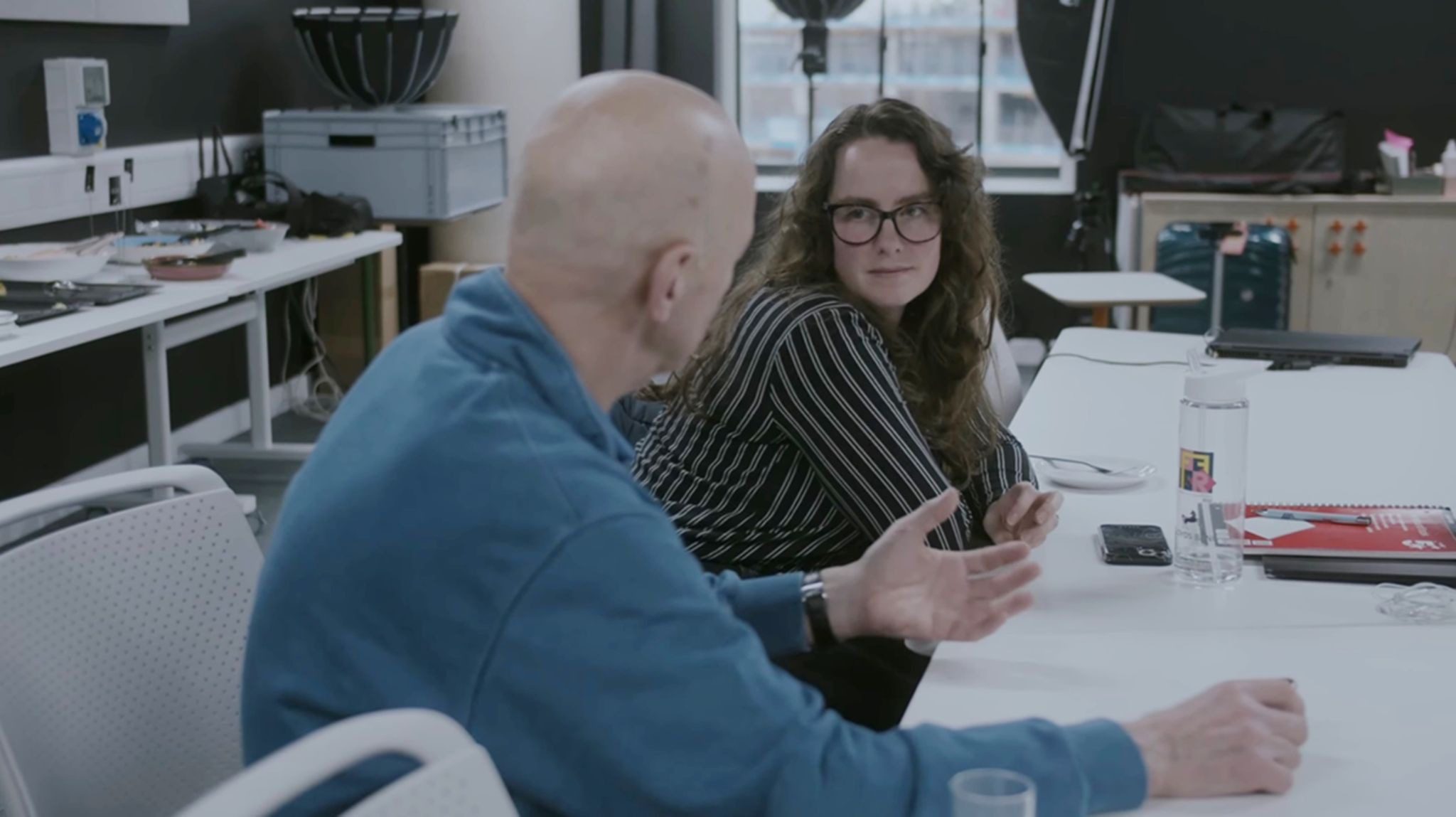
If the name DIATOMIC (Digital InnovAtion TransfOrMatIve Change) sounds like a new sci-fi series or a secret project by British intelligence services, that is a perfectly normal reaction. In reality, behind this complex acronym lies an exceptionally practical idea—teaching the city to understand itself better.
The project was launched with support from the Innovate UK national program under the regional West Midlands Innovation Accelerator initiative. Contributors to the project include Birmingham City Council, the University of Birmingham, Aston University, Birmingham City University, and the expert organization Connected Places Catapult. In short, everyone responsible for science, technology, and regional development was brought together into a single consortium. Together, they decided that planning the future on a computer screen is much cheaper than correcting expensive mistakes in real life.
The primary task of DIATOMIC is to create a digital platform that aggregates data on transport, energy, air quality, and urban development. This will allow researchers not just to record what is happening today, but also to calculate various development scenarios. For instance, how traffic flow will change after a new interchange is built, whether power grids will withstand another residential area, and what impact switching municipal buses to hydrogen will have.
In essence, DIATOMIC does what people have always tried to do mentally: first envision the consequences of their decisions, and only then pick up the tools. The only difference is that instead of intuition and guesswork, they now rely on massive datasets, precise mathematical models, and the city’s official digital twin.
East Birmingham’s Digital Twin: Building an Entire District on a Computer First
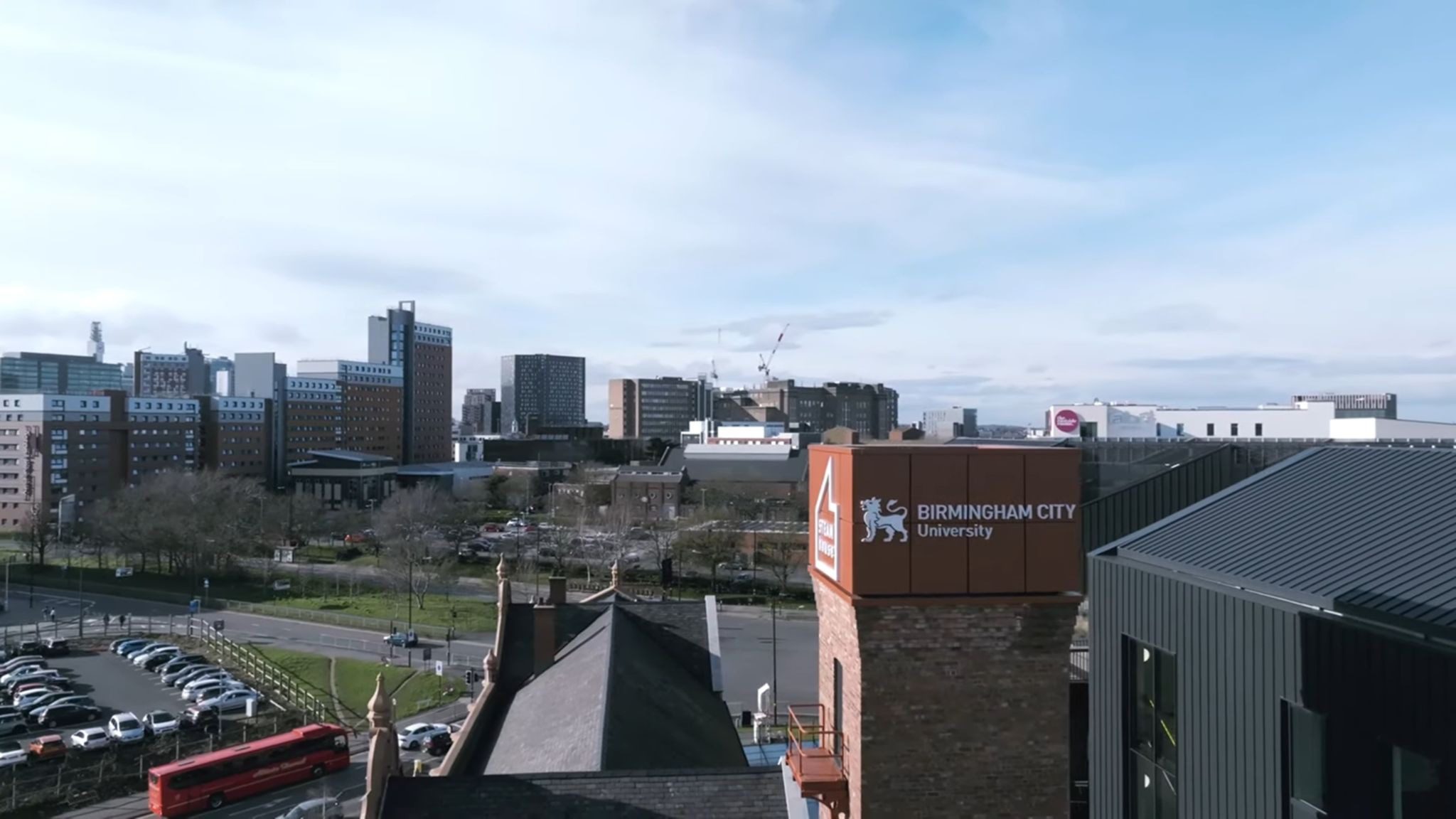
The level of seriousness with which Birmingham approaches virtual modeling is highlighted by an interesting fact. In addition to the large-scale DIATOMIC project, the city, alongside the University of Birmingham, Siemens, and several other partners, is working on a separate digital twin of East Birmingham. This is no longer just an experiment, but an attempt to create an incredibly precise copy of a living urban district.
At first glance, it might look like nothing more than an impressive 3D map. In reality, the digital twin is far more complex. Using laser scanning, aerial photography, and city datasets, experts replicate not only buildings and roads but also traffic flows, energy infrastructure, environmental conditions, and the architectural features of individual neighborhoods. This creates an interactive environment where a wide variety of development scenarios can be tested without any risk to physical infrastructure.
Developers are paying special attention to the industrial district of Tyseley, which is already a hub for environmental and energy innovation in Birmingham. Here, the digital twin helps evaluate how new transport routes, the expansion of the hydrogen network, or power line upgrades will affect the environment. In other words, complex decisions undergo a virtual crash test first, and only receive a green light for real-world implementation afterwards.
This approach saves significant money and minimizes the risk of engineering miscalculations. While planners recently had to rely primarily on paper calculations, they now have the unique opportunity to literally look into the future of their city.
How Digital Twins Help Save Millions
Let’s be honest: city planning mistakes are rarely cheap. If a new road interchange is poorly designed, it has to be rebuilt at the taxpayers’ expense. If a residential complex overloads a local substation, emergency upgrades to cable lines will cost astronomical sums. And when traffic congestion only gets worse after opening an expensive highway, explaining to residents that “it just happened” is usually too late.
With a digital model, the financial consequences of any decision can be seen while still “on paper.” Computer algorithms instantly calculate the costs of potential traffic jams, estimate travel delays for public transit, and flag whether a quiet residential street is in danger of becoming a noisy transit corridor.
Environmental mistakes also come with a price tag. The digital twin predicts how future construction will alter noise levels, how many extra megawatts of energy it will consume, and whether this will lead to fines for exceeding air emission limits. When the city invests in hydrogen or electric buses, the model pinpoints the best locations for refueling and charging stations, protecting the budget from inefficient infrastructure spending.
In essence, a digital twin acts as a dress rehearsal before a major premiere. Only instead of actors, this stage features bridges, neighborhoods, utility networks, and thousands of cars. If something goes off-script during this rehearsal, fixing the mistake costs the city just a few clicks, rather than tens of millions of pounds from the budget.
Will Birmingham’s Digital Twin Become the New Normal?
In its time, Birmingham has repeatedly proven that it is not afraid of bold experiments. This is where advanced manufacturing technologies were actively introduced during the Industrial Revolution, and where some of the country’s most complex transport hubs were built. Today, the city is increasingly embracing digital tools that until recently sounded like science fiction. Will the digital twin become a permanent, indispensable part of urban planning?
Only time will tell. However, one thing is already clear: while major cities used to build first and then spend years correcting costly mistakes in practice, architects are now trying to test their decisions in virtual space first. It is highly likely that this pragmatic approach will soon become the new gold standard for cities not only in the UK, but across the entire globe.